Dashboard GPS Units

Before your phone knew where you were going, a suction-cupped gadget on the windshield did. Punch in an address, obey the robotic voice, and brace for the deadpan "Recalculating…" every time you missed a turn. It ruled the dashboard for a decade — then evaporated into the phone.
The standalone car GPS emerged in the late 1990s as a category waiting to happen. Garmin launched the StreetPilot in 1998 as its first portable navigation system for cars, but it was the TomTom GO in March 2004 that crystallized the idea: the first all-in-one personal navigation device, credited with creating a whole new consumer-electronics category. TomTom — founded in Amsterdam back in 1991 — had been waiting for its moment, and by 2005 Garmin countered with the nüvi line of compact car navigators. Suddenly the things were everywhere.
For most of a decade the ritual was universal: lick the suction cup, mount the unit on the windshield, punch an address into the little touchscreen, and let the voice guide you through unfamiliar territory. That patient robotic voice became the soundtrack of road trips — and its deadpan "Recalculating…" after every missed turn became a running joke in a million cars. TomTom even sold celebrity voice packs, so Snoop Dogg or Darth Vader could boss you around your own commute. The devices killed the MapQuest era of printed directions riding shotgun; for the first time, the map argued back.
Then the phone ate it. In October 2009, Google shipped free turn-by-turn navigation with Android 2.0, and navigation stopped being a $300 gadget and became a built-in feature of the thing already in your pocket. Standalone GPS usage has declined ever since — the press would come to write about the "slow death" of the satnav — and the confident little windshield robot quietly joined the drawer of orphaned chargers. For one stretch of the 2000s, though, it was the smartest thing in the car.
Similar items

MapQuest
Before your phone knew where you were, you printed directions from MapQuest and prayed you didn't miss step 14. The pre-GPS road-trip ritual, in a stack of warm printer paper.
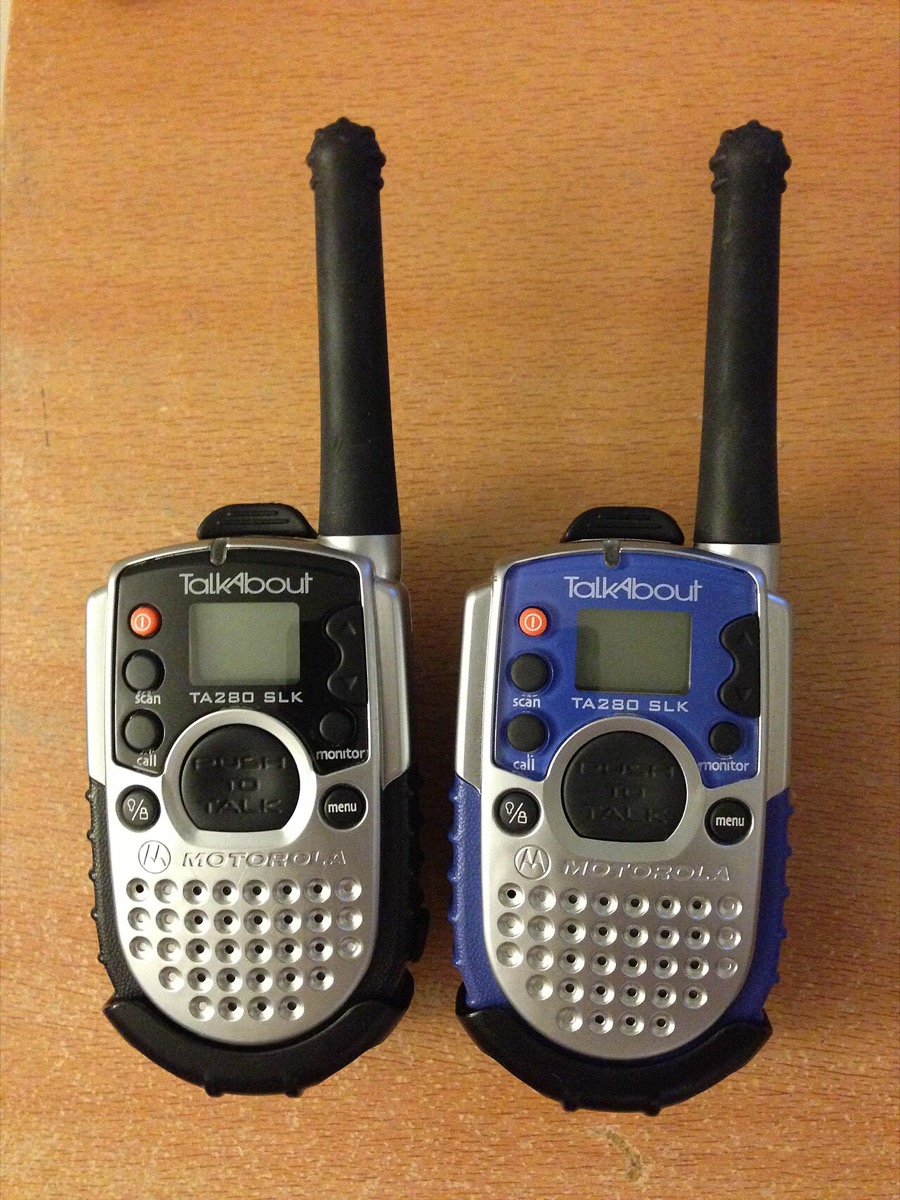
Motorola Talkabout
The chunky yellow walkie-talkies that kept families connected before everyone had a cellphone — two-car road-trip caravans, ski slopes, theme parks, and kids roaming the neighborhood with a two-mile leash. Over.
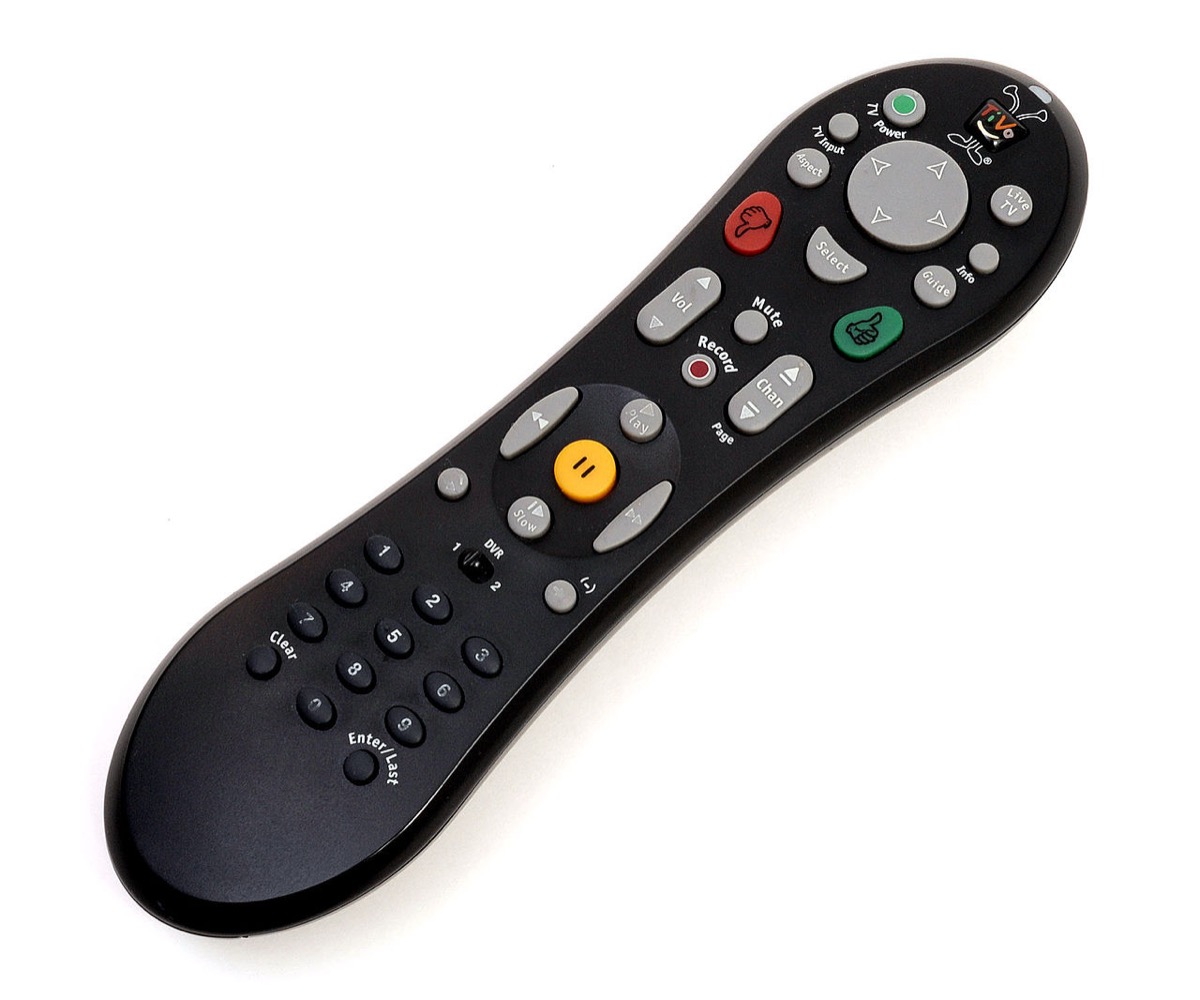
TiVo
The machine that finally bent television around your schedule instead of the other way around. Pause live TV, rewind the play you just missed, record a whole season by name — no tapes, no timers. "TiVo it" became a living-room verb.

3dfx Voodoo Graphics Cards
An add-in card that did one thing perfectly: accelerate 3D. It didn't touch 2D — you kept your old video card and daisy-chained the Voodoo between it and your monitor. Installing one was a portal moment: suddenly your home PC rendered smooth, filtered, high-resolution 3D. For about three years, the name "Voodoo" was PC gaming.