Cranium

The party game that let everyone shine — one box combining sculpting, sketching, humming, acting, trivia, and word puzzles so the artist, the know-it-all, and the ham all got a moment. Famously sold at the Starbucks counter before it ever hit a toy-store shelf.
Cranium was dreamed up in 1998 by Richard Tait and Whit Alexander, two former Microsoft executives. Tait's insight — after a vacation where different friends dominated different games — was to build one game where everyone could be good at something. The result split play into four color-coded activity types: Creative Cat (drawing and sculpting with clay), Data Head (trivia), Star Performer (charades, acting, and humming), and Word Worm (spelling and anagrams).
Its real innovation was how it was sold. Rather than fight for toy-store shelf space, the founders placed Cranium at the checkout of 1,500 Starbucks stores, then at Barnes & Noble and on Amazon — the first board game Starbucks or Amazon had ever sold, aimed squarely at adult Gen-X buyers. It worked: 100,000 copies in the first year, profitability within four months, and the Toy Industry Association's Game of the Year award in 2001.
A wave of spin-offs followed — Cadoo, Hullabaloo, Whoonu — and by the mid-2000s Cranium was a party-night fixture. The company had sold more than 22 million games, books, and toys worldwide when Hasbro acquired it in January 2008 for $77.5 million.
Similar items

Cranium Hullabaloo
The bossy talking cone that ran every playdate. Sixteen colored pads scattered across the living-room floor, a plastic console barking orders — bounce to a blue pad, spin, high-five, dance — then the sudden "freeze!" and the agonizing wait to hear which pad was the lucky one.
Guesstures
Milton Bradley's card-eating Mimer-Timer made charades brutal: load four cards, mime frantically, and the instant a teammate shouts the right answer, lunge to snatch the card before the machine swallows it. Swallowed cards score nothing.

Atmosfear
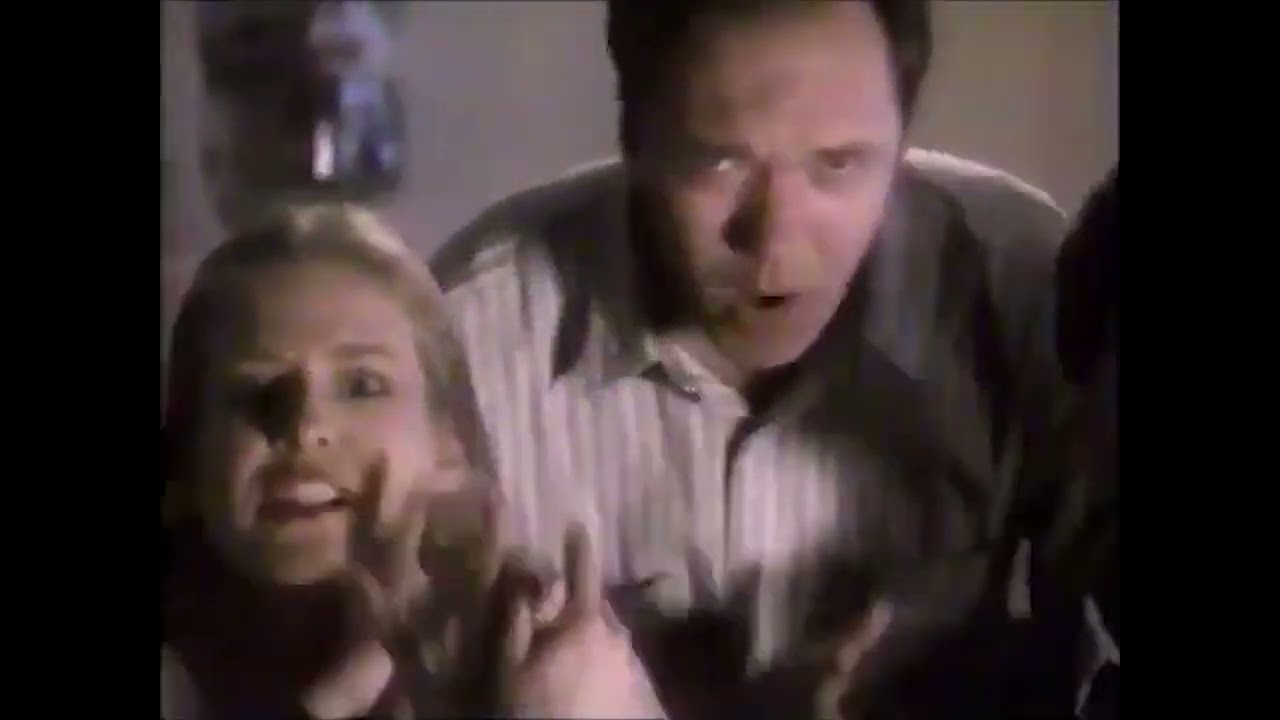
The VHS board game where the TV was the enemy. A ghoulish host called the Gatekeeper glared out of your screen, barking orders and taunts, while a 60-minute tape counted down and you scrambled to win before he did. You played in the dark, against your own television.

Loopin' Louie
A plastic pilot named Louie circles the table on a motorized boom, gunning for your chicken tokens while you smack a lever to bounce him away. Milton Bradley's 1992 game was deceptively simple and absolutely brutal — and it somehow became a party-culture phenomenon in Germany.