Atmosfear
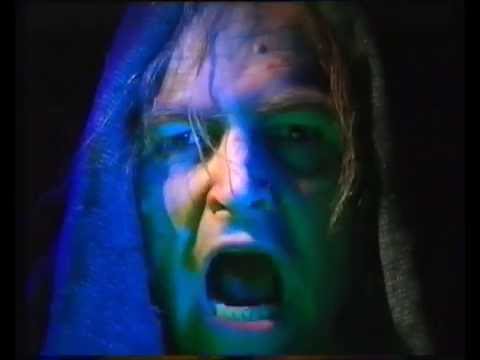
The VHS board game where the TV was the enemy. A ghoulish host called the Gatekeeper glared out of your screen, barking orders and taunts, while a 60-minute tape counted down and you scrambled to win before he did. You played in the dark, against your own television.
Atmosfear began life in Australia as Nightmare, released in September 1991 by Brett Clements and Phillip Tanner through their production company A Couple 'A Cowboys. Its gimmick was a genuine novelty: the game came with a VHS tape, and the tape was the game master. Press play and the Gatekeeper — a pale, sneering ghoul — appeared on screen to run the session in real time, ordering players around, demanding answers, and lording a strict time limit over the table.
The rules were built around that ticking tape. You had up to 60 minutes to complete your quest and escape; if the clock ran out, the Gatekeeper won and everyone lost. Because the host couldn't actually see the board, players had to keep up with his barked commands themselves — pausing, obeying, and sweating through his interruptions in a darkened room. It supported three to six players and turned an ordinary board game into something closer to an interactive horror movie you were trapped inside.
In Europe the game was renamed Atmosfear, because the name Nightmare was already taken, and that title eventually became the name for the whole franchise. It was a genuine hit: two million copies had sold by Christmas 1993, and a string of VHS sequels followed through the mid-'90s, each fronted by a different ghoulish host. The concept was revived for the DVD era with new editions in 2004 and 2006, and a 30th-anniversary edition arrived in 2021 — but the core memory is always the same: the room lights off, the tape rolling, and that face on the TV telling you you're going to lose.
Similar items

Goosebumps
R.L. Stine's mass-produced horror series for kids, where every book's drippy cover could stop your heart in the school library. Goosebumps sold roughly 4 million copies a month at its mid-90s peak and by 1996 accounted for nearly 15% of Scholastic's entire revenue.

Dream Phone
The pink electronic board game where you called cute boys on a plastic phone to figure out which one had a crush on you. A deduction game wrapped in early-'90s sleepover fantasy, complete with a chunky toy telephone and recorded voices.

Cranium
The party game that let everyone shine — one box combining sculpting, sketching, humming, acting, trivia, and word puzzles so the artist, the know-it-all, and the ham all got a moment. Famously sold at the Starbucks counter before it ever hit a toy-store shelf.
Guesstures
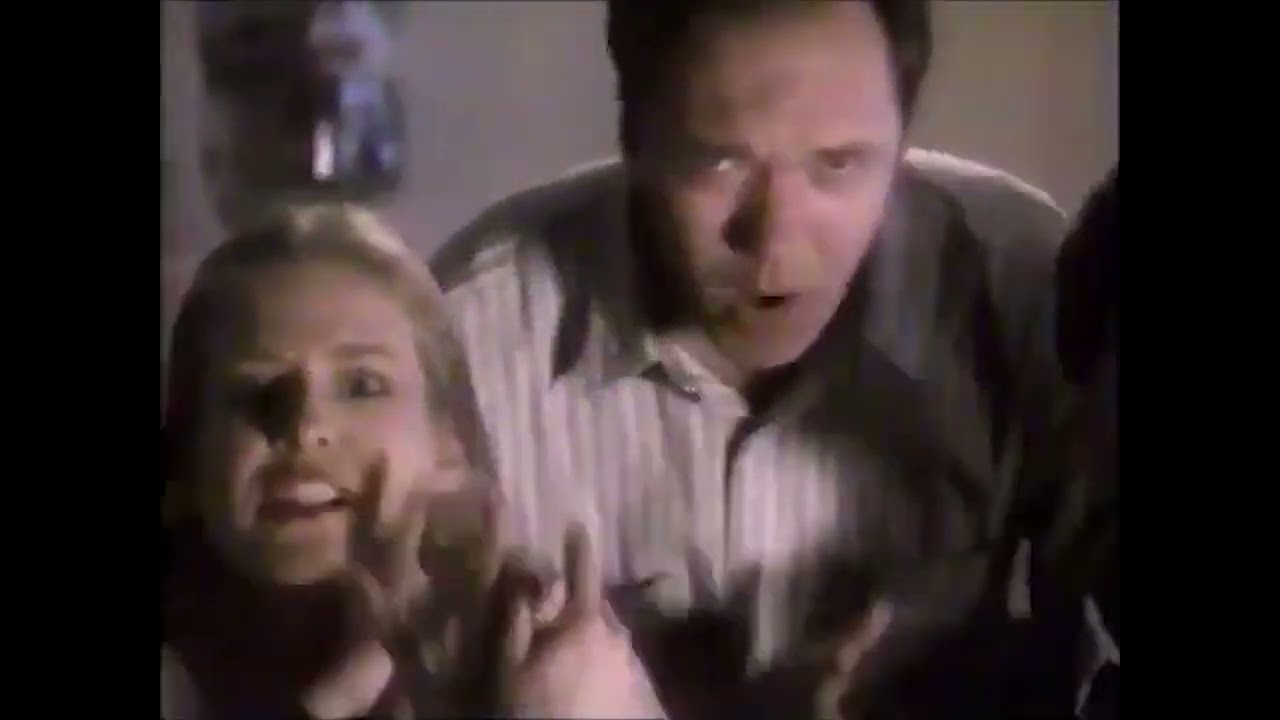
Milton Bradley's card-eating Mimer-Timer made charades brutal: load four cards, mime frantically, and the instant a teammate shouts the right answer, lunge to snatch the card before the machine swallows it. Swallowed cards score nothing.