Brain Quest

The fat fanned deck of question-and-answer cards, graded by school grade, that quizzed you on math, science, English, and history. The gifted-kid flex, the backseat road-trip time-killer, and the thing a teacher pulled out to make learning feel like a game.
Brain Quest was published by Workman Publishing in 1992, its American cards written by Chris Welles Feder and Susan Bishay, adapted from a French property — the question-and-answer decks known in France as Les Incollables, from the publisher Play Bac. The American version turned curriculum review into a portable card game: thick decks of question cards sorted by grade level, so a second grader and a seventh grader each got questions pitched to what they were actually learning in school.
The format was its genius. One person held the deck and fired off questions across science, math, English, geography, and history; you answered, then flipped to check. Because the cards were leveled by grade, kids treated a higher deck as a bragging right, and the whole thing worked equally well as a classroom warm-up, a family car-trip distraction, or a rainy-afternoon quiz session. It felt like a game while quietly being a study aid.
It was an immediate phenomenon, selling 4.2 million copies in its first 16 months and landing on The New York Times children's bestseller list — rare air for a stack of flash cards. Brain Quest grew into a whole brand of workbooks and games and is still sold today, but the original memory is the physical object: that dense fan of cards spread out in your hands, and the small thrill of answering one right before the person holding the deck could tell you the answer.
Similar items
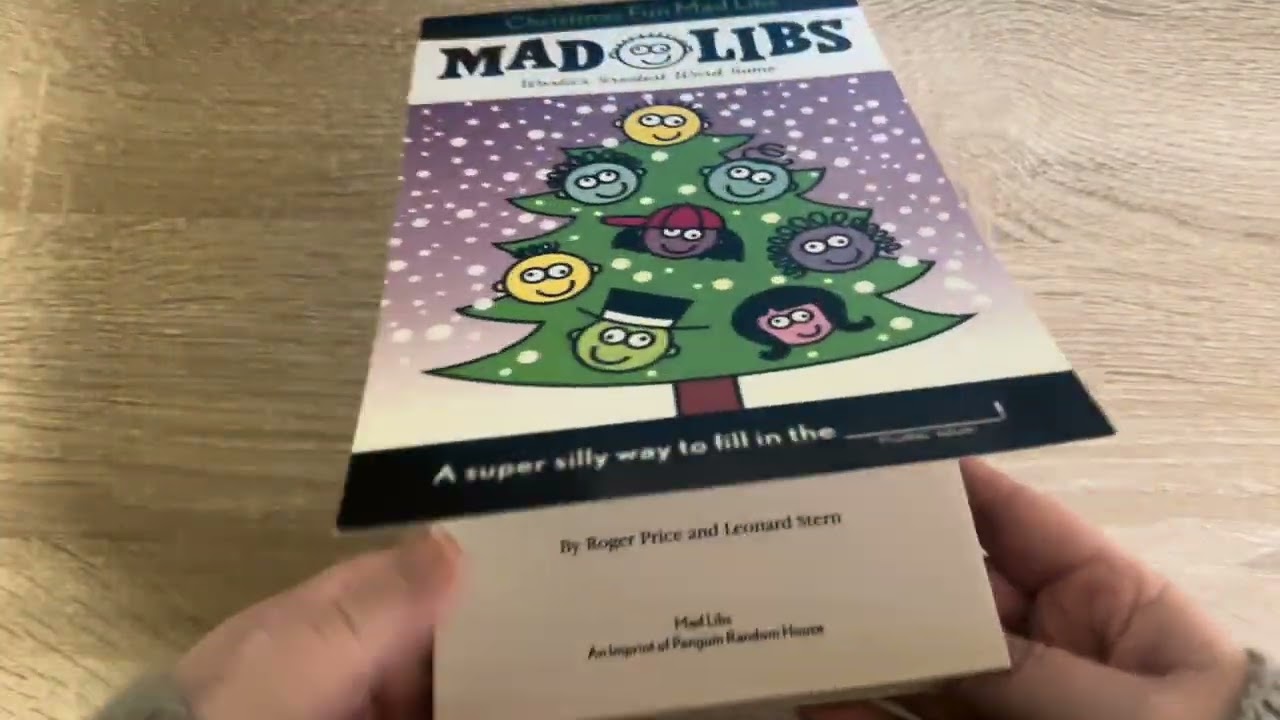
Mad Libs
The fill-in-the-blank word game in book form: someone asks for "a noun… a plural noun… an adjective," you shout out words with no idea of the story, and then they read back something gloriously absurd. A road-trip, sleepover, and rainy-day-classroom staple for generations.

Scholastic Book Fairs
The ritual: your school gym transforms overnight into a pop-up bookstore of rolling display cases, and you wander the aisles with a wish list and a budget. Scholastic Book Fairs dominated the 90s market, though what kids actually bought — glittery gel pens, novelty pencils, poster books — often had nothing to do with the Goosebumps stacks they wandered past.

The Oregon Trail
The computer-lab game that taught westward expansion through dysentery and desperation. Every 90s kid named their wagon party after friends, overhunted buffalo, gambled on river crossings, and died of unexpected causes while technically learning American history.

Apples to Apples
The party card game that turned judgment calls into comedy—a deceptively simple game about matching nouns to adjectives, where the humor lives entirely in the judge's increasingly baffled decisions. Published in 1999 and an instant hit, Apples to Apples became the default game of 2000s classrooms, youth groups, and family gatherings, the one clean party game everybody's parents would allow. The golden rule taught a generation: the judge is always right, no matter how absurd.