"Closing Time"
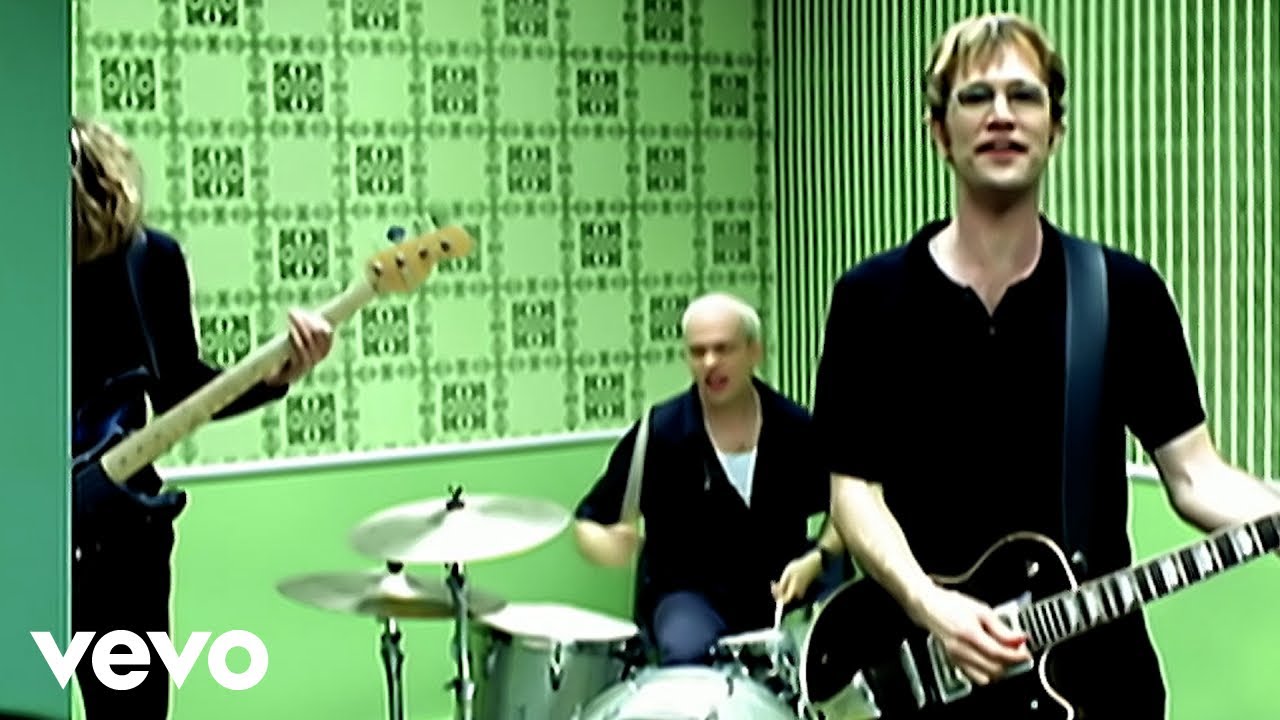
Dan Wilson wrote "Closing Time" so Semisonic would have something new to end their shows with, and realized partway through that it was also about the baby his girlfriend was carrying. It topped the modern rock chart in 1998, earned a Grammy nomination, and became the song radio stations play right before they change formats.
Semisonic came out of Minneapolis in 1993, when Dan Wilson and John Munson, late of Trip Shakespeare, teamed up with drummer Jacob Slichter under the name Pleasure. Renamed by 1995, they signed to Elektra to make their first album, were dropped when the label's president quit mid-recording, and finished Great Divide for MCA in 1996.
The band had been ending every concert with "If I Run" and were sick of it, so Wilson set out to write a new set-closer. His girlfriend, Diane Espaldon, was pregnant at the time. "Part way into the writing of the song," he has said, "I realized it was also about being born" — Slichter describes it as being sent out of the womb "as if by a bouncer clearing out a bar." Produced by Nick Launay, it was released on February 23, 1998, as the lead single from Feeling Strangely Fine and hit mainstream radio that April.
It went to number one on Billboard's Modern Rock chart, reached number 11 on the airplay chart, and was nominated for Best Rock Song at the 1999 Grammys. Chris Applebaum's split-screen video has the band playing on the right while a woman closes up a café on the left; the two head for the same club, miss each other by seconds, and Wilson ends the clip with a shrug. Billboard called it an "instantly memorable rock ditty." Slichter has been blunt about how it got so big, saying in 2006 that it cost "something close to $700,000 to $800,000 to get 'Closing Time' on the air."
"Secret Smile" made the band British radio favorites in 1999, All About Chemistry followed in 2001, and then Semisonic went quiet for nineteen years before a 2020 EP and the 2023 album Little Bit of Sun. The song itself never closed. Alternative stations play it as their last record before flipping formats — Dallas's KDGE looped it for a day in November 2016 — and it re-entered the charts in 2011 after turning up in Friends with Benefits and The Office.
Similar items

Third Eye Blind
Stephan Jenkins' San Francisco hit machine: one self-titled 1997 debut that just would not stop producing singles — "Semi-Charmed Life," "Jumper," "How's It Going to Be," "Graduate" — all sunshine on the surface and something much darker underneath.

Goo Goo Dolls
Buffalo bar-band punks turned the kings of the late-90s radio ballad: Johnny Rzeznik and Robby Takac spent a decade in the van before "Name" and then "Iris" made them one of the biggest acts in America — and "Iris" sat on top of the airplay chart so long it set a record that stood for over two decades.
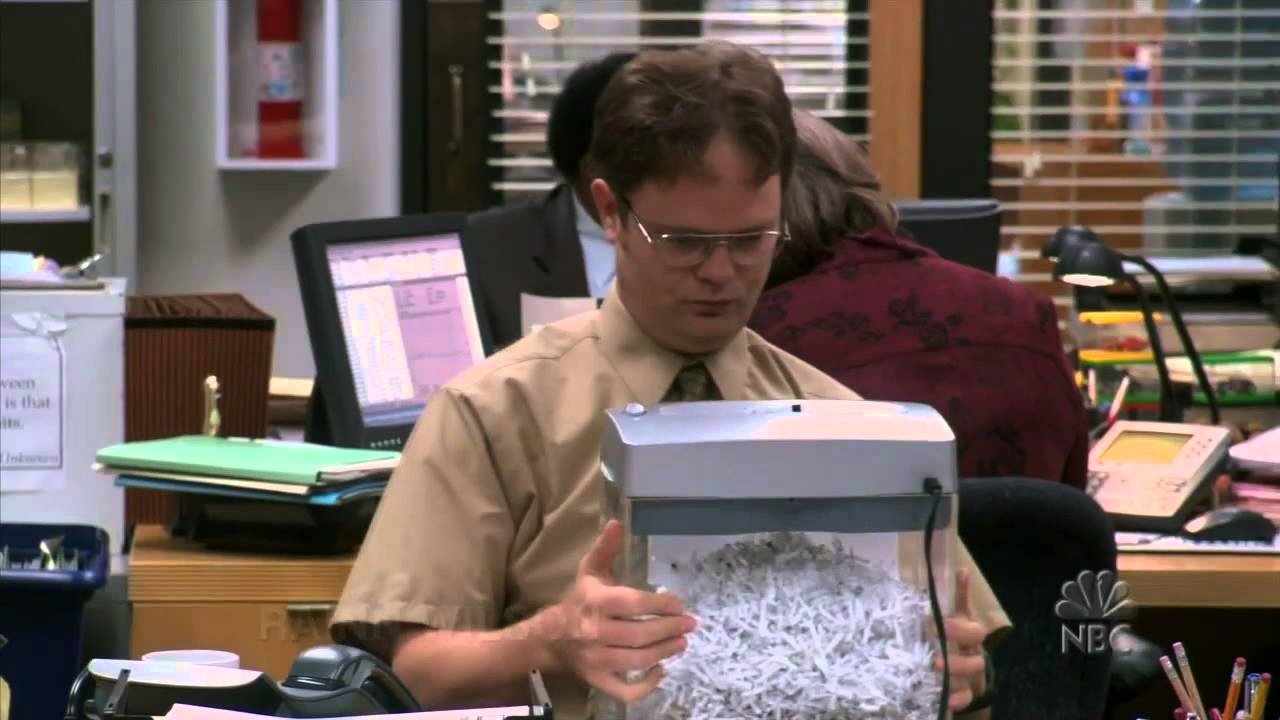
The Office (US)
NBC's mockumentary sitcom that redefined the office comedy for a generation. Premiering March 24, 2005, The Office followed the bumbling, endearing Michael Scott (Steve Carell) and the Dunder Mifflin paper company through deadpan interviews and cringey humor that somehow made you love him anyway.

"Blurry"
Wes Scantlin, alone in a Hollywood Boulevard hotel room and missing his son, reworked an old Kansas City song into "Blurry." Fred Durst's label had signed him and replaced his entire band; the result was 2002's biggest rock song in America, number five on the Hot 100, with a video of Wes watching his boy get driven away.