The Classroom Recorder

The squeaky plastic soprano recorder — cheap, indestructible, handed to every third-grader in America. 'Hot Cross Buns' lives in your muscle memory whether you want it there or not, and if you came up in the 2000s, there's a good chance yours had karate belts tied to it.
The recorder is a genuinely old instrument that got a second life as a teaching tool. Its twentieth-century revival began with instrument-maker Arnold Dolmetsch, who championed it for teaching music in schools, and the German composer Carl Orff, whose influential Schulwerk approach to children's music education was built around simple instruments a child could learn quickly — the two are largely responsible for the recorder landing in so many classrooms.
Plastic sealed the deal. With injection molding booming in the 1940s and '50s, companies began mass-producing recorders and selling them to school districts in bulk for as little as a dollar apiece, and by the early 1960s the little soprano model had taken over American elementary music rooms. It was the perfect institutional instrument: nearly unbreakable, cheap enough to send home, and playable enough that an entire class could squeak through a song by winter concert season — even if 'playable' also meant thirty slightly different pitches at once.
The 2000s gave the ritual its killer app. In 2002, elementary music teacher Barb Philipak published Recorder Karate through Plank Road Publishing: nine colored 'belts' — strings tied to the recorder — earned one tune at a time, from the white belt for 'Hot Cross Buns' all the way to the black belt for 'Ode to Joy.' Suddenly the recorder unit had a progression system worth grinding, and a generation of kids carried belt-fringed recorders home like trophies.
Recorders are still in classrooms, though teachers report that pandemic-era restrictions on wind instruments and the rise of the classroom ukulele have dented the old monopoly. The squeak, however, is permanent — ask any adult to name the first song they ever played, and odds are it's three notes long.
Similar items
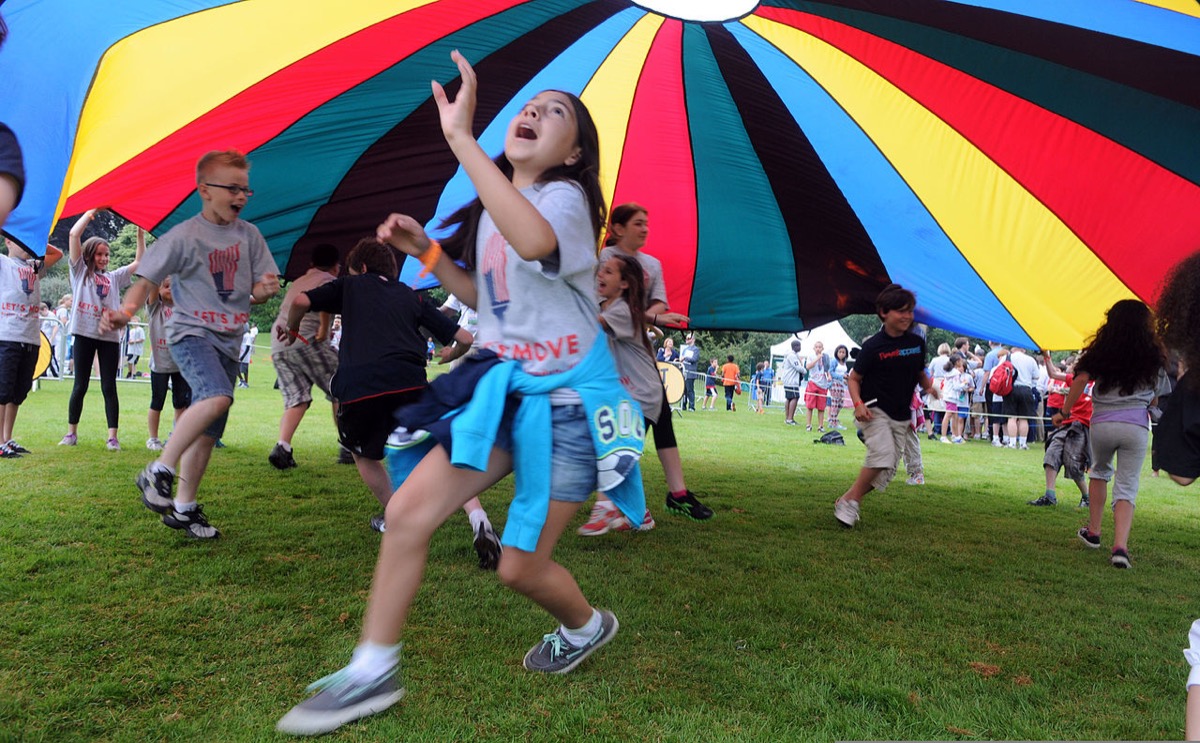
The Gym-Class Parachute
The rainbow circle of nylon that turned an ordinary PE period into the best day of the school year. Popcorn, cat-and-mouse, and the sacred finale — everyone yanks the chute down behind them and sits inside the glowing dome until it deflates.
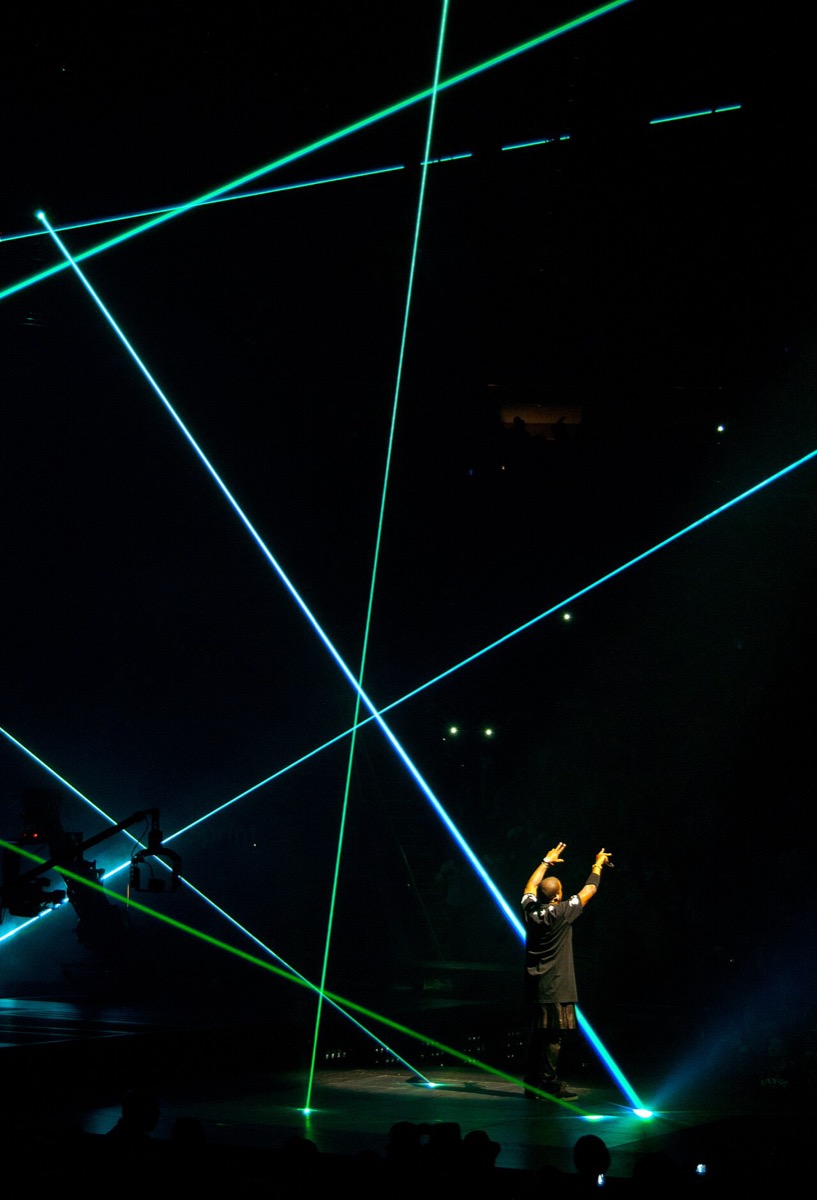
Picture-Day Laser Backdrop
For a few extra dollars on picture day, your school portrait could look like you were being teleported through a neon grid. The criss-crossing teal-and-pink 'laser' backdrop turned late-'80s and '90s class photos into sci-fi album covers — begged for by kids, paid for by sighing parents, treasured forever.

Scholastic Book Fairs
The ritual: your school gym transforms overnight into a pop-up bookstore of rolling display cases, and you wander the aisles with a wish list and a budget. Scholastic Book Fairs dominated the 90s market, though what kids actually bought — glittery gel pens, novelty pencils, poster books — often had nothing to do with the Goosebumps stacks they wandered past.
![Video thumbnail — BIC Wite Out Brand EZ Correct Correction Tape Review - How Effective Is It? [2025]](https://i.ytimg.com/vi/INkGHfRlygU/maxresdefault.jpg)
Correction Tape
Click it, drag it, write over it instantly — correction tape solved the eternal problem of waiting for liquid white-out to dry. It became the default fix in 90s classrooms, the superior move of anyone who had tried both.