Candystand
Life Savers' secret weapon for brand loyalty: genuinely good Flash games, free for anyone, with the advertising hiding inside the games themselves. The mini golf alone kept a generation of school computer labs quietly clicking.
9 items
Life Savers' secret weapon for brand loyalty: genuinely good Flash games, free for anyone, with the advertising hiding inside the games themselves. The mini golf alone kept a generation of school computer labs quietly clicking.

The early-2000s comedy and media dump every kid browsed instead of doing homework. Flash cartoons, prank-call soundboards, funny clips, and simple games — all stamped with the site's inescapable watermark, which became the running joke and the scandal at once.

A corner of the web where anyone could upload a game, the community voted, and you could lose hours flicking through hand-coded animations and wildly unpolished experiments. Flash game sites were the internet's scrappy basement arcade.
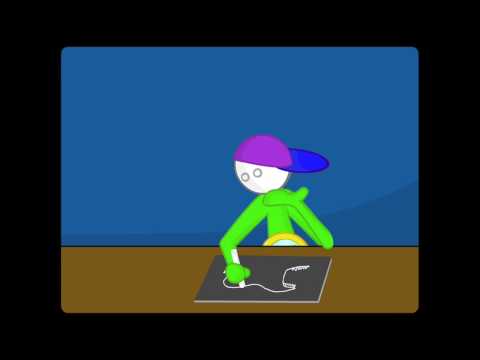
The Flash cartoon empire that ran on merch and goodwill — no ads, ever. The Chapman brothers' site built its voice through Strong Bad's absurd email replies, one of which spawned Trogdor the Burninator, a scribbled one-armed dragon that became internet legend.

The browser-games portal you loaded the second the teacher turned around — a wall of free Flash games for every spare ten minutes, from stick-figure violence to pool. If one game got blocked at school, Miniclip was where you found ten more.

The birthplace of internet culture's raw, unfiltered edge — where amateurs published bold Flash creations with no gatekeeper between them and millions of eyes. A tank logo, the dreaded "blam" vote, and the night-before anxiety: did your submission survive judgment?
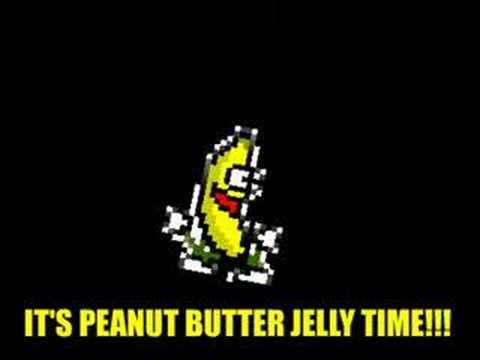
A pixelated banana, dancing. A frantic novelty song, repeating. Together they conquered the early-2000s internet through sheer absurdity, until someone in every room could yell "IT'S PEANUT BUTTER JELLY TIME!" and everyone else would groan on cue.

One hundred ten questions, zero logic, and a computer lab full of kids shouting contradictory advice at the screen. The Impossible Quiz debuted on February 20, 2007, as a Flash game that turned a single-player experience into a collective fever dream.

Welcome to Zombo.com. You can do anything at Zombo.com. Anything at all. The only limit is yourself. And then... nothing — the internet's greatest anti-website: pulsing dots, a silky voice making infinite promises, and a quarter-century of delivering absolutely none of them.