Beyoncé
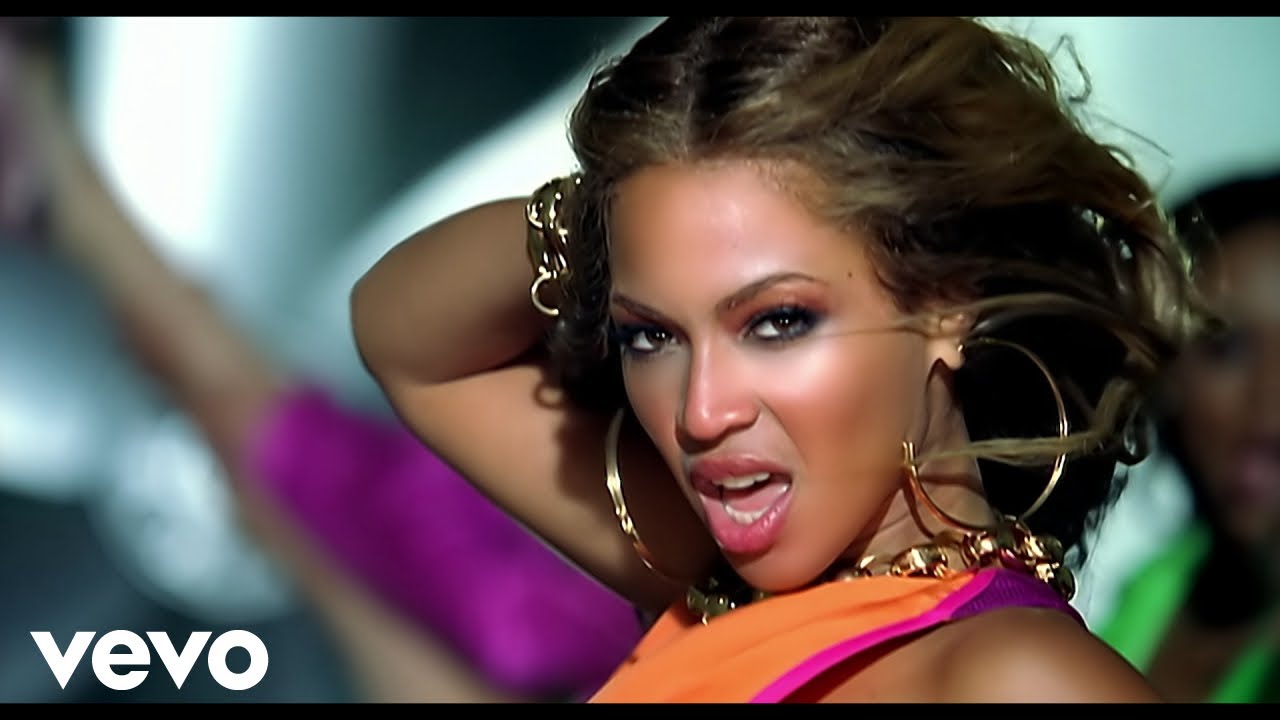
The girl-group superstar who bet on herself and became simply the biggest star in music. From "Crazy in Love" in the summer of 2003 to "Single Ladies" closing out 2008, Beyoncé's solo run WAS the sound of the decade.
When Destiny's Child announced a hiatus in 2001 so its members could try solo projects, nobody doubted Beyoncé would land — but the scale still startled. Dangerously in Love, released June 24, 2003, opened with "Crazy in Love" featuring Jay-Z, her first solo #1, which sat on top of the Billboard Hot 100 for eight consecutive weeks and owned that entire summer. At the 2004 Grammys she took home five awards in a single night.
Destiny's Child regrouped for one last album and announced during the 2005 farewell tour that the group was ending — a graceful handoff to what was obviously coming. B'Day, released September 4, 2006, kept the streak alive: "Irreplaceable" spent ten consecutive weeks at #1 and made "to the left" a universal kiss-off, while "Check on It" hit too. The same year she led the film adaptation of Dreamgirls.
Then 2008 sealed the era: she married Jay-Z in a small private ceremony on April 4, and that November released I Am... Sasha Fierce, whose "Single Ladies (Put a Ring on It)" became her fifth solo #1 and the most imitated dance video of the decade — a black-and-white clip the whole internet learned by heart. By the end of the 2000s the question wasn't whether Beyoncé had escaped her group's shadow; it was whether anyone else in pop cast one at all.
Similar items
Destiny's Child
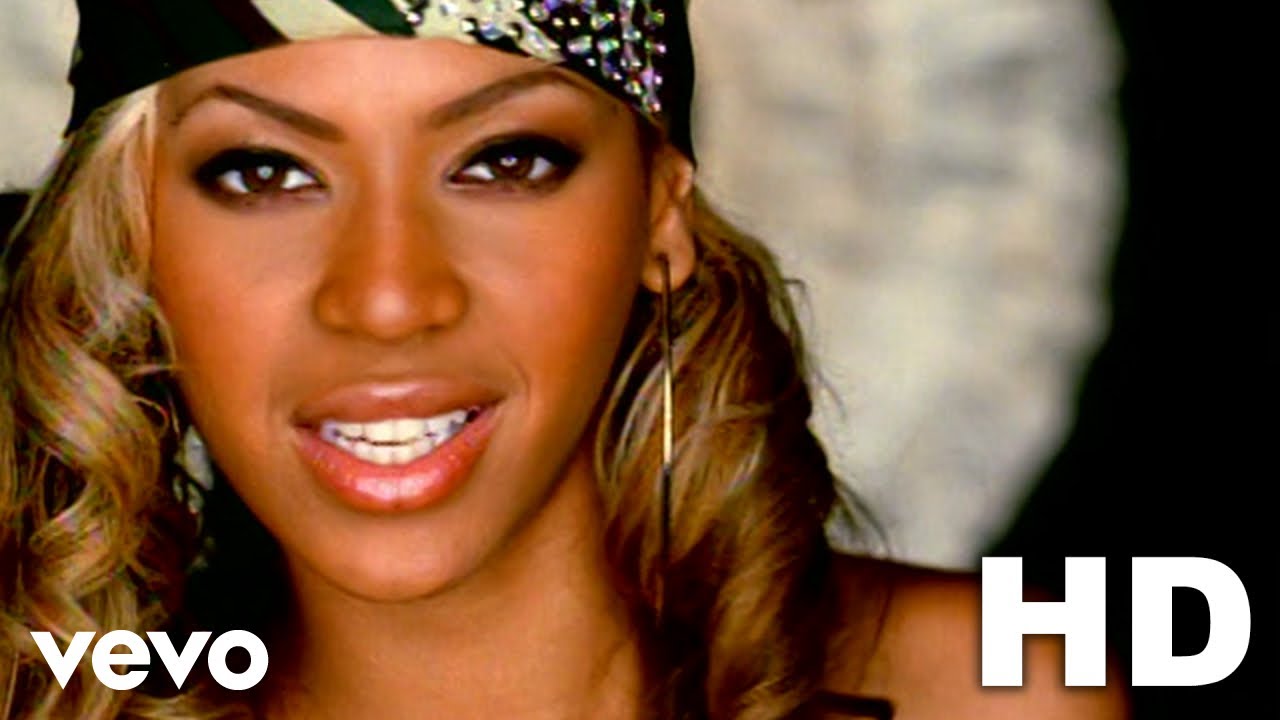
One of the best-selling girl groups of all time and the defining R&B girl group of the late 1990s and early 2000s, famous for the powerhouse lineup of Beyoncé Knowles, Kelly Rowland, and Michelle Williams. With hits like 'Say My Name,' 'Bills, Bills, Bills,' 'Independent Women,' 'Survivor,' and 'Bootylicious,' they defined an era of confident, sexually liberated pop music while launching Beyoncé toward her eventual superstardom.

Jay-Z
Shawn Corey Carter rose from Marcy Projects hustler to rap's defining CEO, making the 2000s the decade when hip-hop conquered the boardroom. His Imperial period—from Hard Knock Life through The Black Album and beyond—turned street rap into stadium singalongs and Grammy gold. Jay-Z didn't just make hits; he made an industry, proving rappers could own their own records and empires. The 2000s belonged to him.
98 Degrees
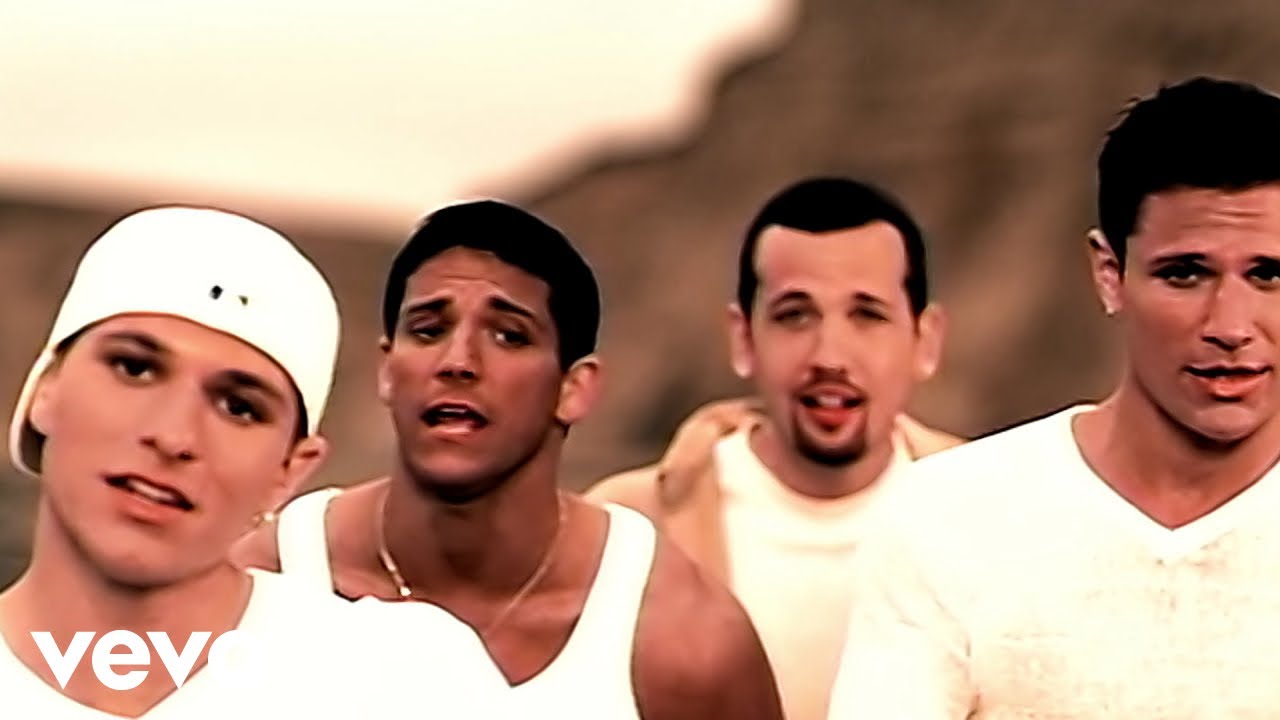
The boy band that built itself—assembled independently by four guys chasing the dream in Los Angeles, without a Lou Pearlman or corporate svengali telling them who to be. They cracked the charts with 1997's "Invisible Man," then spent 1998–2000 as Motown Records' R&B-leaning answer to the Backstreet Boys and NSYNC, delivering a handful of genuine hits including one number-one collaboration with Mariah Carey, then watched their moment fade when Nick Lachey married Jessica Simpson in 2002 and reality TV captured his afterlife.
Christina Aguilera
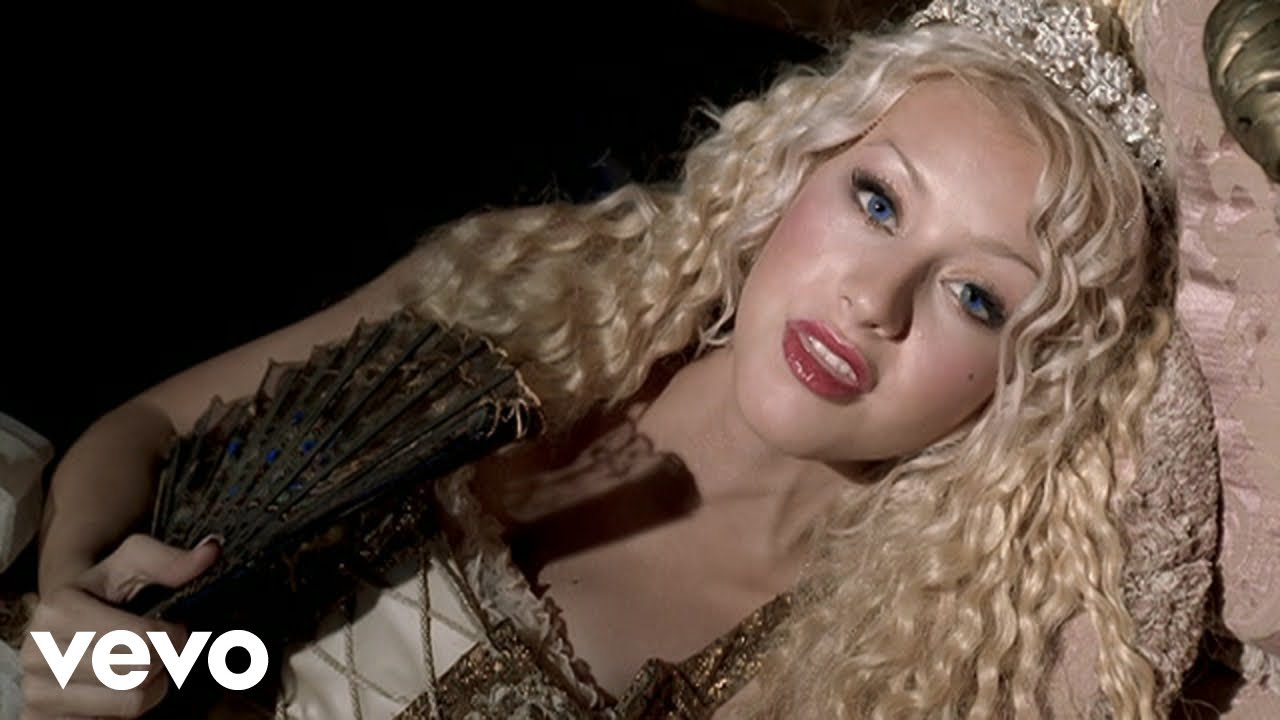
The Mickey Mouse Club grad who became the 2000s' designated voice—every critic conceded she could really sing, which was the whole point of the rivalry with Britney Spears. She went from a 1999 debut that shipped ten million records to the leather-chaps reinvention of Stripped, proving she was more than a pretty face with pipes.