98 Degrees
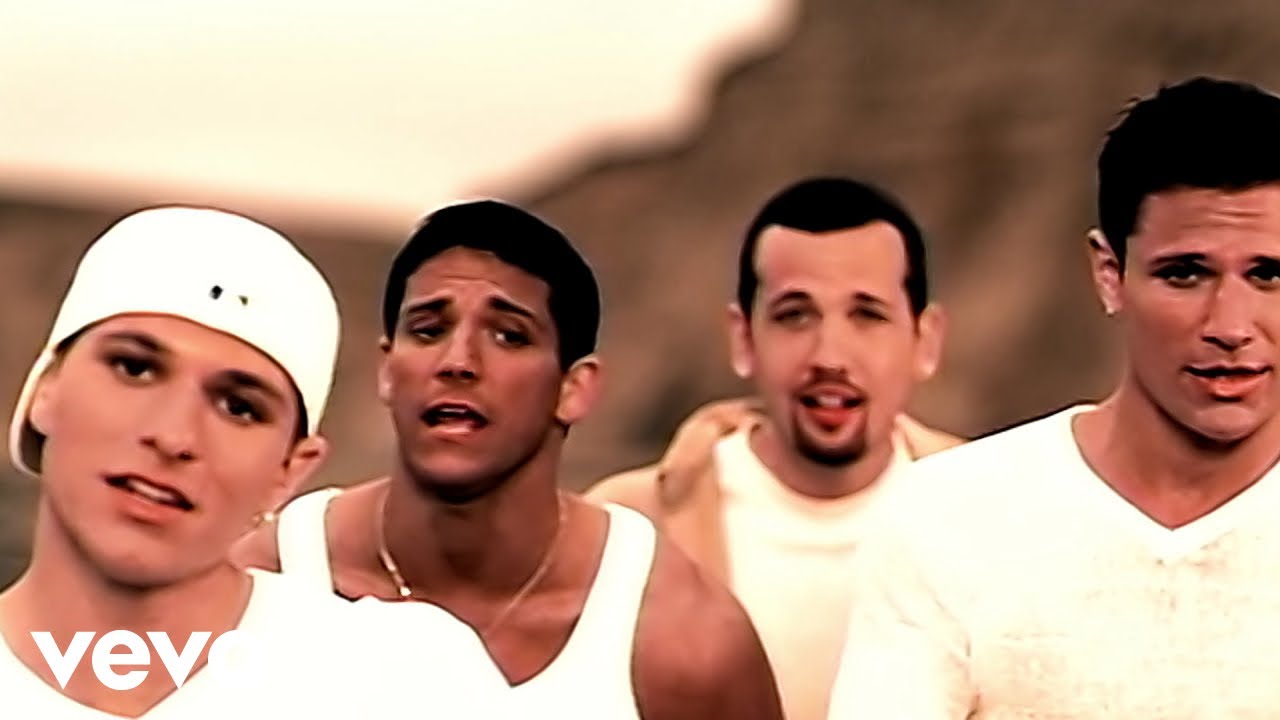
The boy band that built itself—assembled independently by four guys chasing the dream in Los Angeles, without a Lou Pearlman or corporate svengali telling them who to be. They cracked the charts with 1997's "Invisible Man," then spent 1998–2000 as Motown Records' R&B-leaning answer to the Backstreet Boys and NSYNC, delivering a handful of genuine hits including one number-one collaboration with Mariah Carey, then watched their moment fade when Nick Lachey married Jessica Simpson in 2002 and reality TV captured his afterlife.
Formed in 1996 in Los Angeles, 98 Degrees assembled themselves without the intervention of a major label executive or a boy-band impresario. Jeff Timmons started the group himself, and with Nick Lachey, Drew Lachey, and Justin Jeffre—Ohio guys chasing the dream in LA—they shopped themselves until Motown Records signed them, and a first single, "Invisible Man," cracked the top 15 in 1997. The label fit told the story: where the Backstreet Boys and NSYNC ran on the Swedish pop machine, 98 Degrees leaned into smoother R&B harmony, the boy band pitched closer to soul than to bubblegum.
Their hits arrived in steady succession from 1998 to 2000: "Because of You" peaked at number three on the Hot 100 in 1998, "The Hardest Thing" hit number five in 1999, and "Give Me Just One Night (Una Noche)" climbed to number two in 2000. The album 98 Degrees and Rising (1998) went 4x platinum, a success that established them as genuine hit-makers in their own right. Then came the crown jewel: "Thank God I Found You" with Mariah Carey and Joe, a Hot 100 number one in 2000.
The band went on hiatus in 2003, a point of inflection that coincided with Nick Lachey's marriage to Jessica Simpson in October 2002. That marriage launched the MTV reality-television series Newlyweds, which kept Lachey's face on television and in celebrity culture even as the band receded from public view. The group eventually returned in 2012 for the nostalgia circuit. They were always the third entry in the boy-band hierarchy, comfortable in that position, and when the moment passed, they moved on with grace. Sometimes being the third name in a conversation is exactly where you want to be.
Similar items
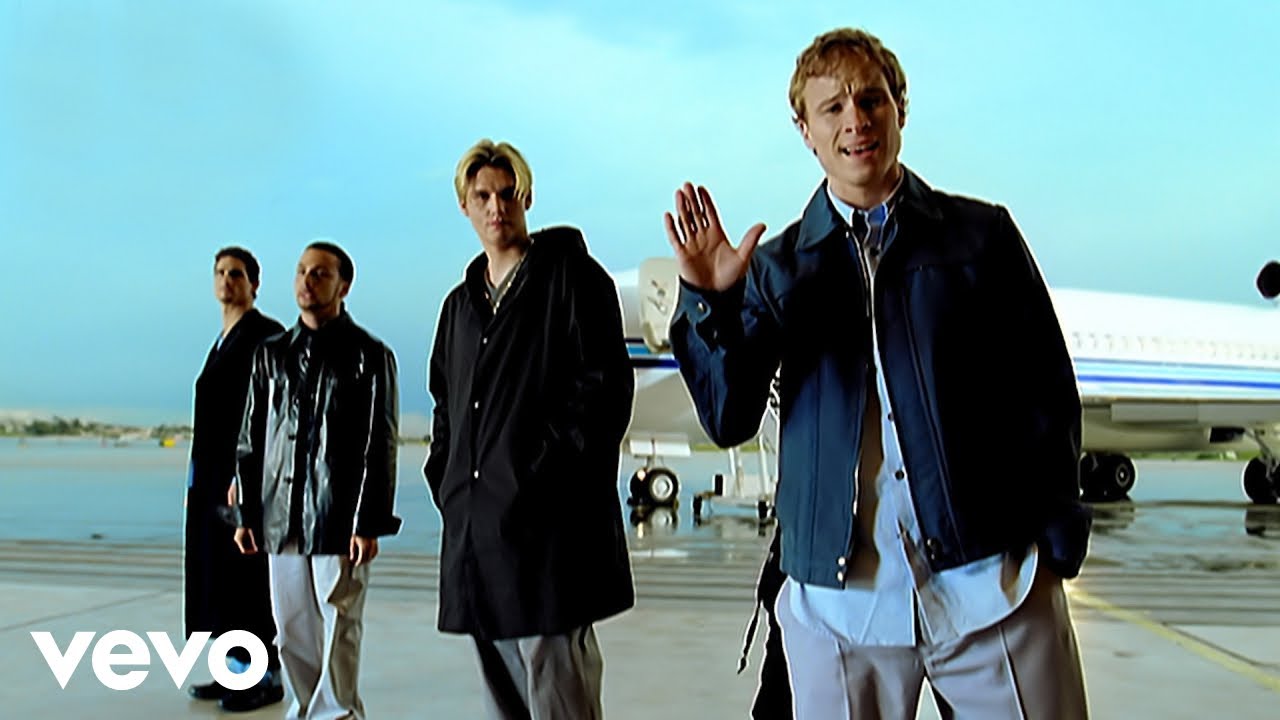
Backstreet Boys
Orlando's harmonizing five-piece formed the template for late-90s teen-pop dominance. The Backstreet Boys' matching choreography and Lou Pearlman's boy-band machinery made them a TRL staple, an arena-tour juggernaut, and the answer to every teen magazine's "Who's your favorite Backstreet Boy?" quiz.

NSYNC
'Bye Bye Bye' and its jerky-dancing video were inescapable on TRL, announcing that five boys from Orlando could rival the Backstreet Boys. NSYNC was teen pop's other empire during the late 90s, built by the same producer and fueled by a rivalry that defined a generation.

Mariah Carey
The voice: a five-octave range and that signature whistle register that became the sound of 1990s radio dominance. Columbia executive Tommy Mottola heard her demo tape at a party in December 1988, signed her, and launched a decade-long reign that would see her become the first artist whose first five singles all reached number one, and close the 1990s with fourteen #1 hits and Billboard's Artist of the Decade award.

Jessica Simpson
The third lane of the late-90s teen-pop trinity—Britney, Christina, and Jessica Simpson, marketed above all on that big Texas church-choir voice. Her debut album was a platinum hit, but her real dominance came via a reality TV show that turned her marriage into ratings gold and a Chicken of the Sea moment into the decade's defining soundbite.