Beastie Boys

Three New York punks who made the first rap album to top the Billboard chart, then spent the 90s outrunning the frat-party joke. The Beastie Boys played their own instruments on Check Your Head, starred as fake 70s cops in the Spike Jonze video for "Sabotage," headlined Lollapalooza, and closed the decade with Hello Nasty and two Grammys.
Mike Diamond, Adam Yauch and Adam Horovitz started out in 1981 as a New York hardcore punk band whose first drummer was Kate Schellenbach, pushed out in 1984 as the group turned to hip-hop; Rick Rubin, then an NYU student spinning records at their shows, said he "didn't like the sound of women rapping," a firing Horovitz regretted in print decades later. Rubin's new label, Def Jam, released Licensed to Ill on November 15, 1986, and it became the first rap album to reach number one on the Billboard 200, holding the spot for five weeks. "(You Gotta) Fight for Your Right (To Party!)" reached number seven, their only top-twenty single ever, and the 1987 tour ended in British tabloid outrage and a riot at Liverpool's Royal Court. They left Def Jam over unpaid money, signed to Capitol, and released Paul's Boutique in July 1989, a Dust Brothers production built almost entirely from samples that stalled at number 14 before becoming a critics' classic.
The 90s version of the band played its own instruments. Check Your Head (1992), recorded at their G-Son studio in Los Angeles with Mike D on drums, Yauch on bass, Horovitz on guitar and Money Mark on keyboards, went double platinum and launched their Grand Royal label and magazine; the Oxford English Dictionary cites their 1994 song "Mullet Head" and a 1995 Grand Royal piece as the first published uses of "mullet," a word it says the band "apparently coined, and certainly popularized." Ill Communication debuted at number one in 1994 and carried "Sabotage," whose Spike Jonze video recast the three in wigs and mustaches as the stars of a fictional 1970s cop show. It was nominated in five categories at the 1994 VMAs and lost all five; Yauch, disguised as "Nathaniel Hornblower," rushed the stage during Michael Stipe's acceptance speech to complain. The band headlined Lollapalooza that summer with the Smashing Pumpkins, and in 1996 Yauch organized the two-day Tibetan Freedom Concert in Golden Gate Park, which drew around 100,000 people.
Hello Nasty arrived on July 14, 1998, sold 681,000 copies in its first week, went to number one in the United States, Britain, Germany and Australia, and added the DJ Mix Master Mike. "Intergalactic" won Best Rap Performance by a Duo or Group at the 1999 Grammys while the album took Best Alternative Music Album, the first time a band had won in both categories, and MTV had already handed them its Video Vanguard Award in 1998.
A 2000 tour with Rage Against the Machine was scrapped after Mike D's bicycle accident, and the band's last show was Bonnaroo 2009. Yauch died of cancer on May 4, 2012, at 47, months after the group entered the Rock and Roll Hall of Fame; his will forbids the use of their music in advertisements, and the surviving two retired the name in 2014. Beastie Boys Book followed in 2018 and Spike Jonze's documentary Beastie Boys Story in 2020.
Similar items

Rage Against the Machine
Four guys from Los Angeles whose eight-line chant of refusal became a rite of passage for every suburban kid with a Discman. Rage Against the Machine fused metal, rap and funk to revolutionary politics, tried to hang upside-down flags on Saturday Night Live, charged the New York Stock Exchange for a video, and broke up in 2000 at the height of it.
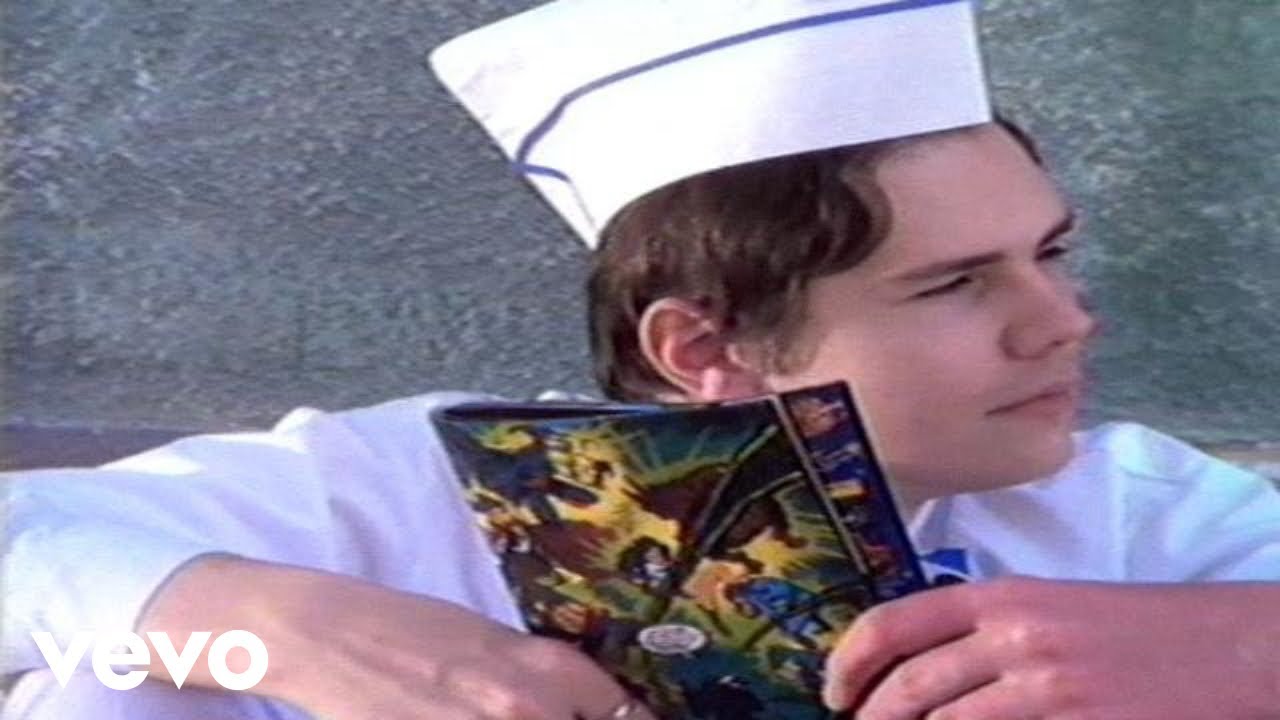
The Smashing Pumpkins
Billy Corgan's Chicago four-piece: shaved head, a black ZERO shirt, and a voice that could go from a whisper to a howl inside one bar. Between Gish and Machina they were a defining act of 90s alternative rock — a #1 double album, two Grammys, and seven VMAs in a single night — and then they ended it themselves, on stage at the same Chicago club where they'd started.
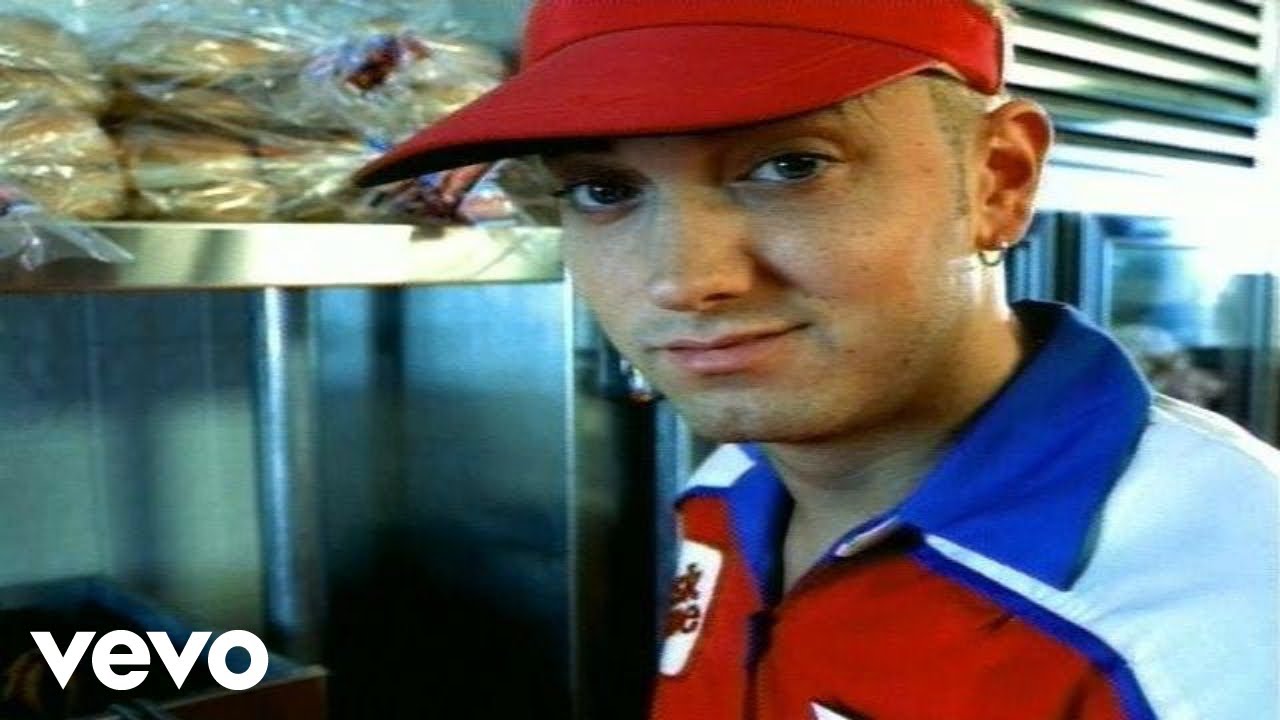
Eminem
Marshall Mathers from Detroit, a white rapper in a Black art form, exploded into stardom with shock-rap alter ego Slim Shady and relentless rhymes. The blond buzzcut, unapologetic controversy, Dr. Dre mentorship, and hits like 'Stan' and 'The Real Slim Shady' made him the biggest and most polarizing star in music during the early 2000s.
MTV
MTV's 1990s golden era transformed the channel from music-video jukebox into a cultural force, with Total Request Live (TRL), The Real World, Beavis and Butt-Head, MTV Unplugged, and a rotation of music videos that defined the decade's soundtrack. Music Television delivered exactly what it promised: a place where youth culture, music, and rebellion converged on cable.