BearShare

The bear on the desktop, the search box full of misspelled MP3s, and the toolbar nobody remembered installing. Free Peers' BearShare rode the Gnutella network from December 2000 until a $30 million settlement with the record labels ended it in 2006, and in a lot of houses it was the reason the family computer got slow.
BearShare launched on December 4, 2000, from Free Peers, Inc., a Gnutella client run by Vincent Falco and Louis Tatta. It arrived in Napster's shadow and found its audience the way most of that generation did: a free download, a search box, a results list of MP3s shared from other people's hard drives, and a friendly bear logo that made the whole thing feel harmless. The free version carried adware; a Pro version sold for $24, and the difference between the two was the beginning of BearShare's reputation as the program that came with something extra.
That reputation is the memory. Among the file-sharing clients of the early 2000s, BearShare became shorthand for the sluggish family PC, the toolbar nobody asked for, and the pop-ups that followed, whether or not BearShare was actually the culprit on any given machine.
The end came through the courts. After the Supreme Court's Grokster decision of June 27, 2005, BearShare's community forums closed abruptly while Free Peers negotiated with the RIAA; that fall it was one of seven file-swapping companies sent letters telling them to shut down or face suit. On May 4, 2006, court filings laid out the deal: Free Peers would pay $30 million, close up shop, and never run an unlicensed music service again, selling BearShare's technology, domain name, and user data to a subsidiary of iMesh, which had settled its own case for $4.1 million and relaunched the year before as a licensed service. Grokster had agreed to pay $50 million the previous fall; i2Hub and WinMX had simply shut down.
The name outlived the network. On August 17, 2006, iMesh's MusicLab released BearShare 6, a reskinned iMesh that connected to iMesh's own network rather than Gnutella and sold copy-protected WMA downloads alongside free MP3s. That licensed BearShare lingered until June 12, 2016, when the download finally disappeared, but the BearShare people remember is the earlier one: free, slightly dangerous, and always running in the background.
Similar items

LimeWire & Napster
The lawless era of free music: you queued up a download that would take three hours on dial-up, crossed your fingers it wasn't mislabeled, and hoped even harder it wasn't a virus. Napster and LimeWire were the P2P revolution that detonated the music industry, made kids into accidental outlaws, and eventually gave way to iTunes.

WinMX
The file-sharing client that outlived Napster and became Japan's favorite: queue positions, upload slots, a couple thousand chat rooms and a network that refused to die. When the RIAA shut its maker down in September 2005, two community patches had the whole thing back online within days, and the patched network kept running for years.
Audiogalaxy
The file-sharing service music nerds still mourn: a website where you queued songs, a tiny program called Satellite that kept hunting for them while you were away, and forums that turned strangers into Italian-prog-rock experts. Audiogalaxy rose when Napster fell in 2001 and went dark on June 17, 2002, the day it settled with the record industry.
Mix CDs
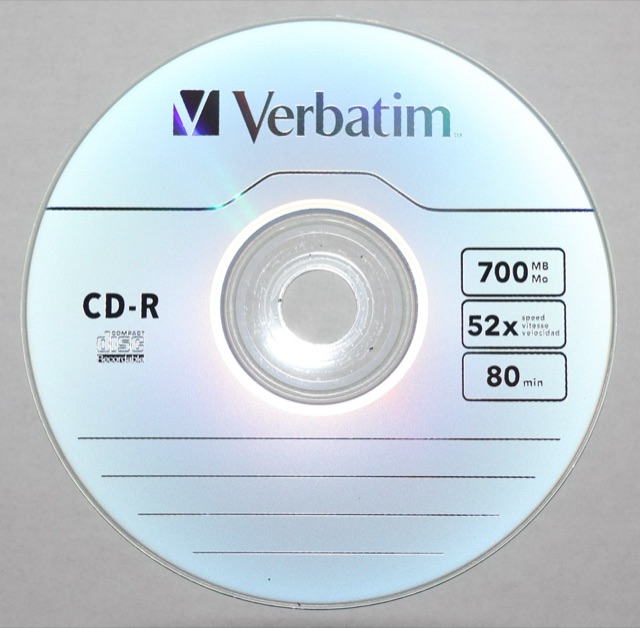
The mixtape of the CD-R era: download MP3s from file-sharing sites, burn them to a blank disc in Nero or iTunes, label it with Sharpie, and pray it didn't skip. Mix CDs were the late-90s and 2000s ritual—track order agonized over, burnable only by those with a CD-R drive, given as love offerings and road-trip soundtracks.