Bath Oil Beads

The translucent, jewel-colored gelatin pearls that sat in a glass dish on every 90s bathroom counter, melting into a slick of scented oil in the tub, and looking so much like candy that every kid tried one. Calgon sold them in the 60s, but the 90s was their moment.
Bath beads are older than they look. The Calgon Corporation, a chemical company that made water softeners for laundry and dishes, noticed that women in hard-water areas were pouring its powder into the bath, added scented oils, and sold the result as Calgon Bath Oil Beads; a 1964 New York Times piece on the bath-oil business had them at 79 cents a pound in supermarkets. Calgon's "take me away" ads later turned the brand into shorthand for an escape from the traffic, the boss and the kids, and the beads went along for the ride.
The version everyone remembers came later: little capsules of hard gelatin, shaped like pearls, hearts and little animals, in translucent purples, greens and ambers, filled with fragrant oil that spilled out as the shell dissolved in hot water. Their popularity peaked in the 1990s and early 2000s, and the trend expert Daniel Levine has described why: they arrived in a decade that prized pampering, indulgence and playfulness, and they delivered strong scents, bright colors and shine all at once. They were sold loose, in gift sets and in decorative jars, and the jar was the point. A dish of bath beads on the counter or the edge of the tub was decor, the same way a bowl of potpourri was, and it was rarely emptied.
Which is why they were a menace to children. The beads were the exact size, color and gloss of a gumdrop, they sat in a dish at kid height, and at least one in every family found out the hard way that they were not candy: the shell went rubbery in the mouth and the oil was bitter and soapy. They also gave a bath the slipperiest floor imaginable. The bath bomb, which Lush brought to North America with its first Canadian store in 1996, took over the same job, and the gelatin bead disappeared from mainstream shelves. It has since come back in small batches, from a 2018 line of seaweed-cased drops to Etsy sellers making the old animal shapes for people who remember the dish.
Similar items

Bath & Body Works
The scent wall: every bottle a different color, every color a different smell, and you had to sniff them all. Bath & Body Works opened in 1990 and within a decade its body sprays were a generational signature — half a middle school could leave for class smelling of Cucumber Melon.
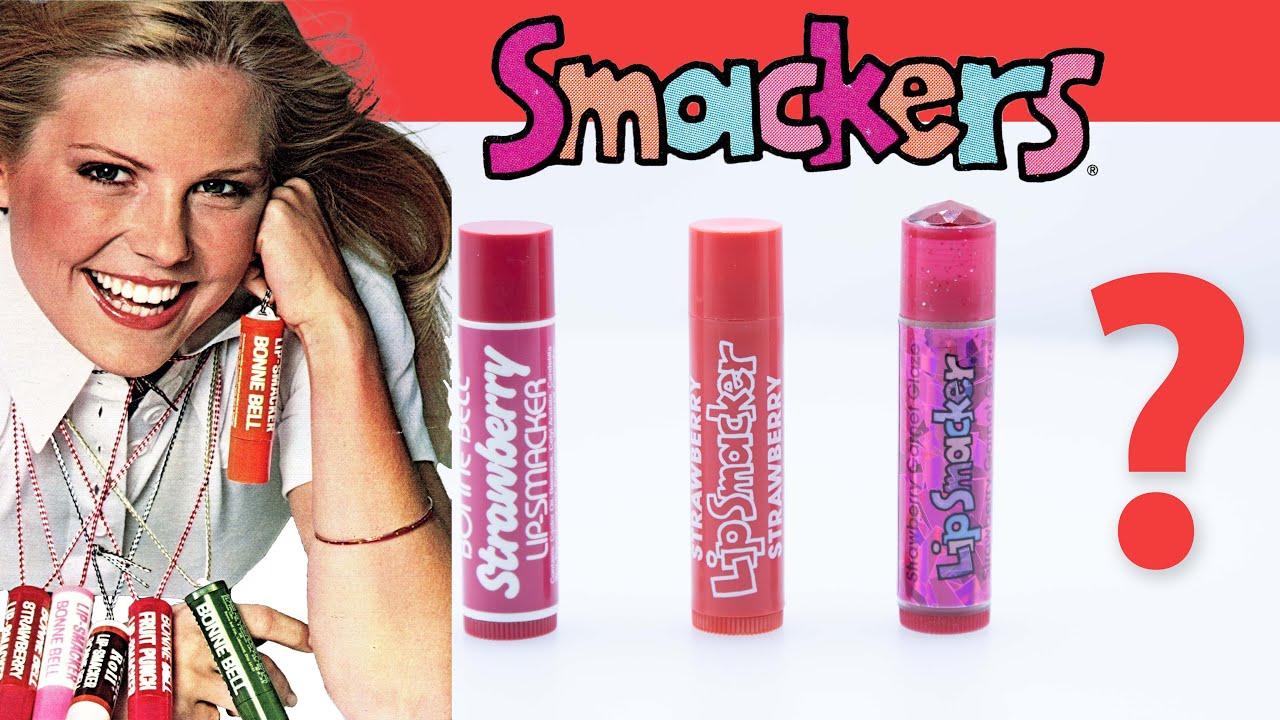
Lip Smackers
Hoarded in Caboodles and traded at sleepovers like currency, Lip Smackers were the first cosmetic your parents let you own — because it wasn't quite makeup, just flavor. Bonne Bell made them in dozens of flavors, but everyone wanted the Dr Pepper.
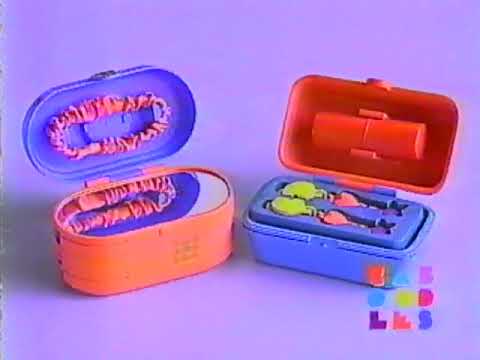
Caboodles
The pastel tackle box that held an entire girlhood: Lip Smackers in the top tray, scrunchies in the well, stickers and secrets underneath. Caboodles turned fishing-gear engineering into the most recognizable object on a '90s bathroom counter — and it all started with a photo of Vanna White.
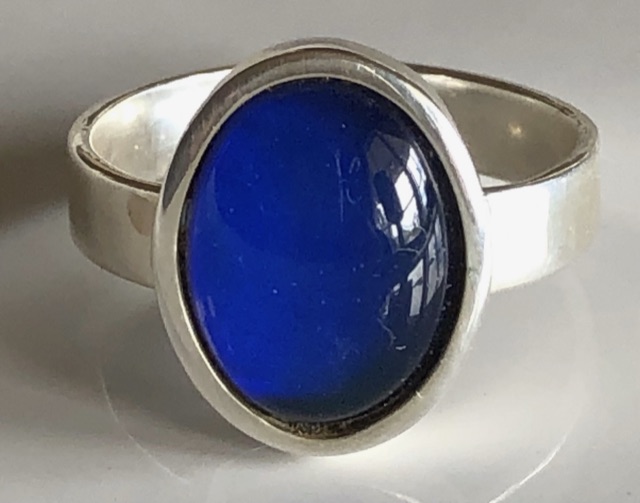
Mood Rings
A thermochromic crystal that supposedly read your emotions—blue meant calm, black meant stressed—except it mostly just measured how cold your hands were. The stone changed color with finger temperature, not feelings, but that didn't stop every kid from testing one against its color chart and knowing, deep down, it was a scam.