Zwinky

Dress up a big-headed cartoon version of yourself, paste it on your MySpace, then wander Zwinktopia earning Zbucks for new outfits. Zwinky was the avatar craze of the mid-2000s — and, thanks to the browser toolbar it came bundled with, the thing that got a lot of family computers a stern talking-to.
Zwinky launched on June 20, 2006, from IAC's consumer-applications unit, the group that later became Mindspark Interactive Network and was already responsible for Smiley Central and Cursor Mania. The pitch was simple: build a customized avatar from what TechCrunch reported as 10,000 outfits, accessories and other items, and embed it on other sites, MySpace above all. By March 2007 the company was claiming 20 million active toolbars and 4.7 million unique visitors for the month, and that April it opened Zwinktopia, a virtual world where your avatar could roam, chat with other users and earn Zbucks, the currency for buying virtual clothes and goods. The whole "Fun Web Products" group was pulling in over $100 million a year, and Zwinky got its own TV commercials.
The catch was the toolbar. Using Zwinky meant installing it, and Mindspark's toolbars were commonly classified as potentially unwanted programs, installed without the user's clear consent and difficult to remove; Wikipedia's summary is that many "exhibited malicious behaviors and could be considered malware." That reputation is as much a part of the memory as the avatars: the parent or school IT person discovering what had been installed, and the kid insisting it was just for the outfits.
On August 26, 2016, the Zwinky Twitter account announced that "Zwinky has decided to close its virtual doors." Mindspark itself wound down in 2021. What survives is the aesthetic — the paper-doll proportions and the glittery MySpace-era layouts they were made for — and a lot of people who can still remember exactly what their Zwinky was wearing.
Similar items
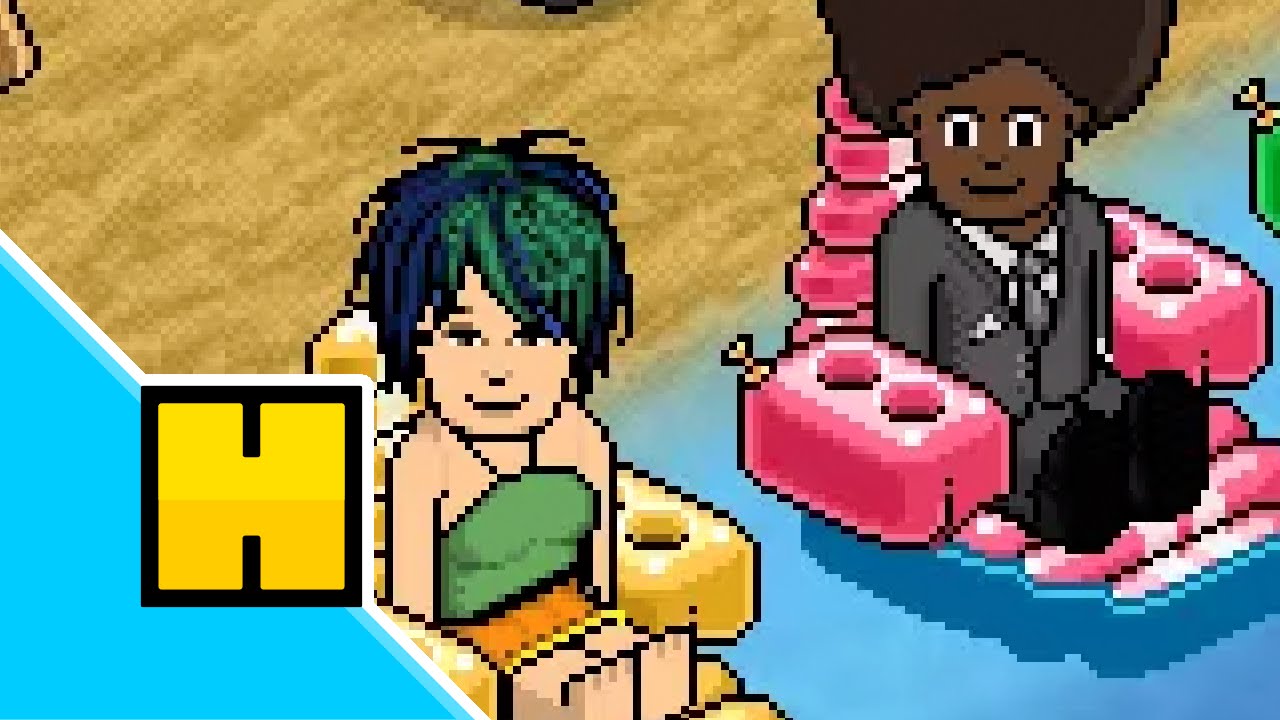
Habbo Hotel
A giant isometric pixel-art hotel you checked into as a blocky avatar — decorating rooms with "furni," chatting in the lobby, and guarding the virtual pool. One of the first massively popular online social worlds built for teenagers.

MySpace
MySpace launched in August 2003 and became the social network that swallowed the mid-2000s internet — where everyone's first friend was Tom. Top 8 rankings sparked drama, profile songs played on auto-load, and DIY HTML customization meant glitter graphics and autoplay music ruled. Bands broke careers there; it was the most-visited website in the US by 2006.

Neopets
The website where you could adopt a digital pet, battle it in the Battledome, and waste hours playing Flash mini-games to earn Neopoints. Launched by UK students Adam Powell and Donna Williams in 1999, Neopets became a certified after-school phenomenon, drawing tens of millions of users at its mid-2000s peak.

Club Penguin
The online hangout where millions of kids waddled around as cartoon penguins, decorated their igloos, adopted puffle pets, and played mini-games for coins in a safety-focused chat environment. Club Penguin was one of the first MMOs designed specifically for kids, and it became an after-school addiction that defined a generation's online childhood.