Yo! MTV Raps

Fab 5 Freddy on the weekend, Doctor Dré and Ed Lover on weekdays, and the Ed Lover Dance in between the videos: the show that put hip-hop on MTV in 1988 and carried it to the whole country until a freestyle-filled finale in 1995. Ice Cube name-checked it in "It Was a Good Day," and Doogie Howser wore the T-shirt.
Yo! MTV Raps started in Europe. French journalist and producer Sophie Bramly developed and hosted Yo! for the young MTV Europe in October 1987, with Afrika Bambaataa as her first guest, and the American version, created by Ted Demme and Peter Dougherty, was built on that template. The US pilot aired on August 6, 1988, hosted by Run-DMC with DJ Jazzy Jeff & the Fresh Prince as the first guests and Eric B. & Rakim's "Follow the Leader" as the first video; it was one of the highest-rated programs MTV had aired to that point. It was the network's first hip-hop show, mixing videos with interviews, comedy and live in-studio performances on Fridays.
Fab 5 Freddy was the original host. When the weekday edition, Yo! MTV Raps Today, launched on March 13, 1989, Doctor Dré and Demme's high-school friend Ed Lover took it over, soon joined by T Money, while Freddy moved to weekends. Lover's Ed Lover Dance, performed to The 45 King's "The 900 Number," was a Wednesday ritual. The graffiti writer Dr. Revolt drew the logo. Dré and Lover parlayed the show into a Hot 97 morning radio slot, the 1993 film Who's the Man?, directed by Demme, and a 1994 album, Back Up Off Me!
Ratings fell after MTV pulled Public Enemy's "By the Time I Get to Arizona" video from regular rotation in early 1992 over its violence, and by 1992 or 1993 the show was down to two hours on Fridays after midnight. The finale on August 17, 1995, closed with a freestyle session featuring Rakim, KRS-One, Redman, Method Man, Erick Sermon, Craig Mack, MC Serch and Large Professor, among others; Salt-N-Pepa appeared on both the first Fab 5 Freddy episode and the last. MTV ran a stripped-down Yo! with guest hosts from 1996 to 1999, then Direct Effect from 2000. BET's rival Rap City, launched in 1989, outlasted it by more than a decade.
The brand kept coming back: a 20th-anniversary run in April 2008 with the three classic hosts, a 30th-anniversary live show at Brooklyn's Barclays Center on June 1, 2018, and a Paramount+ revival that premiered on May 24, 2022.
Similar items
MTV
MTV's 1990s golden era transformed the channel from music-video jukebox into a cultural force, with Total Request Live (TRL), The Real World, Beavis and Butt-Head, MTV Unplugged, and a rotation of music videos that defined the decade's soundtrack. Music Television delivered exactly what it promised: a place where youth culture, music, and rebellion converged on cable.

120 Minutes
MTV's late-night alternative-music show, two hours of videos the daytime rotation wouldn't touch, from Hüsker Dü and Morrissey to the world premiere of "Smells Like Teen Spirit." For a generation that stayed up for it, the 1990s hosts Lewis Largent and the encyclopedic Matt Pinfield were the gatekeepers of what counted as cool.

MTV Unplugged
The stool, the acoustic guitar, the candles: the MTV series that had rock stars strip their hits down to wood and strings, and turned a few of those nights into era-defining albums. Eric Clapton's 1992 set became the best-selling live album ever, and Nirvana's November 1993 session, staged with lilies and black candles "like a funeral," became the band's farewell.
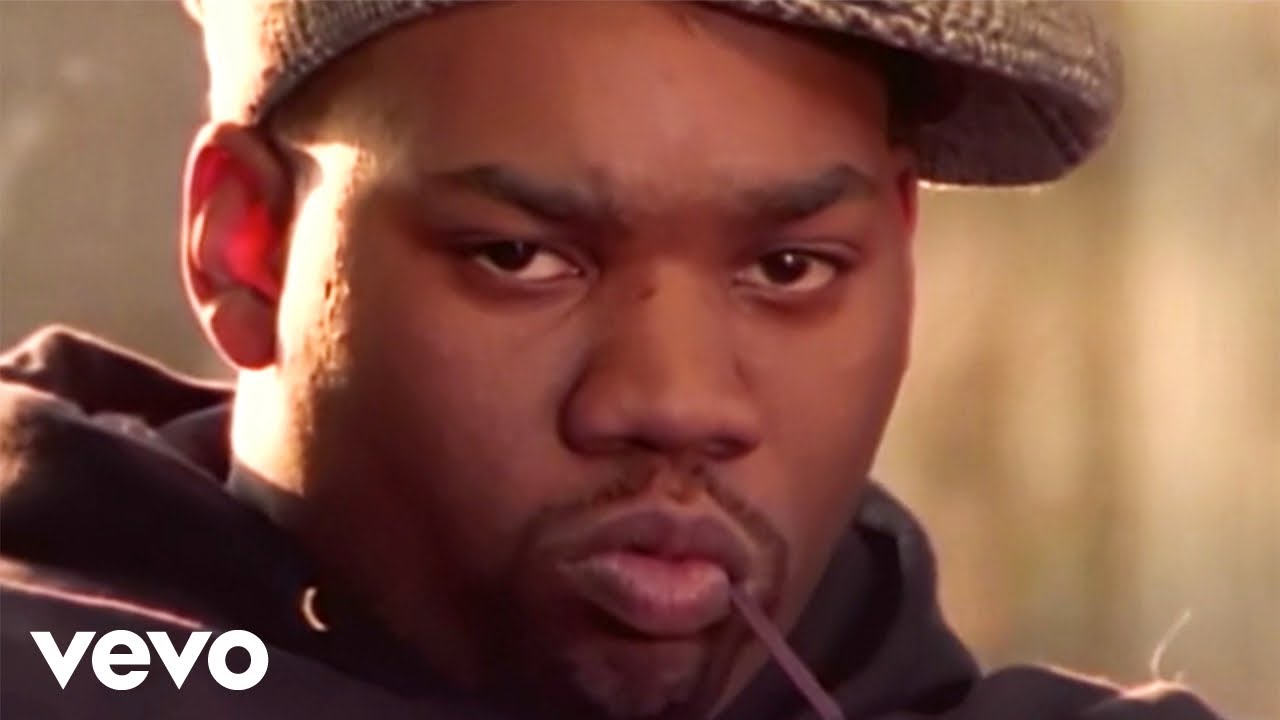
Wu-Tang Clan
A nine-man crew out of Staten Island that came out swinging in 1993 with kung-fu samples, a logo you could draw on a desk, and a business plan other labels had turned down. Wu-Tang Clan's Enter the Wu-Tang (36 Chambers) rebuilt New York rap, the solo albums kept coming, and Wu Wear stores and Macy's racks proved the "W" was a brand.