The Tick

Fox Kids' superhero parody: a huge, blue, nigh-invulnerable hero who isn't very bright, his sidekick Arthur, a former accountant in a moth suit, and a battle cry of "Spoon!" It was made for kids, and adults turned it into a cult hit.
The Tick began as a store mascot. In 1986, 18-year-old Ben Edlund drew him for the newsletter of New England Comics, a Boston-area comic shop where he was a regular. The character caught on, and the store financed a black-and-white comic, whose first issue came out in June 1988. Arthur, the Tick's sidekick, arrived in issue #4 in 1989. When a small New Jersey licensing company, Kiscom, wanted to make Tick merchandise, Sunbow Entertainment (the studio behind The Transformers and G.I. Joe) paired Edlund with writer Richard Liebmann-Smith. Fox turned down their first script and gave them five days to fix it, and they rewrote it over one weekend. "We kind of defined in one weekend exactly where the show went for that first season," Edlund said.
The Tick premiered on Fox Kids on September 10, 1994. In the comic the Tick escapes from a mental institution; in the cartoon he wins the job of protecting The City at a superhero tryout in Reno. He is square-jawed, blue, friendly, frequently obtuse, nearly impossible to hurt, and given to speeches full of bizarre metaphors. His battle cry, "Spoooooon!", came to him over a bowl of cereal. Townsend Coleman voiced him. Arthur, a plump former accountant in a white moth suit that people keep mistaking for a bunny, was voiced by Micky Dolenz in season one and Rob Paulsen after that. Arthur is the one who usually works out the villain's scheme, and his own cry is "Not in the face!" Censors ruled out the comic's supporting cast, so the show invented new heroes: Die Fledermaus, a vain Batman parody; American Maid; and Sewer Urchin. Villains included Chairface Chippendale, the Breadmaster and El Seed. Most episodes ended with the Tick announcing an absurd moral.
The merchandising included action figures, pogs, a board game, Taco Bell and Carl's Jr. giveaways, and a Super NES and Genesis game. By Edlund's account the merchandising faded after the first season, because the show never reached Ninja Turtles heights. "That failure, to me, makes The Tick a much more sincere proposal," Edlund said. The show won two Annie Awards in 1995; its final episode aired on November 24, 1996. Comedy Central reruns then made it a cult hit with adults, which led to a live-action Fox series in 2001 and an Amazon one in 2016. IGN ranked the cartoon sixth on its list of the top 100 animated series and called it "the first great lampooning of the superhero genre."
Similar items
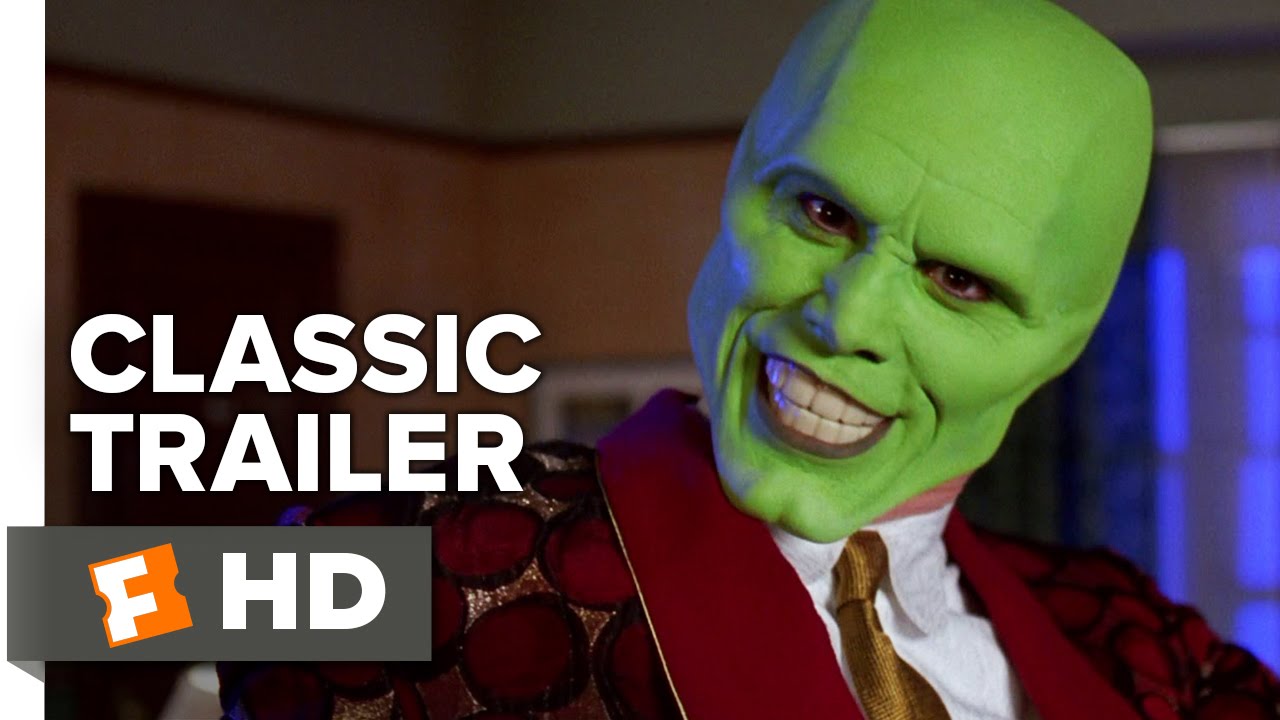
The Mask
Ssssmokin'! Stanley Ipkiss puts on a cursed green mask and becomes a zoot-suited cartoon come to life — eyes bugging out, heart pounding through his chest. The Mask turned Jim Carrey into a literal living Tex Avery gag and gave the world Cameron Diaz.

Earthworm Jim
An ordinary earthworm in a robotic super-suit, here to save the world with run-and-gun style and pure, unapologetic weirdness. Earthworm Jim arrived in October 1994 as a 16-bit fever dream — fluid animation and gross-out humor that felt almost illegal on a Genesis. It was goofy, it was gross, and your parents didn't get it. That was the whole point.
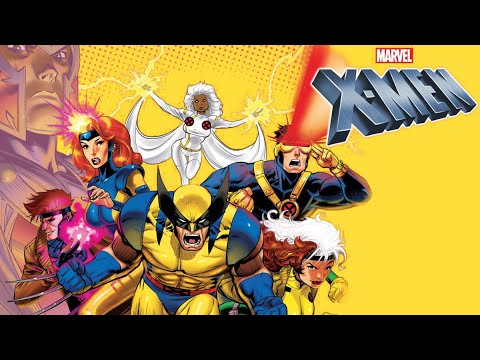
X-Men: The Animated Series
To a generation of Saturday-morning kids, this was the real X-Men: five seasons on Fox Kids, one impossibly urgent guitar theme, and stories lifted straight from the comics. Wolverine, Rogue, and Gambit were household names years before Hollywood caught up.

Pogs
Circular cardboard caps stacked and slammed on playgrounds from coast to coast. A simple game descended from Hawaiian milk-cap traditions, Pogs spiraled into a full-blown craze—until schools banned them as gambling and the market collapsed.