The Middle

An affirmation dressed as a rock anthem — "don't write yourself off yet" — from a band that had just been dropped by its label and instead stumbled into its biggest moment. It climbed all the way to #5 on the Hot 100 and soundtracked every awkward kid's 2002.
Jimmy Eat World had just weathered the worst stretch of their career: after 1999's Clarity, Capitol Records dropped them over low sales and thin radio play, and the band kept themselves alive through relentless touring and word of mouth. In 1999, while learning drums at home in Tempe, Arizona, frontman Jim Adkins wrote the bones of what would become "The Middle" — the drumbeat borrowed its drive from Tom Petty's "You Wreck Me," and most of the lyrics came in a single day. The message was direct: don't give up on yourself, even when social unease is screaming that you should. It was partly inspired by a fan's account of feeling like an outsider, turned into something universal.
"The Middle" arrived in October 2001 as the second single from Bleed American, and by early 2002 it hit number one on Billboard's Modern Rock Tracks chart — then kept climbing, crossing to top-40 radio and peaking at number five on the Hot 100. It remains the band's only top-40 hit on that chart, and in Canada it was the most-played song on radio in all of 2002. The video captured the song perfectly: a high-school pool party where everyone but the band is in their underwear, and one clothed teenage boy wanders awkwardly through until he finds a girl who kept her clothes on too — and they leave together.
Two years earlier, Jimmy Eat World had been an underground emo act known to a small, devoted crowd. The crossover was sudden and improbable: a moment when the mainstream briefly aligned with what the kids in the back already knew.
Similar items
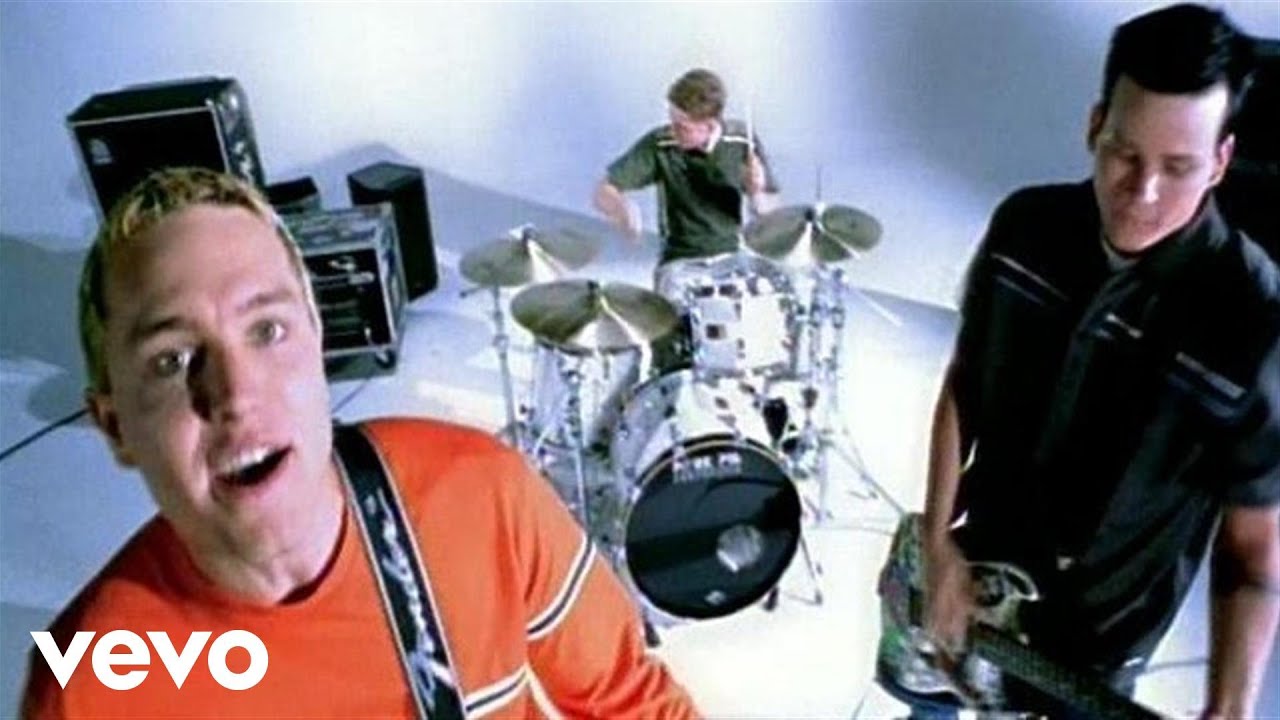
Blink-182
Pop-punk pioneers who mixed juvenile toilet humor with real melodic craft and suburban-teen honesty. From scrappy San Diego garage band to first punk album atop the Billboard 200. Their untitled third album was the moodier reinvention; the hiatus in 2005 felt less like goodbye and more like a pause in a story everyone knew would resume.
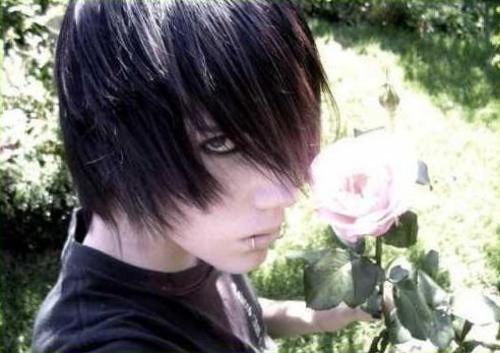
Emo / Scene-Kid Wave
The mid-to-late-2000s youth subculture built around emo and pop-punk bands like My Chemical Romance, Fall Out Boy, Panic! at the Disco, and Dashboard Confessional. The look: long side-swept bangs over one eye, black skinny jeans, band tees, studded belts, thick eyeliner, Converse, and dyed or straightened hair. It lived on MySpace through dramatic high-angle selfies and Top 8 drama, shaping a generation's teenage aesthetic.
![Video thumbnail — Panic! At The Disco: I Write Sins Not Tragedies [OFFICIAL VIDEO]](https://i.ytimg.com/vi/vc6vs-l5dkc/hqdefault.jpg)
"I Write Sins Not Tragedies" by Panic! at the Disco
The song that was everywhere in 2006, with the earworm chorus radio had to censor. Brendon Urie in a ringmaster's top hat, a circus crashing a wedding, and enough theatrical energy to define an era of emo-pop — every kid noticed what the stations cut out and learned the uncensored lyrics anyway.
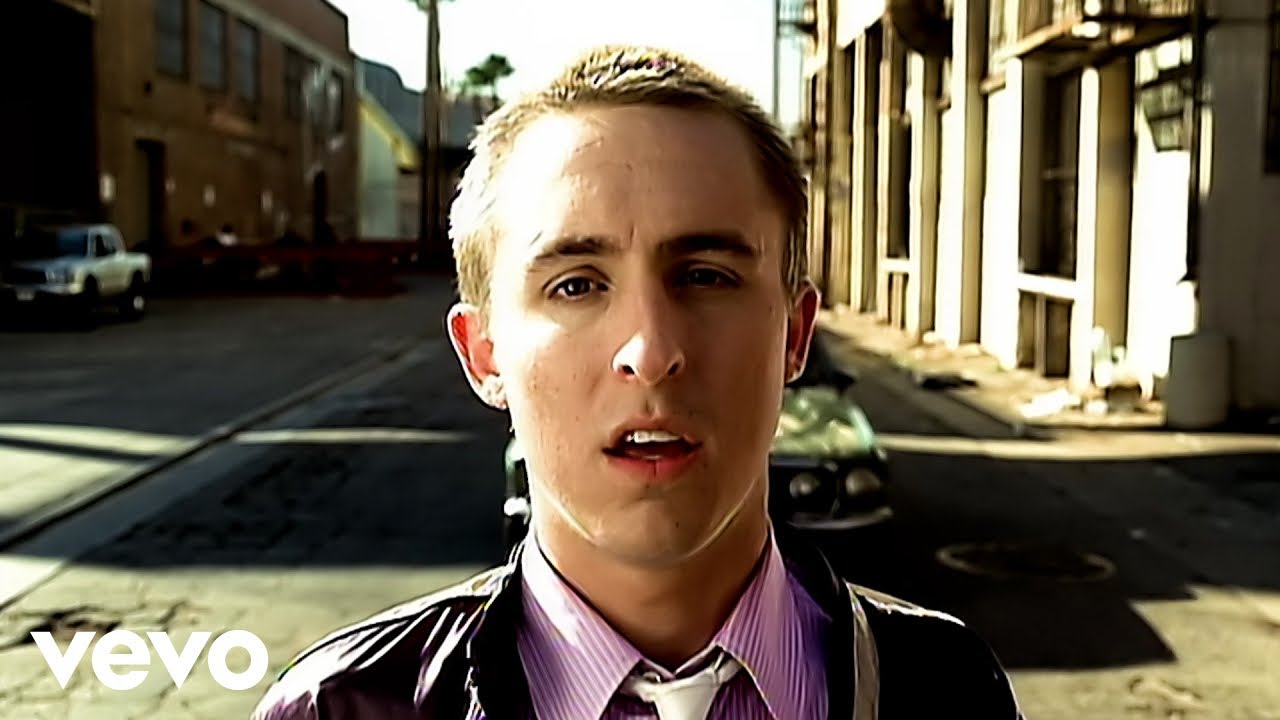
Ocean Avenue
Pop-punk with a violin section of one. Yellowcard's signature song only reached #37 on the Hot 100, but it went double Platinum and became the era's defining leave-this-town anthem — named for a street that doesn't quite exist.