Blink-182
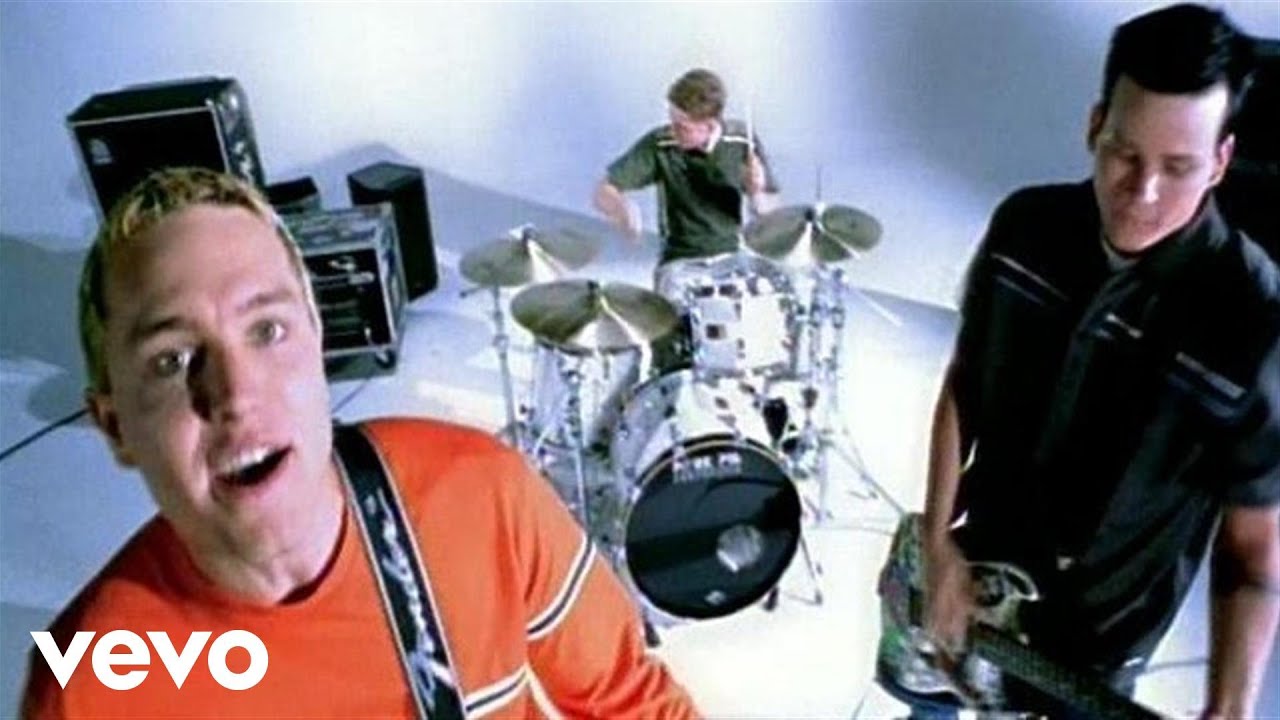
Pop-punk pioneers who mixed juvenile toilet humor with real melodic craft and suburban-teen honesty. From scrappy San Diego garage band to first punk album atop the Billboard 200. Their untitled third album was the moodier reinvention; the hiatus in 2005 felt less like goodbye and more like a pause in a story everyone knew would resume.
Blink-182 formed in August 1992 in Poway, a San Diego suburb, when Tom DeLonge and Mark Hoppus recruited drummer Scott Raynor and started grinding out local shows and demos under a name that would eventually settle as the defiantly lowercase blink-182. Their second album, Dude Ranch (June 1997), went gold by 1998 and earned heavy modern-rock airplay for "Dammit"—the first real signal that something was shifting.
The turning point came mid-1998 when Scott Raynor was dismissed from the band. Replacing him was Travis Barker, drumming at the time for The Aquabats, who famously learned a 20-song setlist in 45 minutes and never looked back. With Barker's technical precision and kinetic stage presence, the band's sound crystallized. Enema of the State (1999) became their watershed: it sold over 15 million copies worldwide, spawned three radio and MTV staples—"What's My Age Again?", "All the Small Things", and "Adam's Song"—and defined the sound of late-1990s rock radio. Take Off Your Pants and Jacket (2001) became the first punk rock album to reach No. 1 in the US — a ceiling no one thought punk could breach.
By the early 2000s, blink-182 had transcended "punk band" and become a lifestyle. They embodied the pop-punk boom that dominated TRL from 1999 to 2004, and a whole wave of bands — Fall Out Boy among them — rose in the lane they had cleared. The untitled album (November 2003)—their departure into moodier, more experimental terrain—showed a band growing restless. In February 2005, the band announced an indefinite hiatus, with DeLonge torn between creative freedom within the group and the toll touring was taking on his family life. The hiatus felt like a gut-punch at the time, as if the 2000s had ended early. Their legacy was never in doubt: they'd given millions of teenagers permission to laugh at themselves while playing guitar that actually mattered.
Similar items
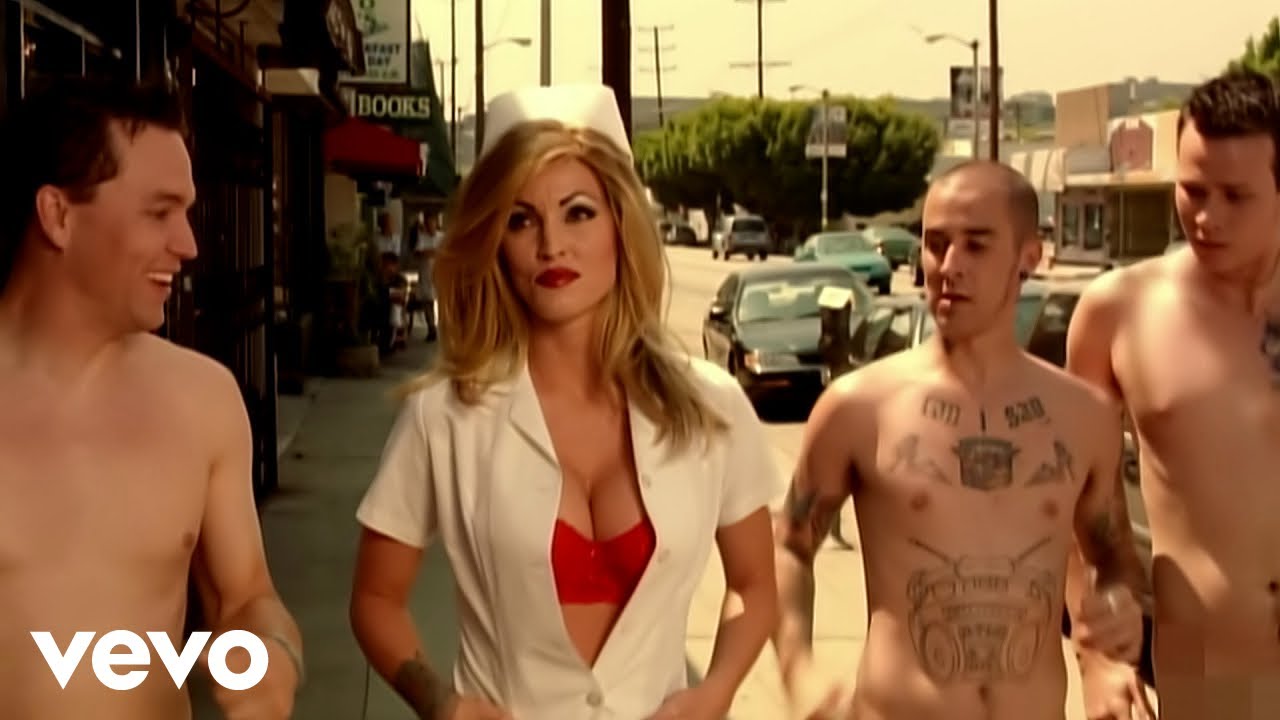
Blink-182 — What's My Age Again?
The lead single that announced blink-182 had arrived, with a melody so immediate it felt like it already existed. A five-minute kitchen-floor composition that would define the band and give them their first MTV staple. The line "nobody likes you when you're 23" became the most quotable moment in pop-punk, even though Mark Hoppus was 26 when he wrote it.
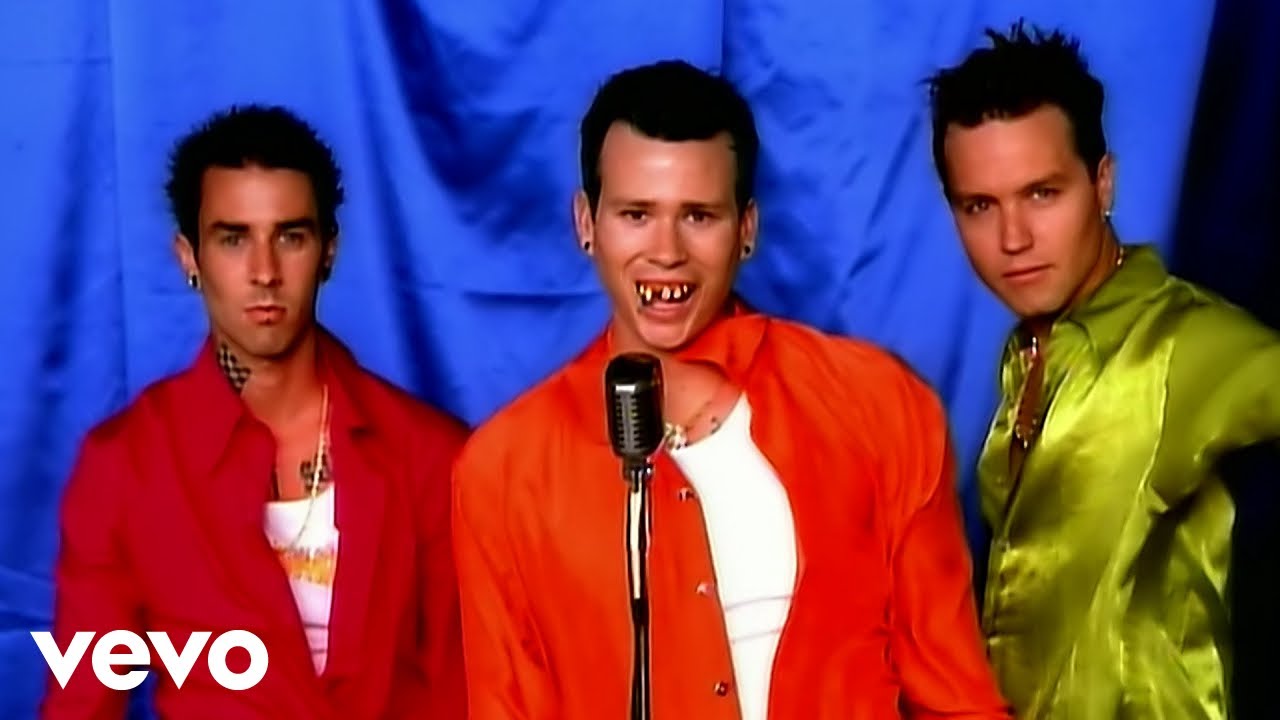
Blink-182 — All the Small Things
The perfect parody disguised as a perfect pop song. Blink-182 conquered TRL and the Billboard Hot 100 by mocking the very boy-band videos they shared the countdown with, with a "na-na-na-na" hook so contagious it rewired a million brains. Won Best Group Video at the 2000 MTV VMAs and became the guitar riff every beginner learned.
![Video thumbnail — Green Day - Basket Case [Official Music Video] (4K Upgrade)](https://i.ytimg.com/vi/NUTGr5t3MoY/maxresdefault.jpg)
Green Day — Dookie
Green Day's major-label debut smashed punk into the mainstream with three-minute anthems of suburban ennui. Released February 1, 1994, "Longview," "Basket Case," and "When I Come Around" dragged pop-punk from a Bay Area garage to every suburban bedroom in America.
![Video thumbnail — Green Day - American Idiot [Official Music Video] [4K Upgrade]](https://i.ytimg.com/vi/Ee_uujKuJMI/maxresdefault.jpg)
Green Day — American Idiot
Green Day's 2004 rock opera and concept album that told a story across its tracks while channeling the political frustration of the mid-2000s. A punk-rock comeback powered by the megahits 'American Idiot,' 'Boulevard of Broken Dreams,' 'Holiday,' and 'Wake Me Up When September Ends.' It won the Grammy for Best Rock Album and was later adapted into a Broadway musical.