"Tell Me" — Groove Theory
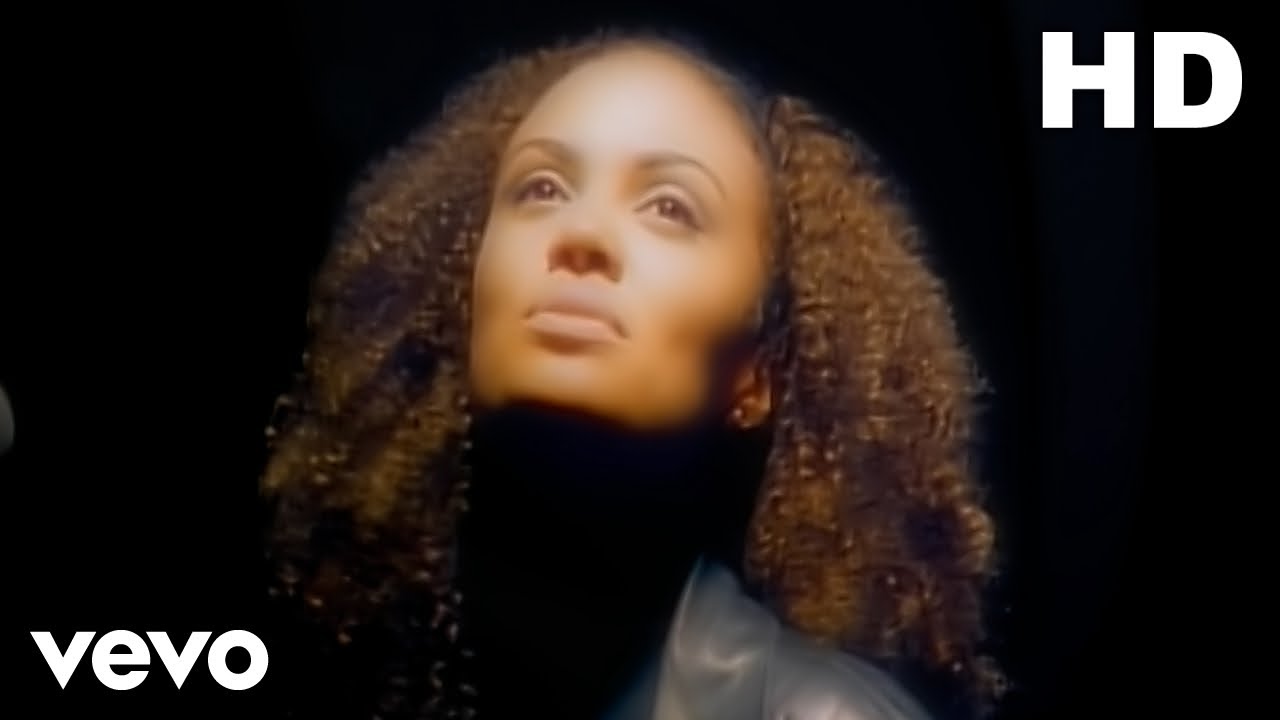
Amel Larrieux's honeyed 1995 plea over Bryce Wilson's spare beat, the R&B single that went to number five on the Hot 100 and outlived the duo that made it. Still the sound of a summer night in 1995.
Groove Theory formed in New York in 1993 after Amel Larrieux, a receptionist at the music publisher Rondor Music since she was 18, met producer Bryce Wilson there. Epic released "Tell Me" on June 23, 1995, ahead of the self-titled album that October. Wilson produced; the writing credit is shared by Wilson, Larrieux, Darryl Brown and Rick James, because the song is a cover of Rhythm-N-Bass's 1993 "Tell Me (If You Want Me Too)" and interpolates the Mary Jane Girls' "All Night Long."
It rose to number five on the Hot 100 and number three on the R&B chart, number two on the maxi-single sales and rhythmic charts, number six in Australia, number eight in Canada and number 31 in the UK, and went gold in the US and Australia. Daniela Federici's video kept it simple: Larrieux singing, Wilson at the studio console, the city skyline in between. The album reached number 69 on the Billboard 200 and number 14 on the R&B albums chart and went gold, with "Baby Luv" (number 18 R&B) and "Keep Tryin'" following.
There was no second act for the duo. Larrieux left in 1999 for a solo career; Makeda Davis replaced her, a second album called The Answer was recorded for Columbia and never released, a single, "4 Shure," barely charted, and the group ended in 2001 while Wilson turned to acting in Beauty Shop, Trois and Hair Show. Larrieux's Infinite Possibilities came out in February 2000 and reached number 79, its single "Get Up" a top-ten Adult R&B hit, and she and her husband Laru founded Blisslife Records in late 2003. "Tell Me" itself got an AXSHN remake with Sofia Reyes in 2017.
Similar items
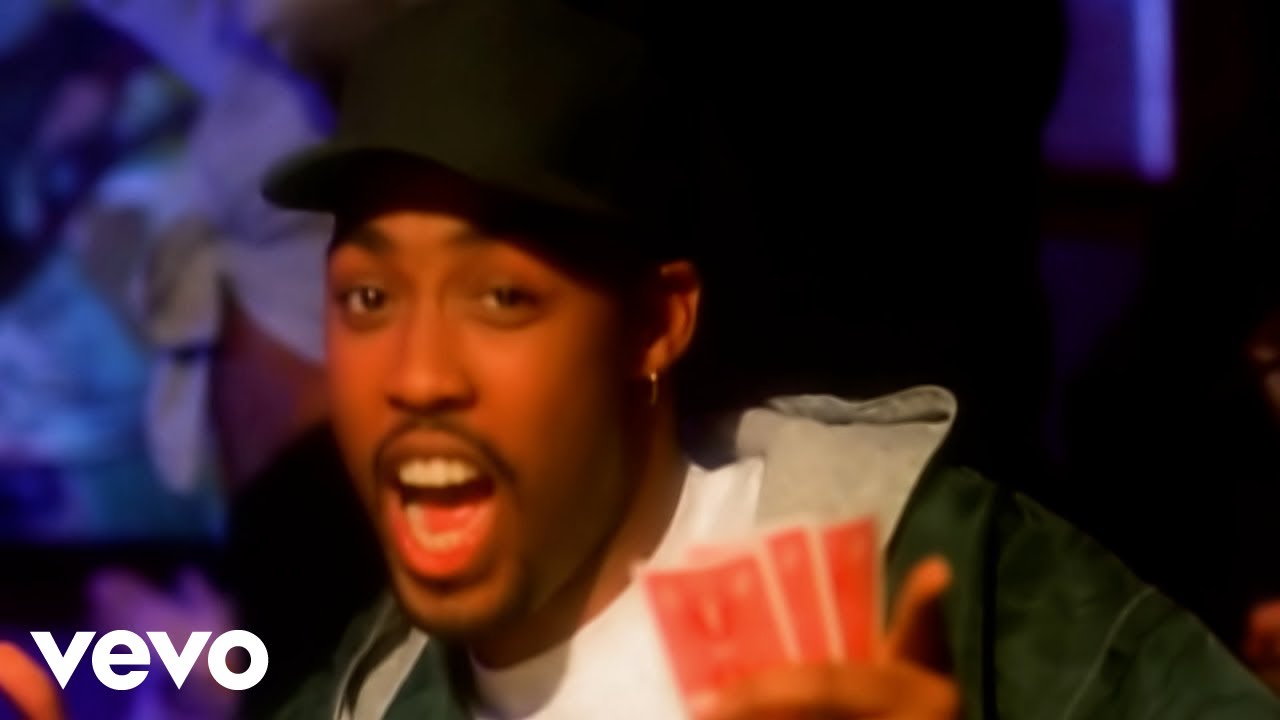
"This Is How We Do It"
Friday night, and the party's here: Montell Jordan's debut single rode a Slick Rick sample to seven straight weeks at number one in the spring of 1995. A South Central kid with a Pepperdine degree who had been making TV infomercials, he wrote an anthem that has followed him from halftime shows to The Masked Singer.
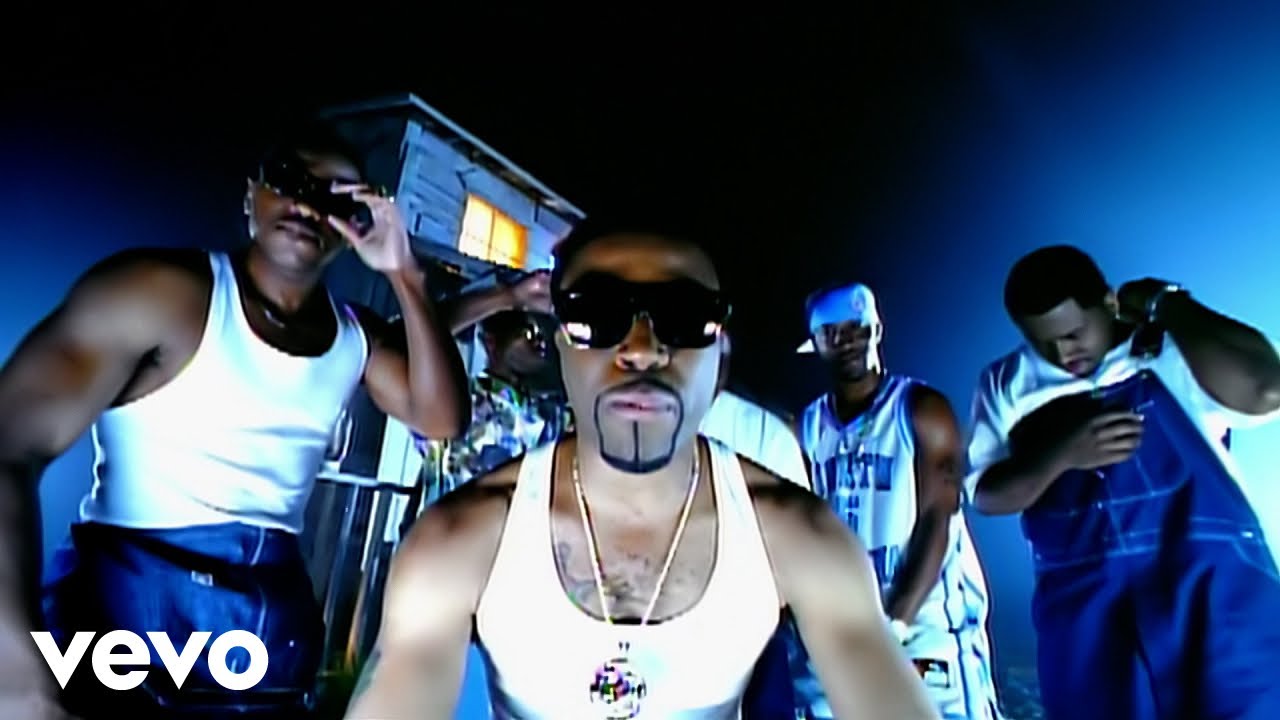
No Diggity
That piano loop, that Bill Withers sample, Dr. Dre's shoulder-brushing opening rap — 'No Diggity' was instant cool in 1996 and has never once stopped being cool since. Blackstreet's smooth-with-an-edge chart-topper is the 90s R&B song everybody still knows every word to.
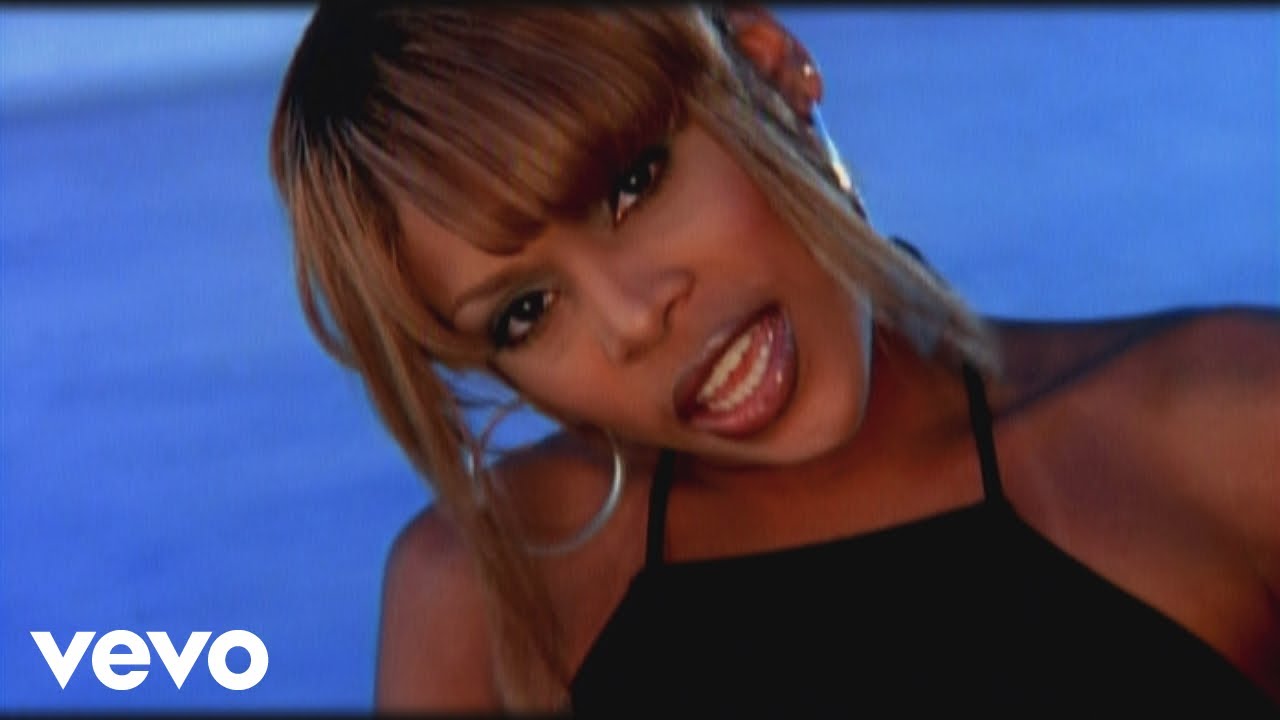
TLC
The best-selling American girl group since the Supremes. T-Boz, Left Eye, and Chilli fused hip-hop, R&B, and a playful safe-sex message into era-defining hits — "Waterfalls," "No Scrubs," "Creep" — in baggy streetwear that a generation copied.
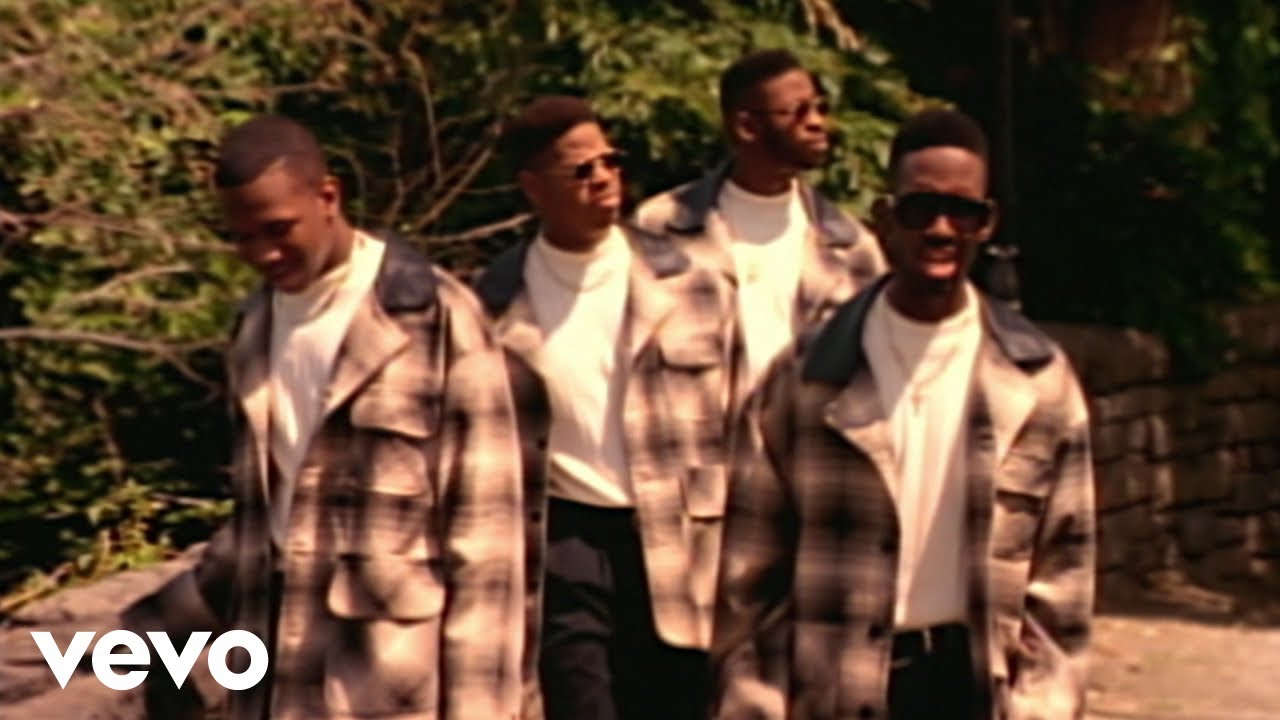
Boyz II Men
Four Philly harmonies that owned the 90s Billboard chart like nobody before them. Boyz II Men didn't just top the Hot 100 — they kept breaking the record for how long a song could stay there, soundtracking every slow dance of the decade along the way.