"This Is How We Do It"
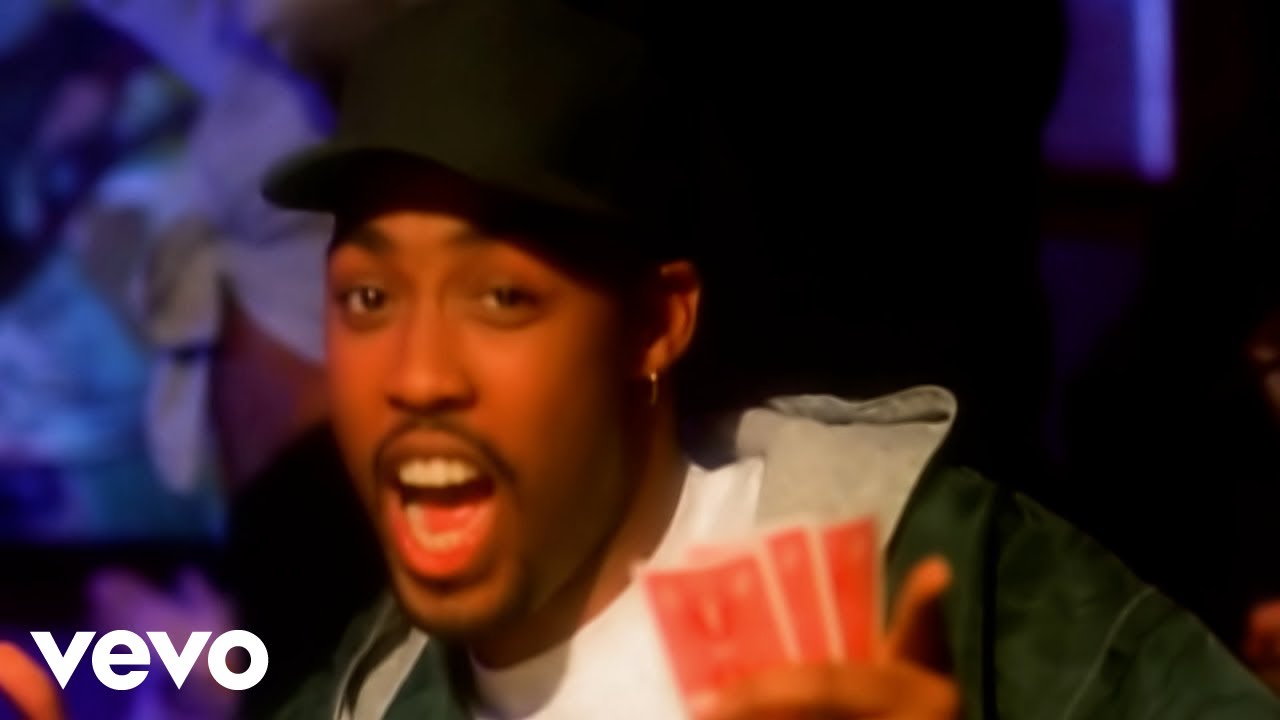
Friday night, and the party's here: Montell Jordan's debut single rode a Slick Rick sample to seven straight weeks at number one in the spring of 1995. A South Central kid with a Pepperdine degree who had been making TV infomercials, he wrote an anthem that has followed him from halftime shows to The Masked Singer.
Montell Jordan was born in South Central Los Angeles in 1968 into a Baptist family, played piano for his church, took a communications degree at Pepperdine, and after graduating in 1991 went to work at Williams Television Time making TV infomercials. He cut a mix-tape, flew to New York with Russell Simmons, and signed to Def Jam in 1995 — only the second R&B artist on a label built on rap.
"This Is How We Do It" was his debut single, released in February 1995 as the lead track from an album of the same name. Written with producer Oji Pierce, it is a tribute to South Central party culture: Jordan sings over an enhanced Teddy Riley drum sample of Slick Rick's Def Jam hit "Children's Story," which itself borrows the bass line of Bob James's "Nautilus." Jordan called the song a "reflection of what street life was for a kid who grew up in the neighborhood." Hype Williams directed the video, which opens on a house party.
On April 15, 1995, the single jumped from number six to number one on the Hot 100, displacing Madonna's "Take a Bow," and stayed there for seven consecutive weeks, matched by seven weeks atop the R&B chart. It sold a million copies for a platinum certification, earned a Grammy nomination for Best Male R&B Vocal Performance, and carried the album past a million copies.
"Somethin' 4 da Honeyz" reached number 21, "Let's Ride" with Master P and Silkk the Shocker was a hit in 1998, and "Get It On Tonite" peaked at number four the year after; Jordan also wrote and produced Deborah Cox's "Nobody's Supposed to Be Here" and Sisqó's number-one "Incomplete." He left Def Soul in 2003 over artistic differences, and in 2010, during a fast at Victory World Church in Norcross, Georgia, he said God told him to quit the music industry; he became the church's worship leader. The song never needed him to release another: halftime shows and The Late Late Show in 2015 and 2016, the American Idol finale in 2019, The Masked Singer as the Panther in 2022.
Similar items
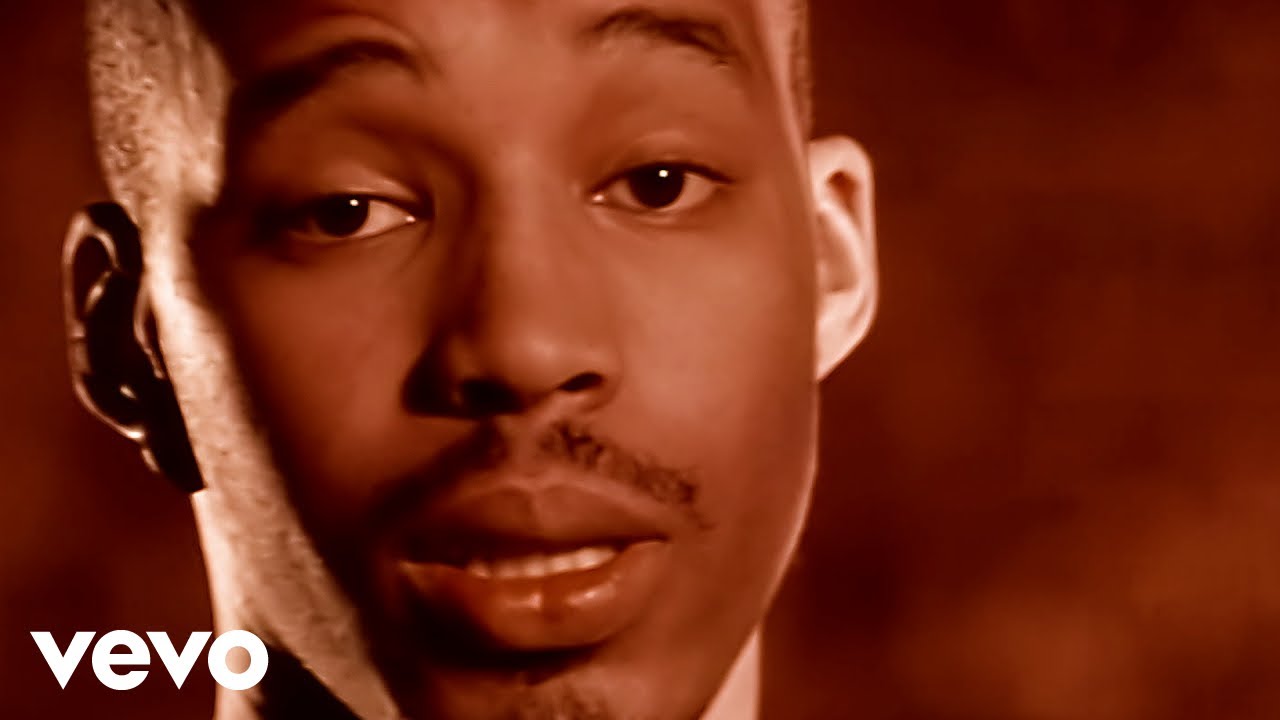
"Regulate"
A four-bar Michael McDonald loop, a line lifted from Young Guns, and two Long Beach friends telling a story with no chorus. "Regulate" spent three weeks at number two in May 1994 and became Def Jam's biggest single: Warren G gets robbed at a dice game, Nate Dogg rides in, and they leave with the girls.
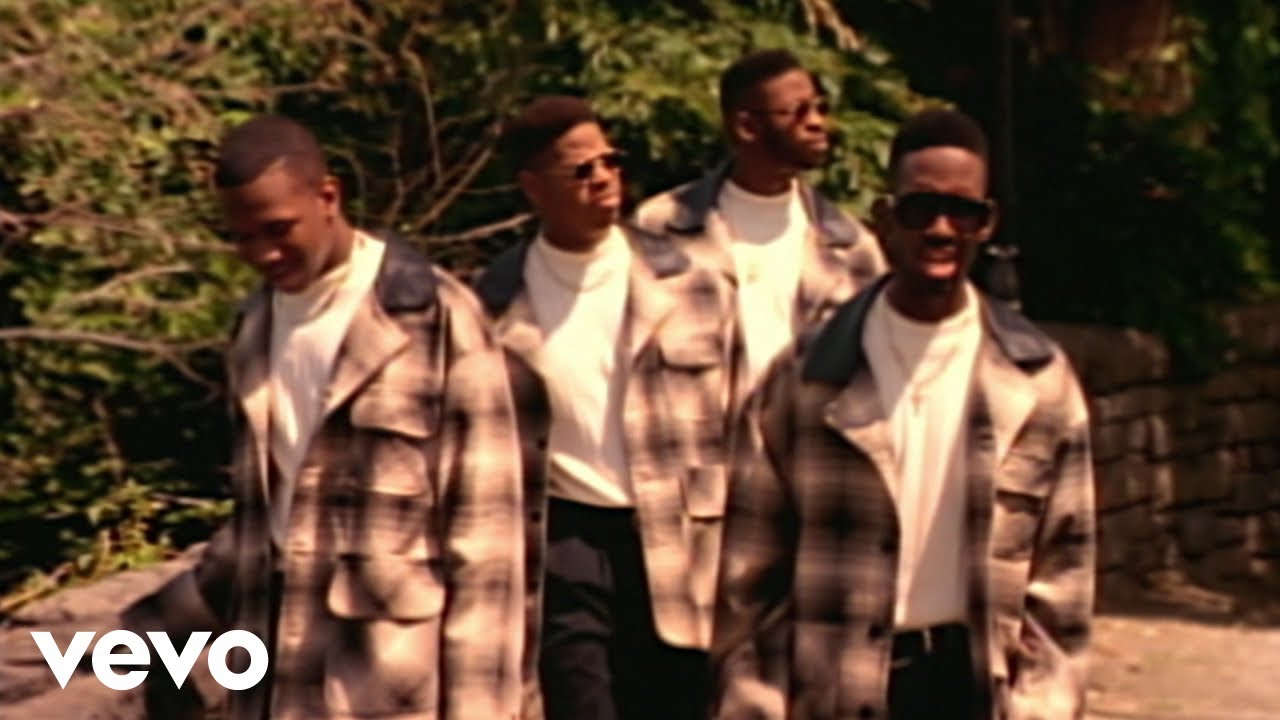
Boyz II Men
Four Philly harmonies that owned the 90s Billboard chart like nobody before them. Boyz II Men didn't just top the Hot 100 — they kept breaking the record for how long a song could stay there, soundtracking every slow dance of the decade along the way.
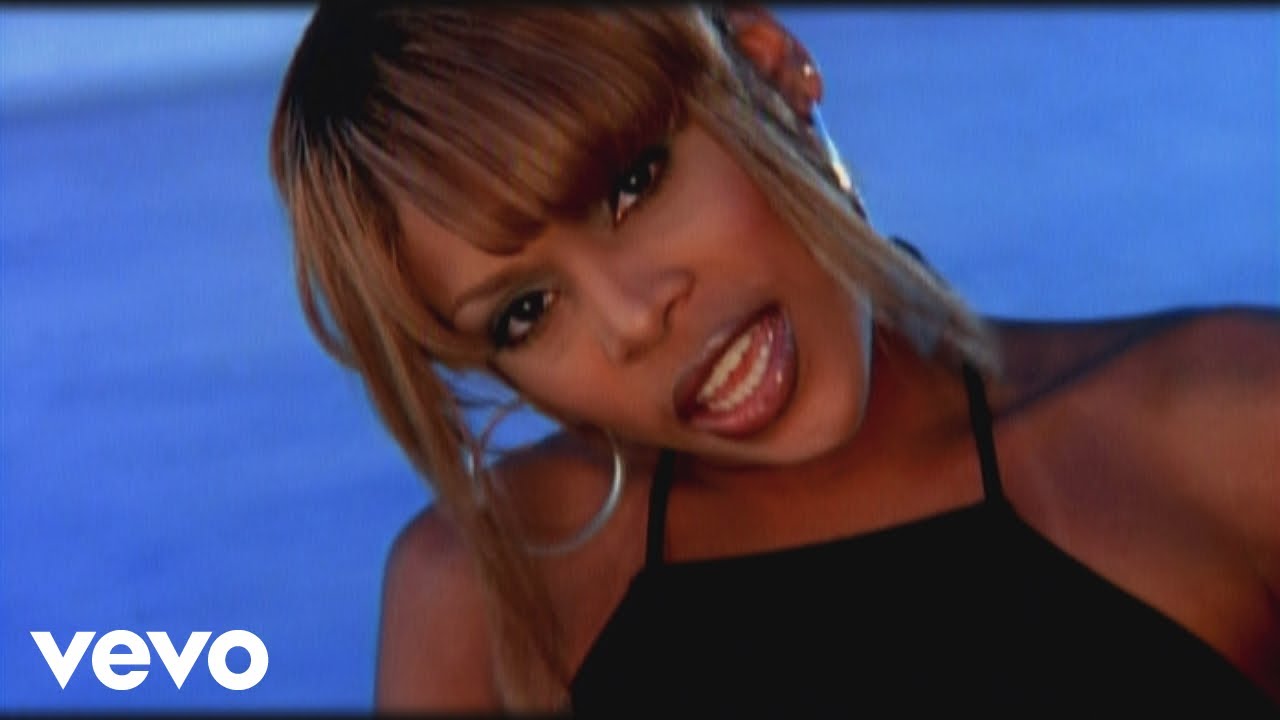
TLC
The best-selling American girl group since the Supremes. T-Boz, Left Eye, and Chilli fused hip-hop, R&B, and a playful safe-sex message into era-defining hits — "Waterfalls," "No Scrubs," "Creep" — in baggy streetwear that a generation copied.

"Baby Got Back"
"Oh, my God, Becky — look at her butt." Sir Mix-a-Lot's anthem to big butts spent five weeks at number one, got briefly banned by MTV, won a Grammy, and never once left the party playlist.