No Diggity
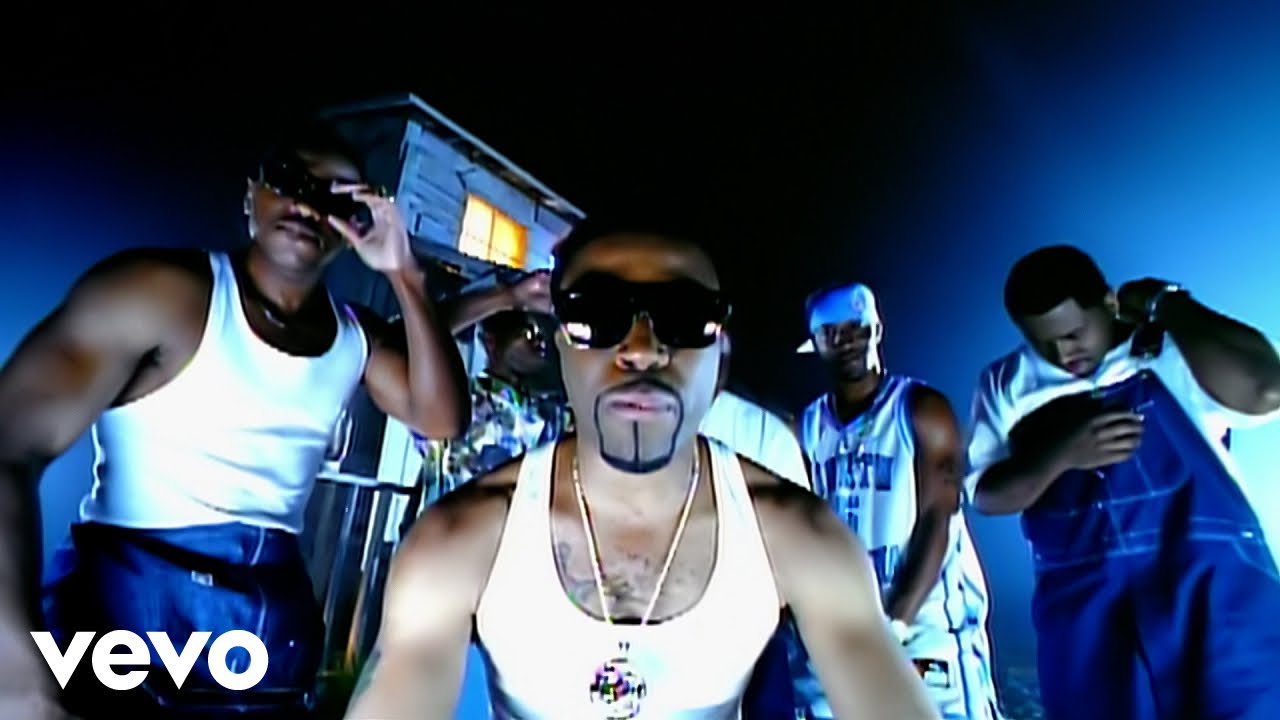
That piano loop, that Bill Withers sample, Dr. Dre's shoulder-brushing opening rap — 'No Diggity' was instant cool in 1996 and has never once stopped being cool since. Blackstreet's smooth-with-an-edge chart-topper is the 90s R&B song everybody still knows every word to.
Teddy Riley — the producer who invented new jack swing with Guy and helped define the sound of late-80s and 90s R&B — built 'No Diggity' around an altered sample from the opening of Bill Withers' 'Grandma's Hands.' He offered it first to Guy during their 1996 reunion, and as he told it later, 'None of the guys liked it.' So he took it to his other group, Blackstreet, brought in Dr. Dre — whose opening rap tips its hat to Riley's Wreckx-n-Effect with the line 'the original rump shakers' — plus a verse from rapper Queen Pen, and sang the opening verse himself.
Interscope released it on July 29, 1996 as the first single from Blackstreet's second album, Another Level, and Guy's loss became one of the defining singles of the decade. 'No Diggity' hit number one on the Billboard Hot 100, topped charts in Iceland and New Zealand too, sold 1.6 million copies in 1996 alone, and holds a genuine piece of trivia: it was the final number-one on Cash Box magazine's Top 100 Pop Singles chart. Hype Williams directed the music video. At the 1998 Grammys it won Best R&B Performance by a Duo or Group with Vocals.
The song's afterlife has been as charmed as its debut: VH1 ranked it number 32 on its 100 Greatest Songs of the '90s, Rolling Stone and MTV put it on their 100 Greatest Pop Songs list, and a new generation met it through the a cappella riff-off in Pitch Perfect. Few singles have aged so little — play those first four bars at any party and watch the room react.
Similar items
![Video thumbnail — Dr Dre - Nuthin' But A "G" Thang [Official Music Video]](https://i.ytimg.com/vi/8GliyDgAGQI/hqdefault.jpg)
Dr. Dre — The Chronic
Dr. Dre's solo debut, released December 15, 1992, defined G-funk—whining synth leads over deep bass and laid-back drawl—and introduced Snoop Doggy Dogg to the world as the breakout star. The Chronic went multi-platinum, won a Grammy, hit #2 on the Hot 100 with 'Nuthin' but a 'G' Thang,' and reshaped the sound of hip-hop radio for the rest of the decade.
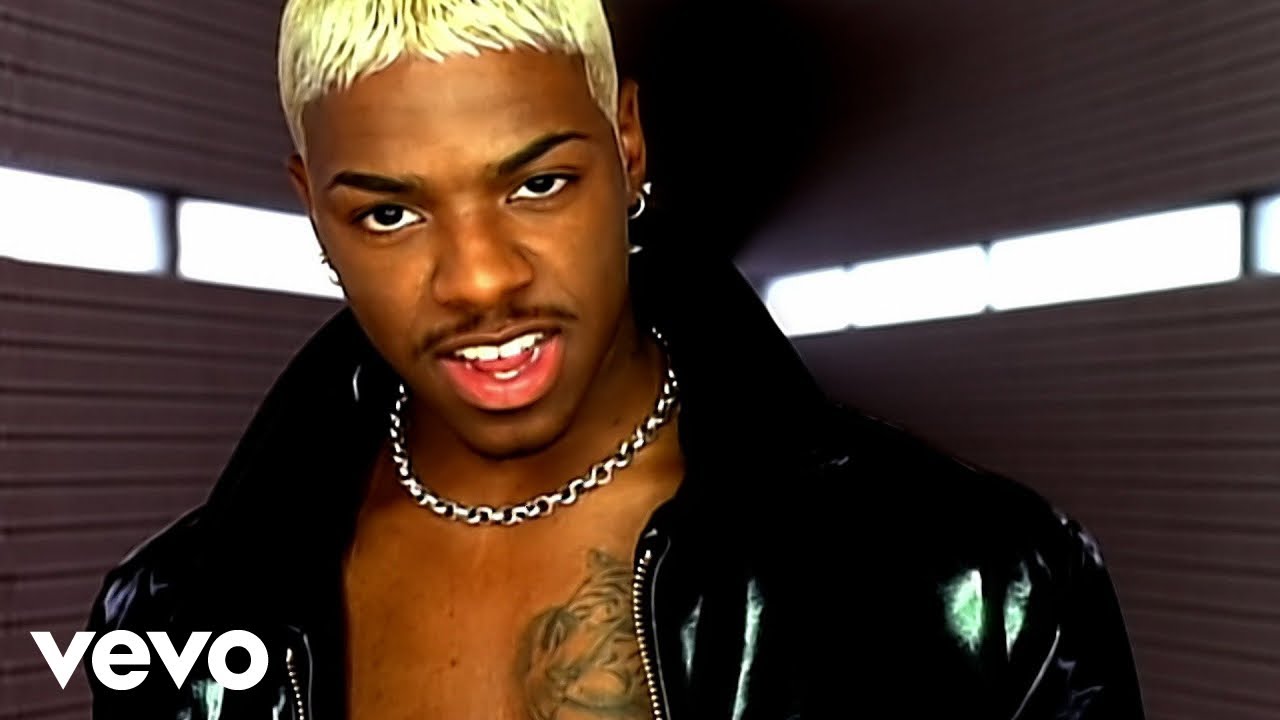
Dru Hill
Baltimore's harmony-stacked R&B quartet — Sisqó, Nokio, Jazz, and Woody — behind late-'90s slow jams like "In My Bed" and "Never Make a Promise." Named after the city's Druid Hill Park, they were one of the defining male R&B groups of the era, right up until Sisqó's platinum-blond "Thong Song" solo fame both lifted the group and splintered it.

Thong Song (Sisqó)
The platinum-blond Dru Hill frontman's solo signature — a 2000 smash so ubiquitous you couldn't escape it. 'She had dumps like a truck, truck, truck...' Sisqó turned a string section, a booming beat, and one very specific ode into the sound of that summer.

"Baby Got Back"
"Oh, my God, Becky — look at her butt." Sir Mix-a-Lot's anthem to big butts spent five weeks at number one, got briefly banned by MTV, won a Grammy, and never once left the party playlist.