Teenage Mutant Ninja Turtles (1990 film)
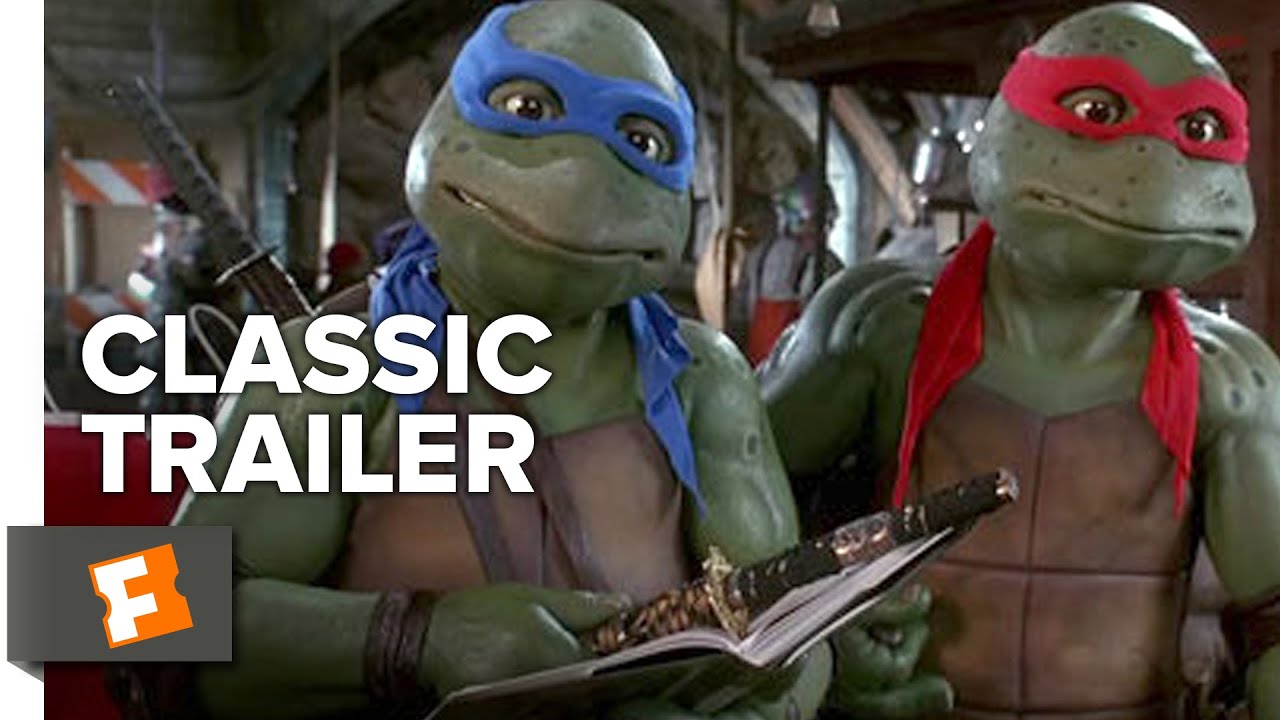
The turtles weren't cartoons anymore — they were full-scale animatronic suits in a 1990 film that upended what kids thought they knew. New Line Cinema's take was grittier and darker, pulling from the early comics rather than the toy-aisle sweetness of the animated series. Shot for $13.5 million, it became a sleeper phenomenon, earning over $202 million worldwide. The turtle suits were built by Jim Henson's Creature Shop — one of Henson's last projects before his death just weeks after the premiere.
By the late 1980s, Teenage Mutant Ninja Turtles were everywhere — cartoons, action figures, "cowabunga" in the vernacular. But the franchise had started in darker, grittier comics with a tone miles away from the Saturday-morning show. When director Steve Barron adapted it for film in 1990, he pulled from the early comics rather than the cartoon's camp, creating something surprisingly serious — live turtles (animatronic), shadowy New York, Shredder as an actual threat.
The realism came from Jim Henson's Creature Shop in London, which built the four turtle suits with meticulous detail. It was one of Henson's last projects before his death just weeks after the March 30 premiere. The $13.5 million budget was modest, but the gamble paid off: $202 million worldwide, widely reported at the time as the highest-grossing independent film ever. Audiences showed up in droves.
The magic was in that collision — a franchise already absorbed through Saturday-morning repetition, suddenly made serious and tactile. Kids who'd watched cartoon Michelangelo crack jokes came face-to-face with a grittier version that felt real, that moved like actors in suits, that inhabited an actual New York. The tonal shift wasn't alienating; it felt like permission to like something cooler, with more edges. The animatronics have a weight and presence that time hasn't dimmed.
Two sequels followed quickly: "The Secret of the Ooze" in 1991 and a third film in 1993. The trilogy cemented the Turtles' place in '90s nostalgia — this strange, earnest hybrid that took the source material seriously while still being fun.
Similar items

Teenage Mutant Ninja Turtles Arcade
Konami's 1989 beat-em-up starred four turtles, infinite pizza, and quarter-guzzling boss fights. Teenage Mutant Ninja Turtles Arcade was a four-player coin-op sensation: pick a turtle, bash foot soldiers, work through a story ripped straight from the cartoon. The 1990 NES port added new levels and Pizza Hut advertisements, securing its place in gaming legend.

Super Mario Bros. (1993 film)
What if Mario's Mushroom Kingdom wasn't cheerful, but a dystopian nightmare? Super Mario Bros. (1993) boldly attempted that reimagining, transforming the game's world into Dinohattan—a grimy parallel dimension where dinosaurs had evolved into humanoids. Bob Hoskins played Mario, John Leguizamo his brother Luigi, and the brothers traveled there to rescue Princess Daisy from King Koopa. The film flopped at the box office and earned scathing reviews, but it eventually developed a loyal cult following who celebrate its ambitious practical effects and creature design.

10 Things I Hate About You
A witty modernization of Shakespeare's The Taming of the Shrew transplanted to a Seattle-area high school, starring Julia Stiles and Heath Ledger. A modest hit in theaters, it grew into a generational classic and launched the breakout careers of its three young leads.
![Video thumbnail — Beavis and Butthead Do America (1996) Theatrical Trailer [4K] [5.1] [FTD-1015]](https://i.ytimg.com/vi/RzYWKWtRmzQ/maxresdefault.jpg)
Beavis and Butt-Head Do America
MTV's cackling couch potatoes trade their couch for a cross-country road trip when their TV gets stolen. It's chaotic, it's vulgar, and it opened #1 with the biggest December weekend any film had ever managed at the time. Mike Judge's feature debut turned a controversial TV phenomenon into a theatrical event that felt impossibly big.