Super Mario Bros. (1993 film)

What if Mario's Mushroom Kingdom wasn't cheerful, but a dystopian nightmare? Super Mario Bros. (1993) boldly attempted that reimagining, transforming the game's world into Dinohattan—a grimy parallel dimension where dinosaurs had evolved into humanoids. Bob Hoskins played Mario, John Leguizamo his brother Luigi, and the brothers traveled there to rescue Princess Daisy from King Koopa. The film flopped at the box office and earned scathing reviews, but it eventually developed a loyal cult following who celebrate its ambitious practical effects and creature design.
When Hollywood Pictures released Super Mario Bros. on May 28, 1993, directors Rocky Morton and Annabel Jankel made a daring artistic bet. Instead of adapting the games' bright, cheerful Mushroom Kingdom, they built Dinohattan—a grimy, dystopian parallel dimension where dinosaurs had evolved into humanoid civilization. Brothers Mario and Luigi, played by Bob Hoskins and John Leguizamo, traveled to this dark underworld to rescue Princess Daisy from King Koopa. It was visually ambitious and thematically bold, and unmistakably different from anything in the source material.
The production, however, became a cautionary tale. The script underwent constant rewrites even as cameras rolled, leaving the cast adrift. Bob Hoskins would later call those weeks the worst experience of his career—a nightmare he publicly regretted for years afterward. John Leguizamo faced the same chaos, and both actors admitted to drinking before filming in order to cope. Despite a substantial budget of $42–48 million, the film grossed only $38.9 million worldwide, making it a major financial disaster.
Critics panned it harshly and immediately. But in the decades since, something remarkable happened: the film found a devoted cult audience. Fans who returned to it years later discovered unexpected merit in its handcrafted practical sets and creature design. The filmmakers' ambition, which critics had dismissed as misguided, began to look like earnest artistry when viewed in retrospect. Widely cited as Hollywood's first live-action movie based on a video game, it went from punchline to cult object — a film with passionate defenders who appreciate its daring vision and practical craftsmanship.
Similar items

Super Mario 64
The game that showed the world what 3D could be. Super Mario 64 launched the Nintendo 64 by dropping Mario into an open, explorable castle, and its analog-stick control and swooping camera quietly wrote the rulebook every 3D platformer would follow.

Super Mario World
The SNES launch title that introduced Yoshi and redefined what a platformer could be. Mario's dinosaur companion, cape-feather flight, and the hunt for all 96 exit-goals kept millions of players glued to their TVs throughout the decade.
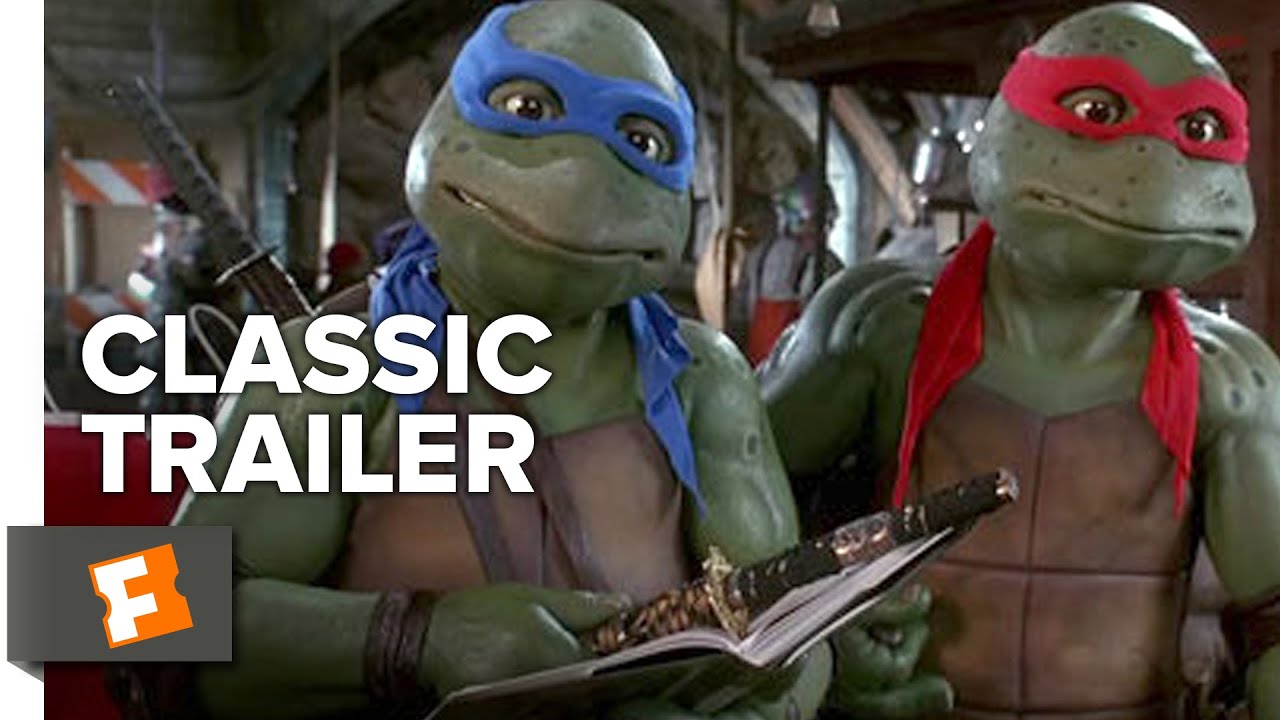
Teenage Mutant Ninja Turtles (1990 film)
The turtles weren't cartoons anymore — they were full-scale animatronic suits in a 1990 film that upended what kids thought they knew. New Line Cinema's take was grittier and darker, pulling from the early comics rather than the toy-aisle sweetness of the animated series. Shot for $13.5 million, it became a sleeper phenomenon, earning over $202 million worldwide. The turtle suits were built by Jim Henson's Creature Shop — one of Henson's last projects before his death just weeks after the premiere.

Luigi's Mansion
Mario's brother finally got top billing—as the nervous lead of Nintendo's GameCube launch. Luigi wins a mansion in a contest he never entered, finds it haunted, loses Mario inside, and armed with a ghost-catching vacuum cleaner, nervously hums his way through rooms of poltergeists. The Poltergust 3000 was ingenious enough to spawn a franchise.