#Magazine

11 items

Video thumbnail — CosmoGIRL! March 2006 vintage magazine flip-through
Books 1999–2008

CosmoGirl

Hearst's teen spin-off of Cosmopolitan, the glossy with the exclamation point that lived in school bags from 1999 to 2008. A 26-year-old fashion editor dreamed it up in 48 hours, it grew to a circulation of 1.25 million, and when it folded, subscribers got Seventeen in the mail instead.

Video thumbnail — GamePro TV 1992
Video Games 1989–1999 peak

Gaming Magazines (GamePro, Game Players)

The glossy gaming magazines you subscribed to with the little bind-in postcard — GamePro, Game Players, and their newsstand rivals. Multi-platform reviews, screenshot-packed previews, and pages of cheat codes you copied out by hand before a big weekend.

Video thumbnail — How to Lose a Guy in 10 Days (2003) official trailer

How to Lose a Guy in 10 Days

The love fern, the scrapbook of future children, the Knicks game she ruins and the yellow dress. Kate Hudson and Matthew McConaughey each ran a bet on the other for ten days in the 2003 rom-com that critics shrugged at and audiences graded A-minus.

Video thumbnail — Martha Stewart Living Thanksgiving show, circa 1990s (Lifetime)
Celebrities 1990–1999 peak

Martha Stewart

The woman who turned folding a fitted sheet into an empire. Through the 90s, Martha Stewart's magazine, TV show, and Kmart aisles made impossibly perfect domesticity — the glue gun, the good things, the hand-glazed everything — into mass entertainment your mom couldn't look away from.

the MAXIM wordmark
Trends 1997–2008 peak

Maxim

The "lad mag" that lived on every barbershop shelf and older brother's bedroom floor. Maxim brought cover models, cheeky lists, gear reviews, and the famous Hot 100 to millions of readers in the early 2000s—a condensed, irreverent take on lifestyle media that dominated dorms and waiting rooms.

Video thumbnail — Nickelodeon Magazine Commercial- 1993
Books 1993–2009

Nickelodeon Magazine

The kids' magazine that brought Nickelodeon into mailboxes nationwide, packed with comics, pranks, gross-out humor, and celebrity features. Published from 1993 to 2009, it was the must-read subscription for 1990s and 2000s kids.

Video thumbnail — 1990 Nintendo Power Commercial
Books 1988–2012

Nintendo Power

Nintendo's official magazine and the pre-internet bible for stuck kids everywhere. Nintendo Power came packed with glossy fold-out maps, pull-out strategy guides, previews of games you couldn't afford yet, and the exact secret you needed to get past that one impossible level.

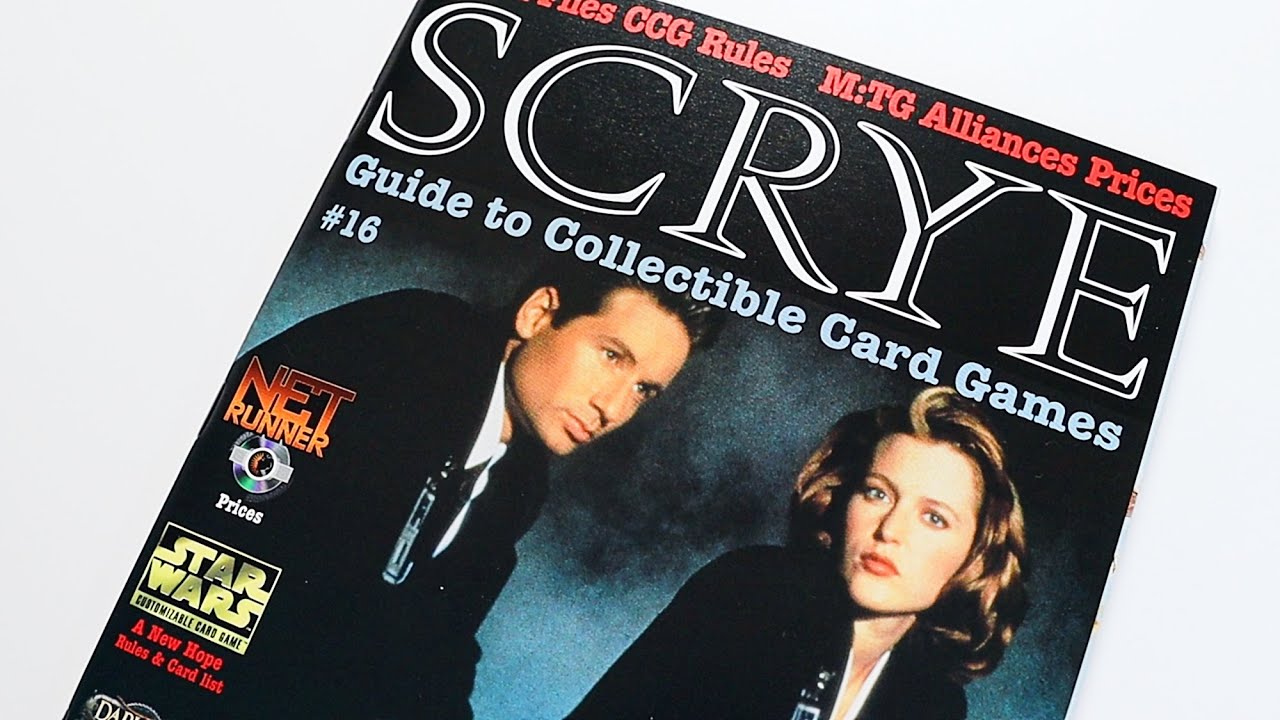
Video thumbnail — What's Inside? - SCRYE Guide To Collectible Card Games (CCG) Magazine #16 (September 1996) Unboxing
Tabletop Games 1994–2009

Scrye Magazine

The magazine that told you what your Magic cards were actually worth. Scrye was the price-guide bible of the trading-card-game boom — the fold-out list of secondary-market values you scoured to see if your rare was your ticket to riches.

Video thumbnail — Top 20 Sports Illustrated Covers of the 1990s
Books 1954–present

Sports Illustrated

The magazine that turned every week into an event—full-color photographs of the biggest sports moments, waiting in your mailbox. From the swimsuit issue to SI for Kids in the classroom, Sports Illustrated was how America looked at sports in the pre-internet era. Each weekly delivery was the moment the season's story officially arrived.

Video thumbnail — The Devil Wears Prada (2006) trailer

The Devil Wears Prada

"Florals? For spring? Groundbreaking." Meryl Streep's whisper-quiet Miranda Priestly, the cerulean sweater speech, the red stiletto with the pitchfork heel. The 2006 film out-earned every previous movie of its three leading women, ran as counter-programming to Superman Returns, and defined what a personal assistant looks like in the public imagination.

Video thumbnail — Zoobooks (original commercial)
Books 1980–present

Zoobooks

The glossy wildlife magazine that arrived in your mailbox, each issue a deep dive into a single animal. But the TV commercial — promising a free elephant issue and a tiger poster if you called the 1-800 number — ran on infinite repeat in 90s kids' blocks, embedding itself in the memory of everyone who never got that poster.