Sailor Moon

The Japanese magical-girl anime that took North America the long way around: transformation sequences, a talking cat, saving the world in a sailor uniform, and a catchphrase declaimed on a thousand playgrounds. By the time Toonami got hold of it, you couldn't escape it.
Naoko Takeuchi's manga began serialization in December 1991, and Toei Animation's anime adaptation ran in Japan from 1992 to 1997, spanning 200 episodes. The English-language road was rocky. DiC's dub premiered in 1995 — August 28 in Canada on YTV, then September 11 in US syndication — and transformed Usagi Tsukino into Serena. Covering the first two seasons, it was buried in dead weekday timeslots (9 a.m. and 2 p.m.) where it flopped in the ratings, and production halted in November 1995.
But the fans wouldn't let it die. A petition with over 12,500 signatures pushed for its return, and USA Network began airing reruns in June 1997. Then came the real breakthrough: on June 1, 1998, the series joined Toonami's weekday-afternoon lineup on Cartoon Network. The ratings took off, and the remaining seventeen dubbed episodes finally aired starting November 30, 1998. Cloverway's dubs of the S and SuperS seasons followed in 2000 with less censorship. "In the name of the Moon, I'll punish you!" became a playground declaration.
The scale of the thing was enormous: the manga has sold over 46 million copies worldwide, the franchise has generated over $2.5 billion in merchandise sales, and by 1995 Japan alone was earning more than $250 million a year from Sailor Moon merchandise. Viz Media re-dubbed the entire original series beginning in 2014, the same year the reboot Sailor Moon Crystal premiered. For 90s kids, this was the magical-girl gateway — running beside Dragon Ball Z in the after-school lineup, transformation sequences and all.
Similar items
Toonami
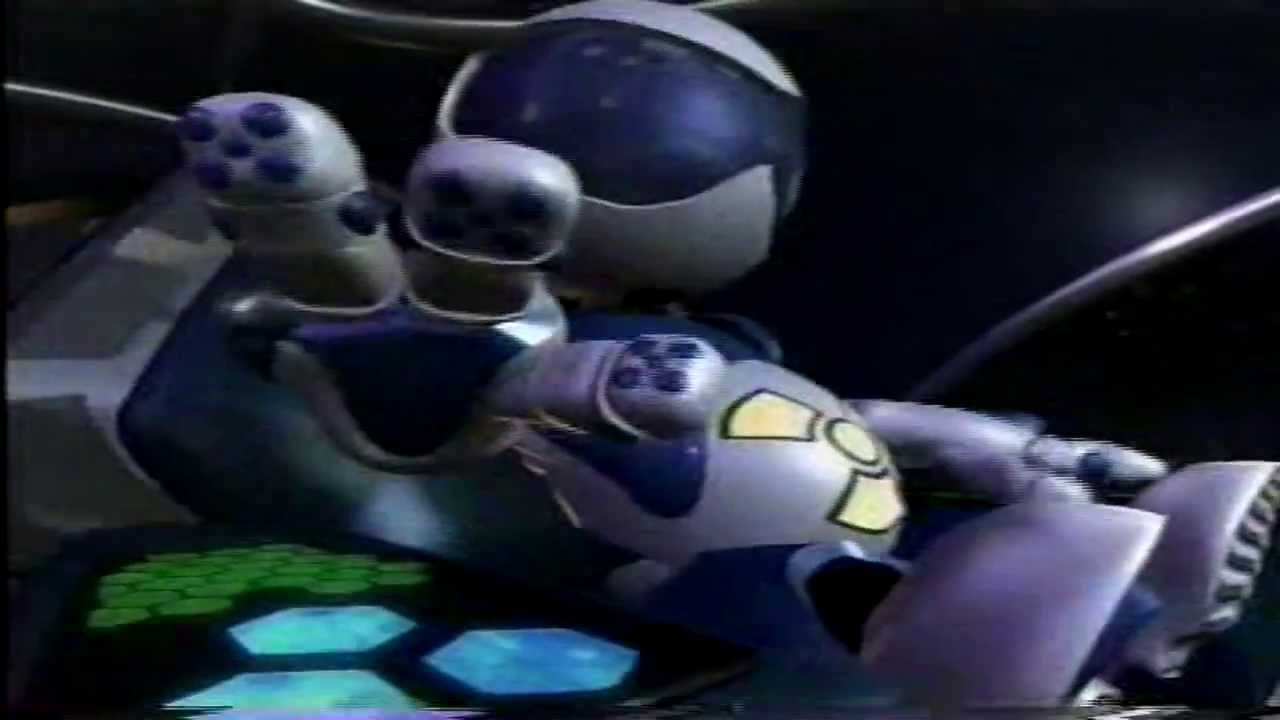
Cartoon Network's action block where a generation of American kids met anime. Hosted first by Moltar, then by TOM — the robot captain of the Absolution — it made Dragon Ball Z and Sailor Moon after-school rituals and treated its young audience like the stories mattered.

Dragon Ball Z
The after-school anime that taught a generation of American kids the words "Super Saiyan." Adapted from Akira Toriyama's manga and animated by Toei, Dragon Ball Z turned multi-episode power-ups, screaming energy charges, and glowing gold hair into appointment television — most of all on Cartoon Network's Toonami block.

Naruto
A young ninja in an orange jumpsuit, ostracized by his village, dreams of becoming Hokage. Naruto Uzumaki's long-running shonen saga about friendship and determination became the hook that pulled American kids into anime culture.

Code Lyoko
Four boarding-school kids, a supercomputer in an abandoned factory, and a virtual world under attack by a rogue AI. The French import where every episode could end with a 'Return to the Past' — and only the heroes remembered any of it.