Popped Collars
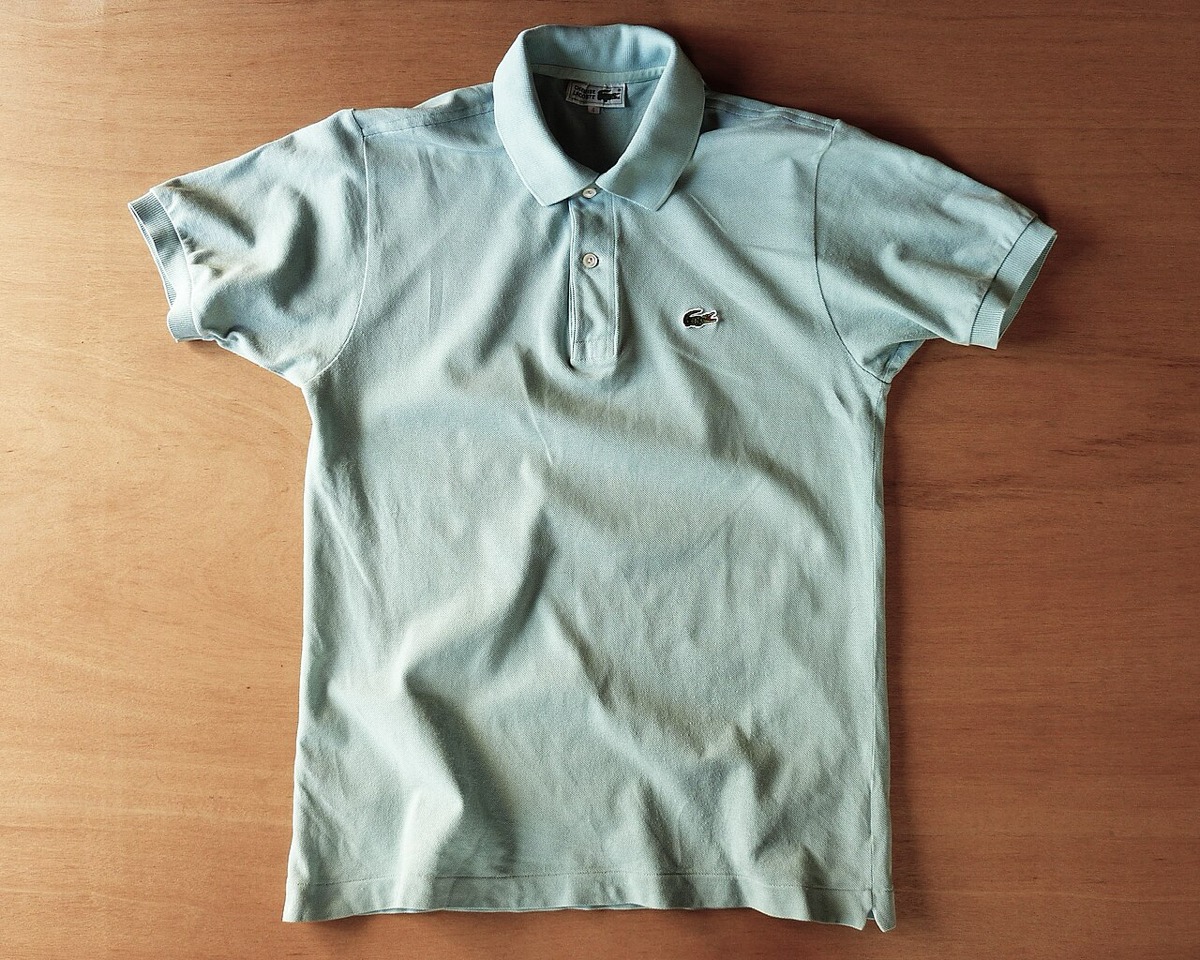
Collar up. Sometimes two collars up, on two polos at once. The mid-2000s ritual that turned a tennis sun-shield into the international symbol of mall prep — and then, almost as fast, into a punchline.
The popped collar has a legitimate athletic alibi: René Lacoste's original 1926 tennis shirt — the loosely knit piqué cotton polo he wore at that year's U.S. Open — had a flat, unstarched collar deliberately designed so it could be worn upturned to protect the neck from the sun. Lacoste commercialized the shirt with the crocodile logo in 1933, Ralph Lauren rebranded the tennis shirt as the "polo shirt" for his preppy-aspirational Polo line in 1972, and the collar-up look became a country-club and preppy signature, popularized in the early 1980s with polo shirts.
Then the 2000s happened. The look shed its blue-blood roots and went fully mainstream through the teen mall-brand trinity — Abercrombie & Fitch, Hollister, and American Eagle — where the popped collar stopped being sun protection or even preppy code and became pure peacocking. At the trend's mid-2000s peak, one collar wasn't enough: the fully committed wore two polo shirts at once, both collars popped. School hallways and college quads filled with layered cotton piqué, and the popped collar fused with frat culture into a whole persona — sunglasses indoors, puka shells optional.
The backlash was built in. Few 2000s fashion statements went from status symbol to punchline faster; by the decade's end the popped collar had become shorthand for a very specific kind of guy, mocked in sketches and memes, and collars quietly folded back down. It resurfaces now as Y2K-nostalgia costume — instantly legible, faintly embarrassing, and weirdly beloved, like most things everyone did at sixteen.
Similar items
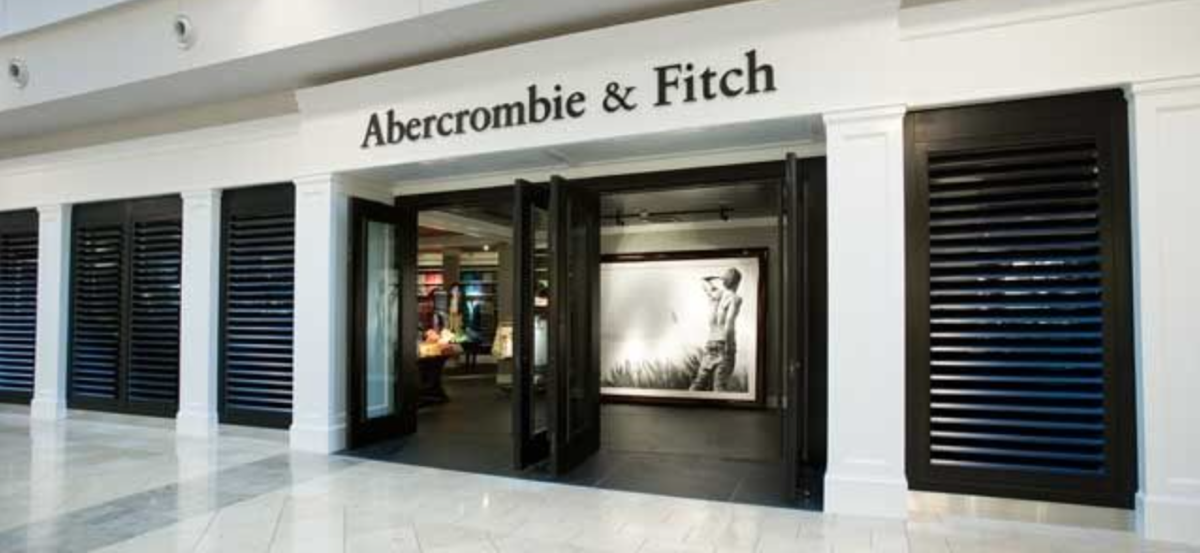
Abercrombie & Fitch
The dim-lit mall temple with impossibly loud music, a signature cologne so thick it hit you at thirty paces, and shopping bags plastered with shirtless male models. The Abercrombie & Fitch moose logo on polos and tees became a middle-school currency of cool in the 2000s. Wearing it meant you had money, taste, or both—or at least that's what everyone pretended to think. The brand launched its spinoff, Hollister, in 2000, spreading the gospel even wider.
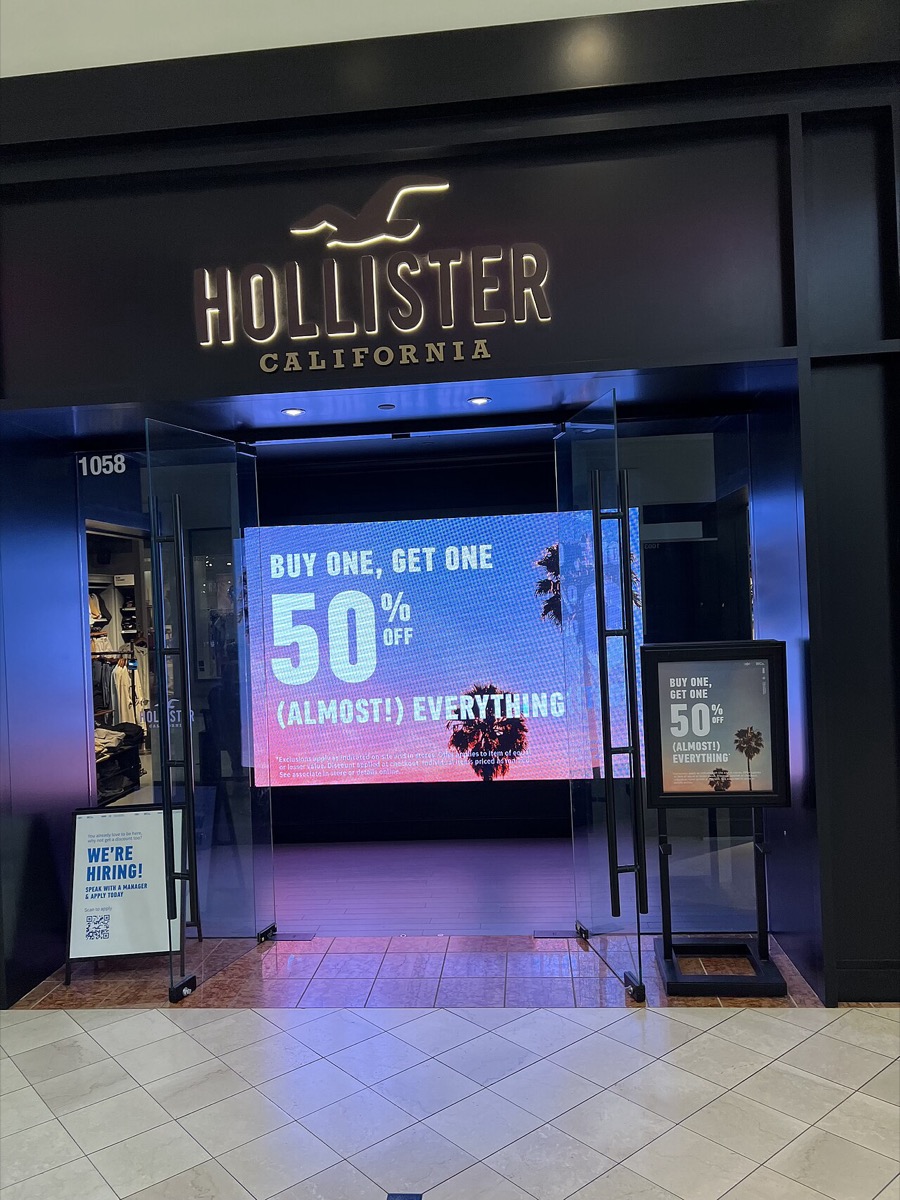
Hollister Co.
Abercrombie & Fitch's Southern-California-surf-themed spinoff brand, launched in 2000 and aimed at teens. Hollister stores were deliberately dim, cave-like spaces with beachy decor, a seagull logo, and an overwhelming signature cologne. Logo hoodies and tees were a 2000s teen status marker.
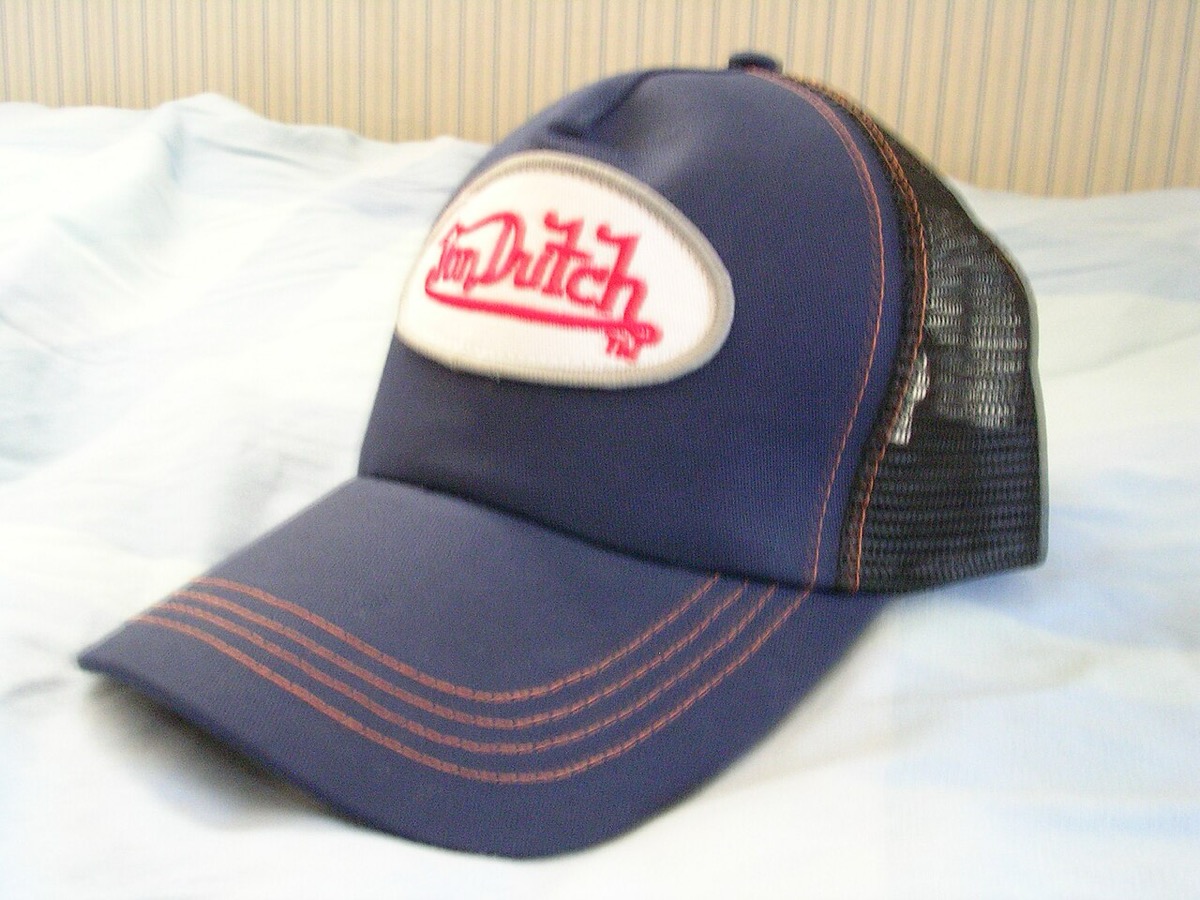
Von Dutch Trucker Hats
The mesh-backed, foam-front trucker cap that became a mid-2000s celebrity status symbol under the Von Dutch brand. Worn and photographed constantly by celebrities like Ashton Kutcher, Paris Hilton, and Britney Spears, the Von Dutch trucker hat turned a humble working-man's accessory into a pricey fashion flex. It defined—and quickly dated—the Y2K era.
Shutter Shades
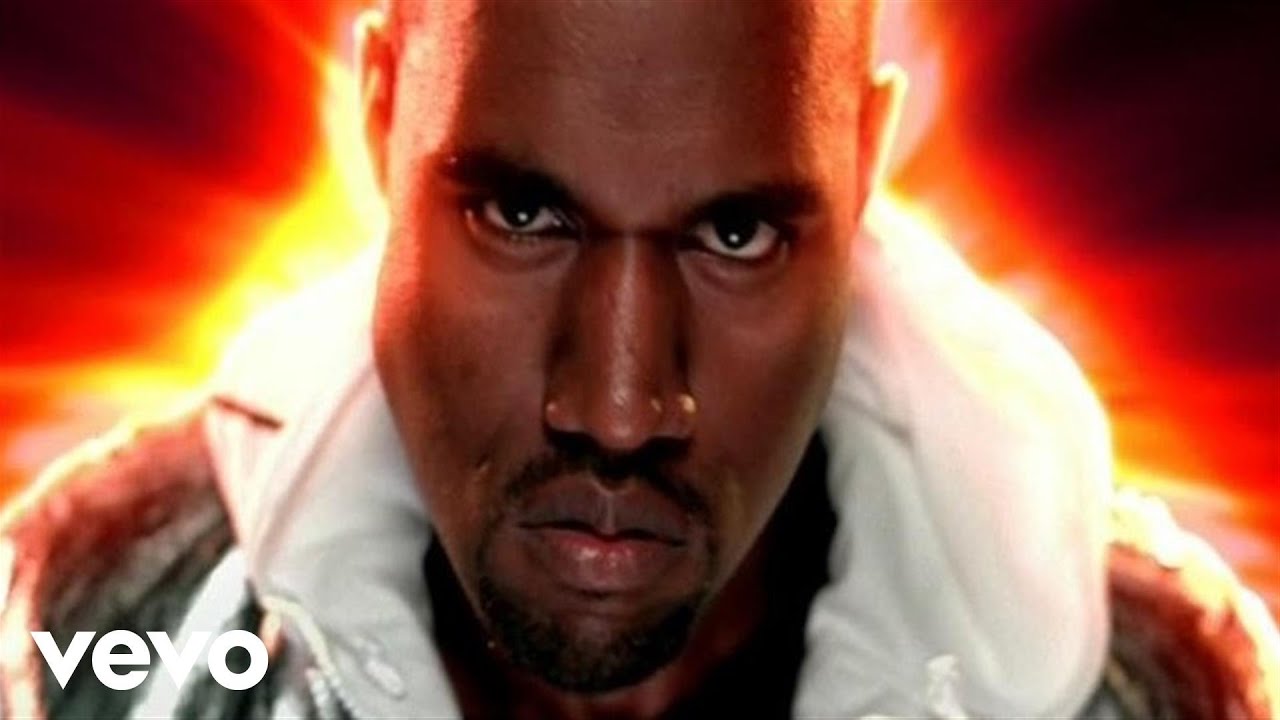
Sunglasses with no lenses — just plastic slats, like Venetian blinds for your face. After Kanye West wore a white pair in the "Stronger" video, shutter shades conquered every mall kiosk, party photo, and MySpace profile picture of 2007–2008, despite being objectively worse than sunglasses at everything sunglasses do.