Plasma TV

The first flat screen you could hang on a wall: 42 inches, a few inches deep, and for years the way to tell a home theater from a living room. Deep blacks, the burn-in warning, and a decade of slowly losing to LCD.
Plasma was old technology that became a luxury product. The panel — millions of cells of ionized gas, each a tiny fluorescent lamp lighting a phosphor — was co-invented in 1964 at the University of Illinois by Donald Bitzer, H. Gene Slottow and Robert Willson for the PLATO computer terminals, and glowed orange on monochrome displays for decades. Fujitsu showed the first 21-inch full-color panel in 1992 and the first 42-inch panel in 1995, and in 1997 Philips introduced the first large flat-panel TV sold to consumers, built on Fujitsu panels: the 42PW9962, available at four Sears stores for $14,999 including in-home installation. Pioneer and Fujitsu sold sets that year too. By 2000 the price was down to about $10,000.
Through the early 2000s plasma was the flat-panel HDTV. It had deeper blacks, higher contrast, faster response and wider viewing angles than LCD, and it came in the big sizes LCD could not yet manage — the industry assumed LCD suited only smaller sets. Plasma never matched the CRT's numbers, but home-cinema enthusiasts loved it, and falling prices let it overtake rear-projection sets in 2005. The trade-offs were real: burn-in, which plagued early sets so badly that video games or any static image were a risk, and which every manufacturer excluded from its warranty; a glass front that caught every lamp in the room; a buzz above 6,500 feet; and a 50-inch set that drew around 400 watts, more in the "vivid" mode stores shipped it in.
LCD caught up fast. In 2006 LCD prices fell and sizes grew, and by late that year analysts said LCD had overtaken plasma even in the 40-inch-and-up class that had been its stronghold. The 2007 Christmas tally surprised everyone: LCD had outsold not only plasma but CRT, and the big-screen alternatives were driven "from the market almost overnight." In the first quarter of 2008 the world bought 21.1 million LCDs and 2.8 million plasmas. Pioneer's February 2009 exit from plasma was widely called the tipping point, even as Panasonic showed a 150-inch panel at CES 2008 and shipped more than 18 million plasmas in 2010. Panasonic stopped in March 2014, LG and Samsung followed that year, and the last plasma panels for China were made in 2016.
Similar items

HD DVD vs. Blu-ray
Betamax vs. VHS, replayed for the HDTV age. Toshiba's HD DVD was cheaper; Sony's Blu-ray held more and came inside every PlayStation 3. Two years, one Warner Bros. press release, and it was over.

Xbox 360
Microsoft's console that beat the PS3 to market by a year and defined HD-era online gaming. Unified Achievements, party chat, a matured Xbox Live — and the Red Ring of Death, the three flashing lights that taught a generation the meaning of hardware failure.
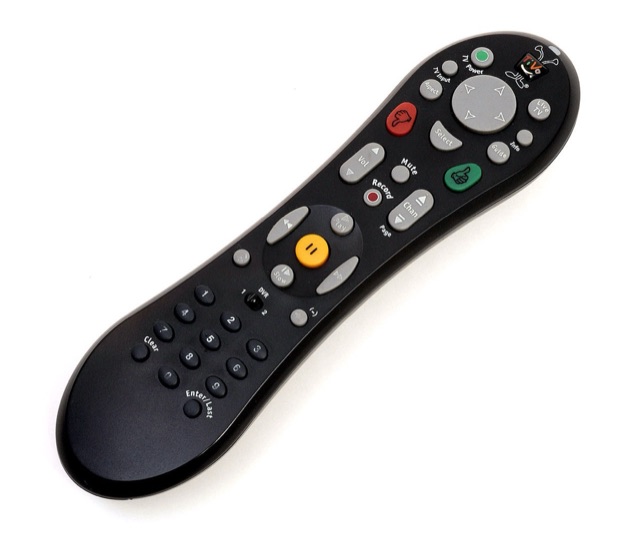
TiVo
The machine that finally bent television around your schedule instead of the other way around. Pause live TV, rewind the play you just missed, record a whole season by name — no tapes, no timers. "TiVo it" became a living-room verb.

Circuit City
The electronics superstore where your parents went to buy the first family PC, camcorder, or big-screen TV — with a commissioned salesman in a dress shirt walking them through every feature. Those red-tower storefronts were the 90s temple of consumer electronics. From superstore dominance to total liquidation in 2009, Circuit City is the retail ghost story of the era.