"Lullaby" — Shawn Mullins

A half-spoken verse about a sad rich girl in the Hollywood Hills, then a hook that promised everything's gonna be all right, rock-a-bye. Shawn Mullins had spent a decade selling his own cassettes at shows when "Lullaby" went to number seven in the first weeks of 1999.
Shawn Mullins was an Atlanta singer-songwriter who had been putting out his own records on a label called SMG since 1989, cassettes and CDs sold on the road, album after album through 1996. In 1997 a woman came up to him after a show at Genghis Cohen, a Chinese restaurant and club in Los Angeles, and over dinner told him her life story. "She kind of blew my mind with her crazy childhood and teenage years," he said. A week later, driving home through the desert, the hook arrived: "everything's gonna be all right, rock-a-bye." He wrote the rest from his road journals, half-speaking the verses about a girl raised among Hollywood money who wanted out, and darkened her a little. "The person in the song took a sadder turn," he admitted. "The actual girl really had her act together and she was very smiley."
He recorded Soul's Core on his own label for less than $10,000, and "Lullaby," which he wrote and produced alone, went to radio in August 1998. "I was broke and couldn't make enough records to keep up with all the requests," he said; Columbia signed him and reissued the album. The single reached number seven on the Billboard Hot 100 and number one on three other Billboard charts, Adult Top 40, Mainstream Top 40 and Triple-A, and it traveled: number two in Canada, number five in Australia, number nine in the United Kingdom. The video, directed by Roger Pistole, starred actress Dominique Swain as the girl. Soul's Core went platinum, and "Lullaby" earned a Grammy nomination for Best Male Pop Vocal Performance at the 1999 awards.
Nothing he released afterward came close, which is how a 30-year-old with a decade of records became a one-hit wonder in most people's memory. "Shimmer" turned up on the Dawson's Creek soundtrack, he formed the Thorns with Matthew Sweet and Pete Droge in 2002, and "Beautiful Wreck" topped the Americana chart in 2006. But it is the rock-a-bye that plays at the end of every late-90s adult-contemporary hour, a grown man murmuring reassurance to someone who was never going to be fine.
Similar items

Dawson's Creek
The WB teen drama where impossibly articulate teenagers agonized over love and life in the seaside town of Capeside — and where the Dawson-versus-Pacey fight for Joey became one of the defining "who will she choose" debates of the era. Set to Paula Cole's "I Don't Want to Wait."

Third Eye Blind — "Semi-Charmed Life"
"Doo doo doo, doo doo-doo doo..." — the sunniest-sounding smash of 1997 was a song about crystal meth, and the radio edit made sure you couldn't tell. The hook that soundtracked every summer barbecue was hiding one of the darkest lyrics on the dial.
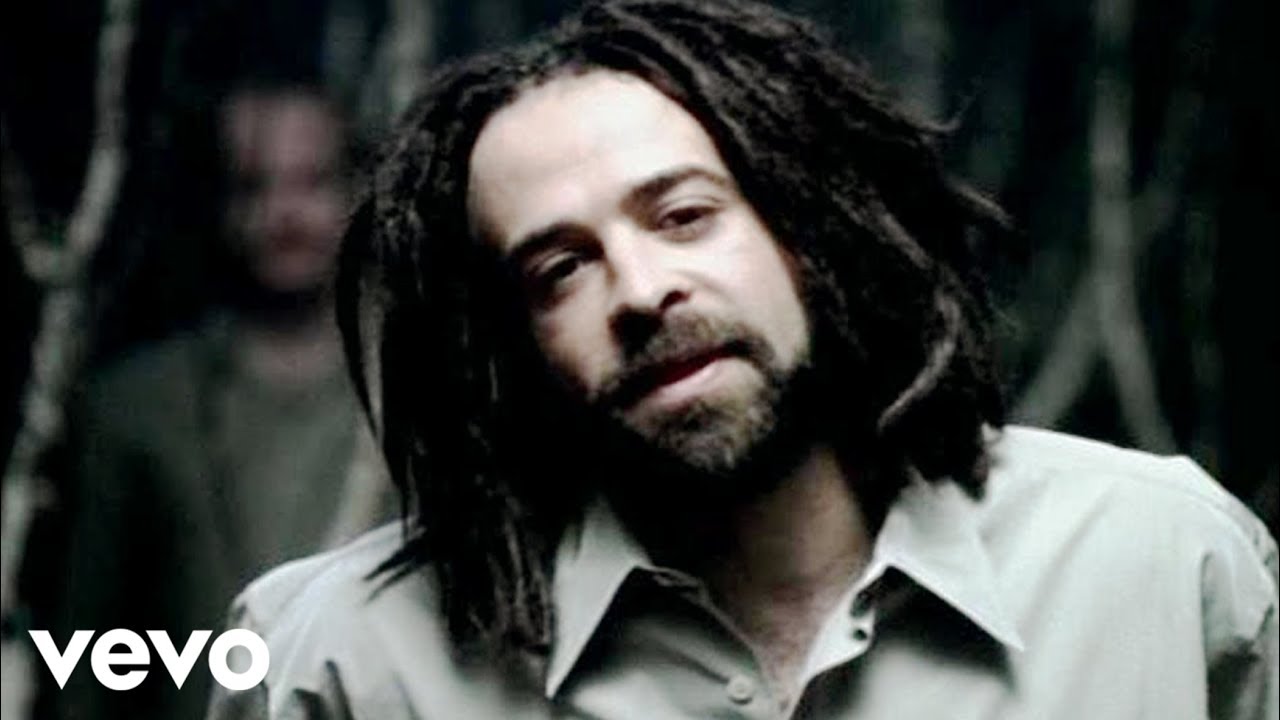
Counting Crows
Adam Duritz's dreadlocked, wordy, openly wounded alt-rock band — one of the definitive sounds of 90s radio. Their 1993 debut sold over seven million copies, and Duritz spent years dismantling the very song that made them famous, recanting "Mr. Jones" and its hunger for stardom after getting exactly what he wished for.
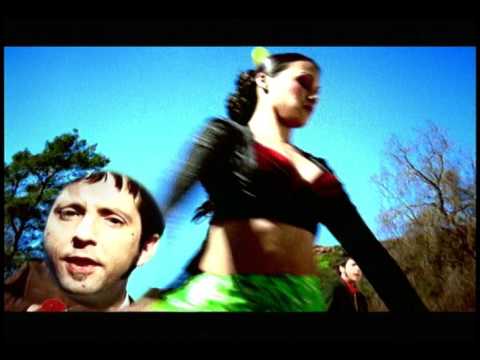
Fastball
Austin trio Fastball broke through in 1998 with 'The Way,' a song that transformed a real couple's tragic road trip into an anthem of eternal possibility. Written by Tony Scalzo after reading about the true story of Lela and Raymond Howard, the track spent seven weeks at #1 on Billboard's Modern Rock Tracks and earned two Grammy nominations. It was the band's commercial peak—a moment of mainstream success they'd never replicate.