Old Country Buffet

Pay at the door, grab a tray, and hit the islands: mashed potatoes, stuffing, sliced ham, a salad bar, and a dessert station a kid could visit four times. Old Country Buffet opened in a Minneapolis-area strip mall in 1984, hit its stride in the 1990s with hundreds of locations across the Midwest and beyond, and spent the next two decades in and out of bankruptcy until the pandemic closed the last of them.
Buffets, Inc. was founded on October 19, 1983 by Roe Hatlen and C. Dennis Scott, with partners Dermot Rowland and Doron Jensen. The first Old Country Buffet opened in March 1984 in a small strip mall on the outskirts of Minneapolis: everyone prepaid a fixed price on the way in, then worked a buffet station with lines at either end. The refinement that defined the chain came in 1989, when the restaurants adopted a "scatter system" of separate food islands, which moved customers through faster and let each location feed more of them. Rowland and Jensen left in 1986 to start their own buffet in Florida, and Scott left at the end of the decade to found HomeTown Buffet, which became a significant challenger and then a partner.
The 1990s were the boom. There were 70 restaurants in 1990 and 110 in 1991; revenue went from $145 million in 1990 to $335 million in 1993, and by 1996 the company ran more than 250 Old Country Buffets. In June 1996 Buffets announced it would acquire HomeTown Buffet in a stock-and-debt deal worth about $190 million, completed that September, after which some Old Country Buffets were rebranded under the HomeTown name. By 1998 the combined company had 386 restaurants and $869 million in revenue. Dinner, by one later account, cost $6.19 in 1990 and lunch $4.69, and the pitch was straight nostalgia: "Remember when mom's home cooking was so special no-one could match it?"
The next twenty years were a slow retreat. Buffets bought the Ryan's steak-buffet chain in 2006, adding 340 locations, then filed for Chapter 11 in January 2008 and closed 52 stores in a month; it emerged in 2009, filed again in January 2012 and closed 81 more. Under a new name, Ovation Brands, it was sold in 2015 and was back in bankruptcy in March 2016. Every remaining buffet closed in March 2020 with the pandemic; five reopened as "AYCE Marketplaces" that summer, and by January 15, 2021 every Old Country Buffet, HomeTown Buffet and Ryan's had closed for good. The parent filed once more in April 2021, and the buyers of the brand said they had no interest in reopening any of them. What survives is the ritual: the tray, the sneeze guard, and the grandparent who insisted you get your money's worth.
Similar items

Sizzler
The family steakhouse where the salad bar became the meal: cheap steak, all-you-can-eat shrimp, the Buffet Court, and hundreds of locations across the West by the early nineties. Then a 1991 corporate promo film full of sailors, cowboys and "Sizzler is the choice of America!" resurfaced online in 2015 and made it immortal.
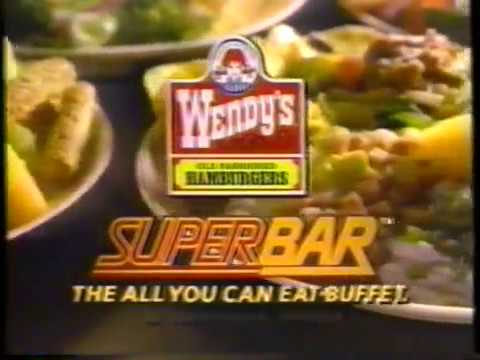
Wendy's SuperBar
Wendy's all-you-can-eat buffet for $2.99: the Garden Spot, the Mexican Fiesta, and Pasta Pasta, three stations of self-serve freedom inside a burger chain. Popular with customers, brutal on the stores that had to keep it stocked — it was gone by 1998.

Cup Noodles
Instant ramen in a foam cup—just add hot water and wait three minutes. Nissin's Cup Noodles became the ultimate latchkey-kid meal and dorm-room survival tool, affordable enough to buy by the case and fast enough to eat between homework and whatever came next.

KFC Famous Bowls
Mashed potatoes, corn, popcorn chicken, gravy, cheese — the whole KFC menu stacked in one container, no apologies. It became a menu staple and an immortal punchline the moment Patton Oswalt called it "a failure pile in a sadness bowl."