Muscle Milk
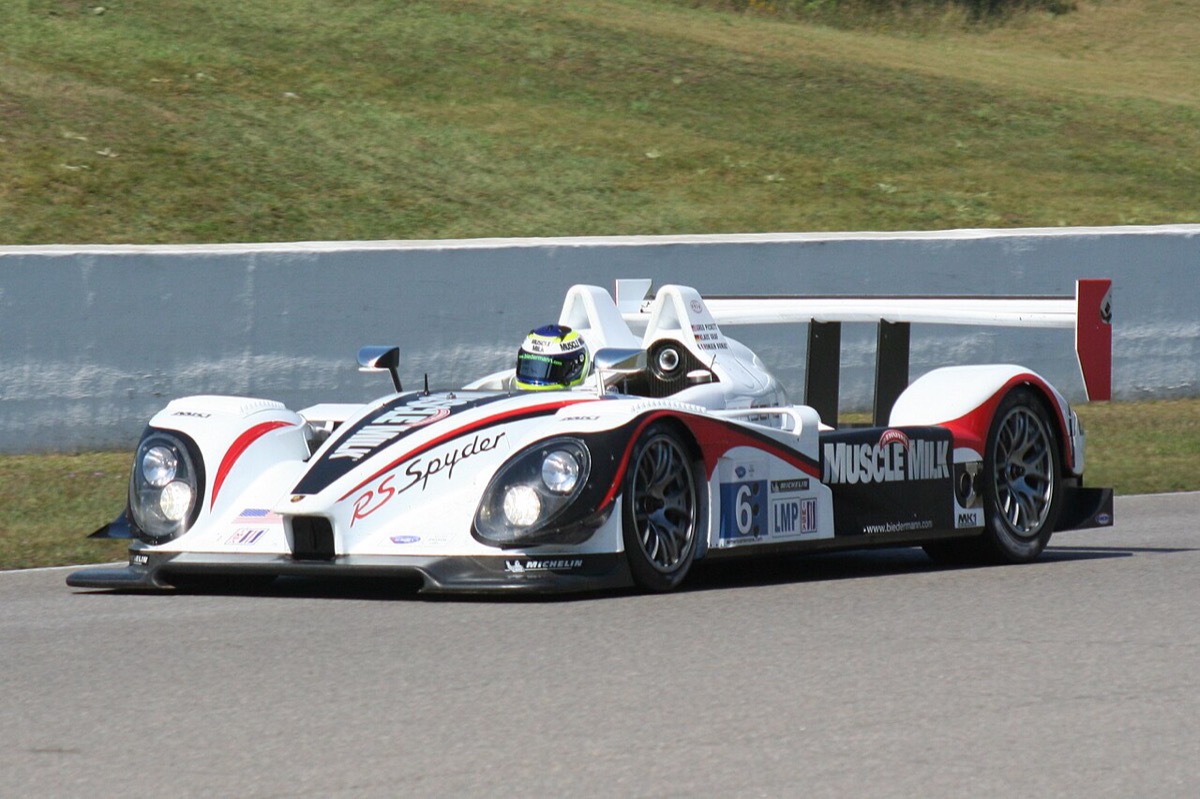
Photo credit: Photo: TorontoGuy79, CC BY-SA 4.0, via Wikimedia Commons
The chalky-sweet protein shake that lived in every 2000s gym bag, GNC aisle, and locker room — with the all-time-great fine print: Muscle Milk contains no milk. The name said milk, the label said otherwise, and eventually the FDA had thoughts.
Muscle Milk came out of CytoSport, a sports-nutrition company founded in 1998 in Benicia, California by a father-and-son team, Greg and Mike Pickett. Their first protein products hit the market in 1999, and in 2000 came the one that mattered: Muscle Milk, a protein powder — later joined by the ready-to-drink bottles everyone actually remembers — that turned the crusty gym-rat protein tub into a mainstream grab-and-go product.
The 2000s were its decade. As gym culture went mass-market, Muscle Milk went with it — the tubs at GNC, the coolers at the campus rec center, the bottle sweating in a cup holder after morning lifting. Star athletes like NFL running back Adrian Peterson signed on as endorsers, Greg Pickett fielded his own Muscle Milk-branded sports-car team from 2007 — it would win back-to-back American Le Mans Series championships in 2012 and 2013 — and the brand plastered itself across the sports landscape: everywhere fitness culture lived, the bottle was already there.
Then there was the name. Muscle Milk contains milk-derived proteins — whey and casein — but no actual milk, and the packaging said so outright: "Contains No Milk." Rivals cried foul (a 2009 Nestlé challenge before the ad industry's self-regulator got the brand's claims referred to the FTC and FDA), and in 2011 the FDA sent CytoSport a warning letter calling the labels false or misleading — a product named milk, claiming to contain no milk, while listing milk ingredients in its own allergen statement. The absurdity was half the brand's charm, and late-night jokes wrote themselves. The business, meanwhile, kept getting bigger: Hormel bought CytoSport for about $450 million in 2014, and PepsiCo took it over in 2019 for $465 million.
Muscle Milk is still on shelves, but its cultural moment is unmistakably the 2000s — the decade when protein stopped being a bodybuilder thing and became a lifestyle thing, with a paradoxically named bottle leading the way.
Similar items

P90X
Twelve DVDs, ninety days, a pull-up bar wedged in the doorframe, and a magic phrase — "muscle confusion." Tony Horton's basement bootcamp was the infomercial phenomenon of the late 2000s, and for a while it seemed like every dad, coworker, and college roommate in America was "doing P90X."

Ab Roller
The tubular rocking cradle with the headrest that promised perfect crunches without the neck strain — rock forward, feel the burn, order now. Flip channels late at night in the mid-'90s and the Ab Roller infomercial was simply there, somewhere, always.

Mountain Dew Code Red
The cherry-red Mountain Dew that felt genuinely edgy in 2001 — a new flavor, a darker can, and a tongue-staining color that made regular Dew look tame. It was the drink of LAN parties and late-night gaming.

Vitaminwater
The pastel wall of the 2000s deli case: candy-bright bottles, lowercase labels full of jokes, and flavors named for what they promised to do for you. Vitaminwater made hydration a personality choice — and made 50 Cent a legend of business-deal folklore.