Mike Jones

A Houston rapper who said his own name until you couldn't forget it — "Who? Mike Jones!" — then gave out his real cell number and actually answered when you called. Before social media, Mike Jones WAS the direct line.
Michael Allen Jones was born on November 18, 1981, in Houston and came up on the local Swishahouse label in the early 2000s, part of the city's slow-rolling sound that had been simmering underground for years. His breakout came in 2004 with "Still Tippin'," featuring Slim Thug and Paul Wall — the song that announced Houston's style to national radio and entered the Billboard Hot 100.
His debut album, "Who Is Mike Jones?," dropped on April 19, 2005, hit No. 3 on the Billboard 200, and went platinum within two months. "Back Then," released the same year, became his first platinum single. But the thing that made him impossible to ignore wasn't just the music — it was the marketing he ran on himself. He repeated his own name like a hook, and he gave out his actual cell number: 281-330-8004, chanted in "Back Then" and printed on shirts he handed out. Fans called it, and he answered.
The number slipped away from him for years, but in 2020 he reclaimed it — posting that you couldn't call it a gimmick now — and he still picks up for fans. His second album, "The Voice," debuted at No. 12 on the Billboard 200 in 2009, and he went quiet after 2010–2011 amid label disputes. In today's world of managed parasocial everything, what he did — an actual rapper with an actual phone number, answering actual calls — feels almost unbelievable.
Similar items
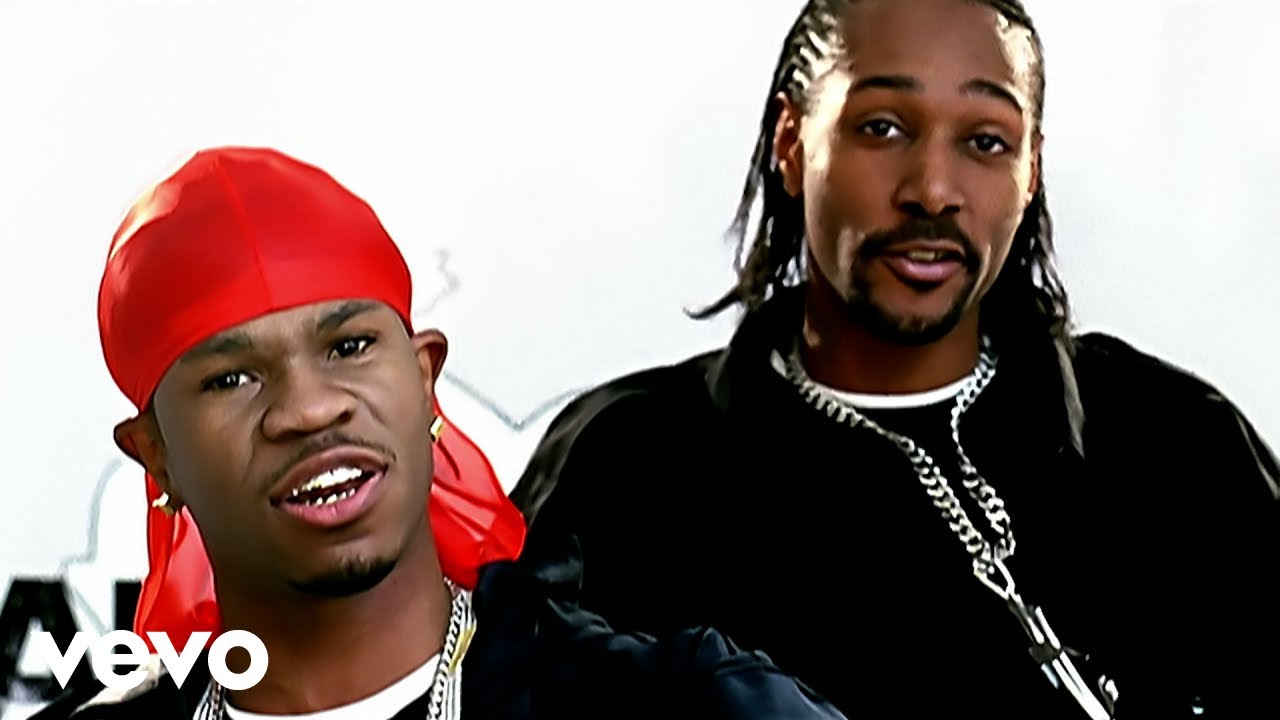
Ridin'
A Houston rapper's song about profiling that climbed to No. 1, spent 31 weeks on the chart, and became the best-selling ringtone of 2006. "They see me rollin', they hatin'" echoed from every flip phone in America.
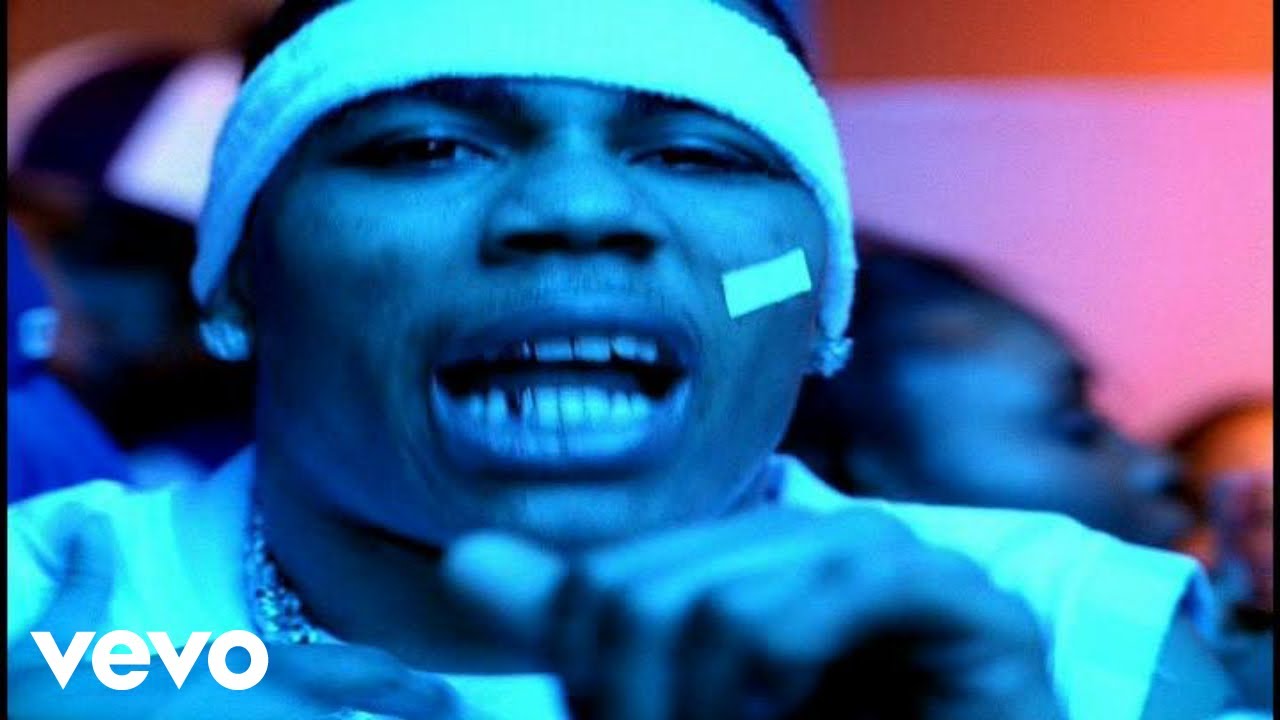
Nelly
For the first half of the 2000s, Nelly was pop-rap's biggest crossover star — the Band-Aid-cheeked St. Louis rapper behind "Hot in Herre" and "Dilemma," a run of singalong hits that owned radio, MTV, and the charts.

50 Cent
The Queens mixtape king who survived being shot nine times, got signed by Eminem and Dr. Dre, and turned his bulletproof origin story into one of the biggest rap debuts of the decade. For a few years in the mid-2000s, 'In da Club' and 'Get Rich or Die Tryin'' were everywhere, and 50 Cent was the most bankable name in hip-hop.
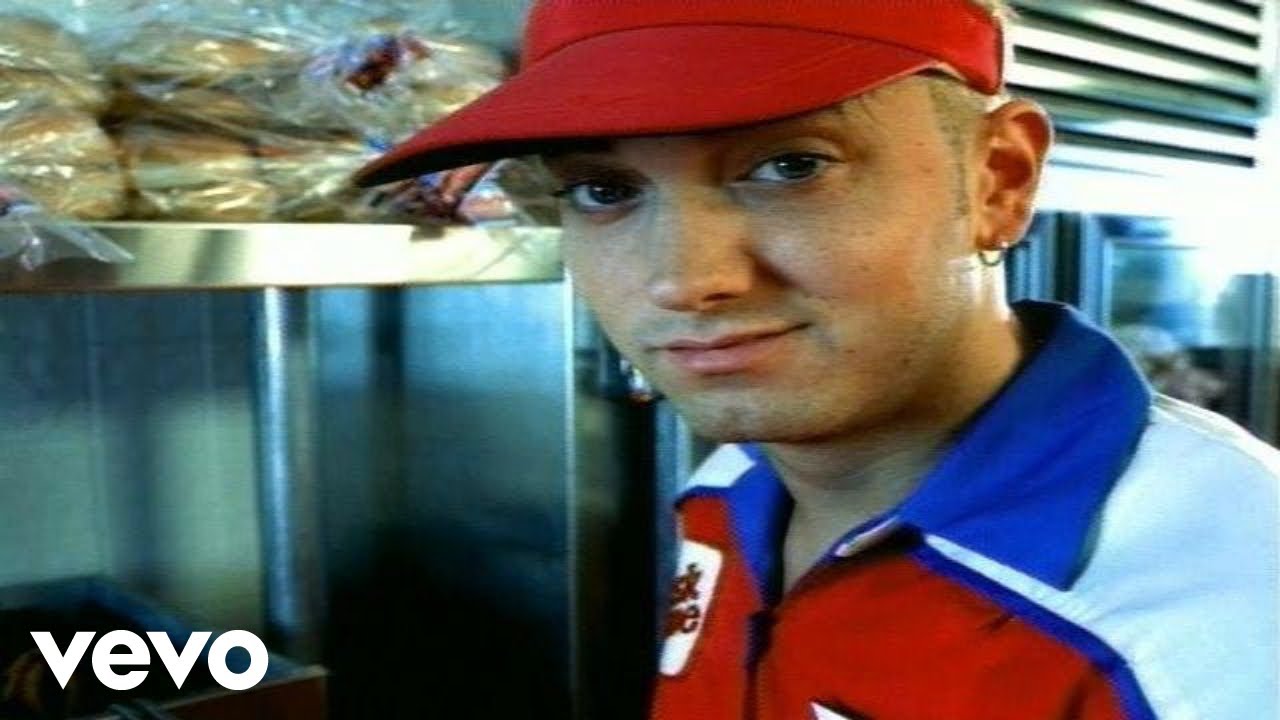
Eminem
Marshall Mathers from Detroit, a white rapper in a Black art form, exploded into stardom with shock-rap alter ego Slim Shady and relentless rhymes. The blond buzzcut, unapologetic controversy, Dr. Dre mentorship, and hits like 'Stan' and 'The Real Slim Shady' made him the biggest and most polarizing star in music during the early 2000s.