MapleStory

A cute 2D side-scrolling MMORPG where you leveled for hours grinding snails and mushrooms instead of slaying dragons in 3D. Free-to-play, but the Cash Shop meant everyone knew who was spending real money on their outfit. After-school hangout, guild headquarters, and grinding treadmill all at once — the game your parents thought was a cartoon and you knew was a second life.
MapleStory launched in South Korea in April 2003, developed by Wizet and published by Nexon — which took over development itself in 2005 — and the Global version arrived in North America on May 11, 2005. Free-to-play was still a novelty in American gaming: just download and grind. The catch was the Cash Shop, where cosmetics and conveniences cost real money. MapleStory wasn't the first game built that way, but for millions of American kids it was the first one they ever played, normalizing microtransactions years before the industry went all-in.
The draw was a cute 2D side-scroller in a genre drowning in 3D castles and dragons. You jumped platforms and ground through beginner monsters — snails and mushrooms — in starter fields that looked more like a storybook than a dungeon crawl. And the grind was the point: hours of leveling in the same maps with your guild, showing up every day for the routine, the hangout, the second life. MapleStory wasn't selling a story; it was selling belonging.
The numbers proved it worked: 39 million user accounts worldwide by 2006, over 180 million registered users by 2020, and more than $3 billion in lifetime revenue — evidence that kids would happily spend real money on virtual outfits in a free game, a formula that went on to define the next two decades of the industry. And it never died: the game is still running today, a sequel (MapleStory 2) launched in Korea in 2015, and in 2025 Nexon announced a "Classic World" recreation of the early game — aimed squarely at the players who remember it exactly like this.
Similar items
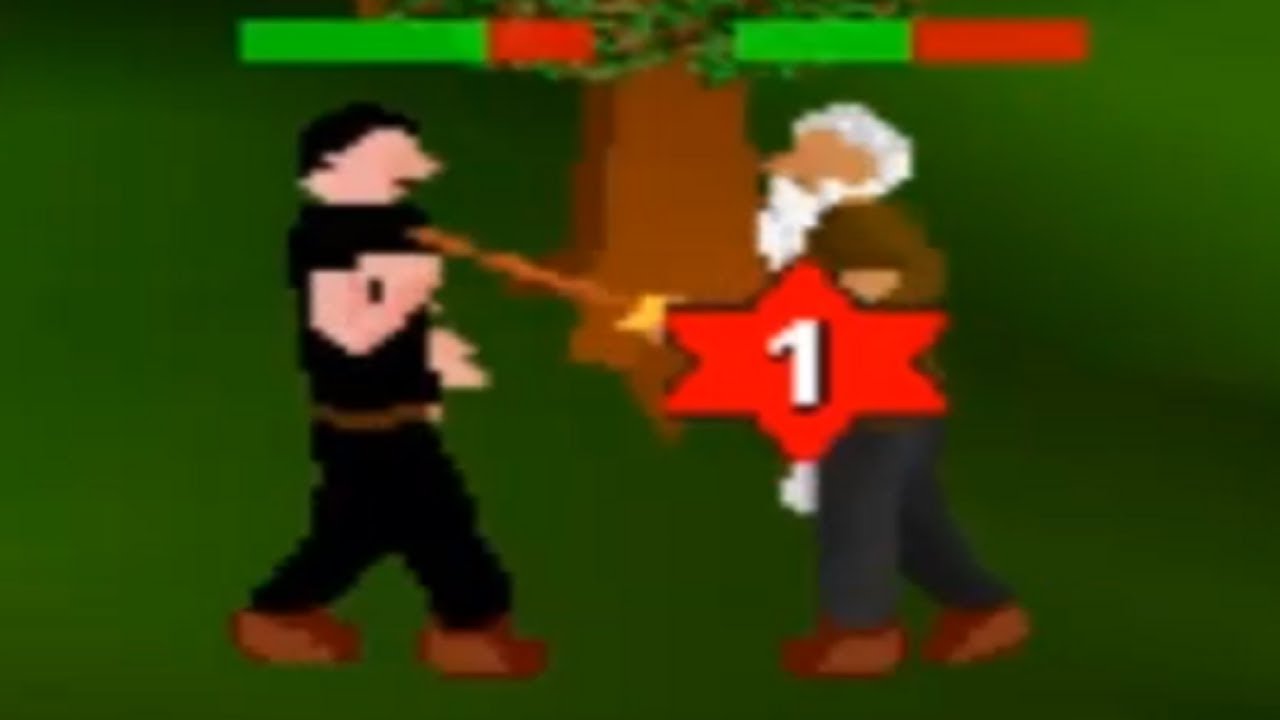
RuneScape
A browser-based MMO that ran on any school computer—no download, pure Java, accessible everywhere. RuneScape let you trade with strangers in Varrock, cut yews, dodge scams, and explore the Wilderness, all while technically just looking at homework on another tab.

Club Penguin
The online hangout where millions of kids waddled around as cartoon penguins, decorated their igloos, adopted puffle pets, and played mini-games for coins in a safety-focused chat environment. Club Penguin was one of the first MMOs designed specifically for kids, and it became an after-school addiction that defined a generation's online childhood.
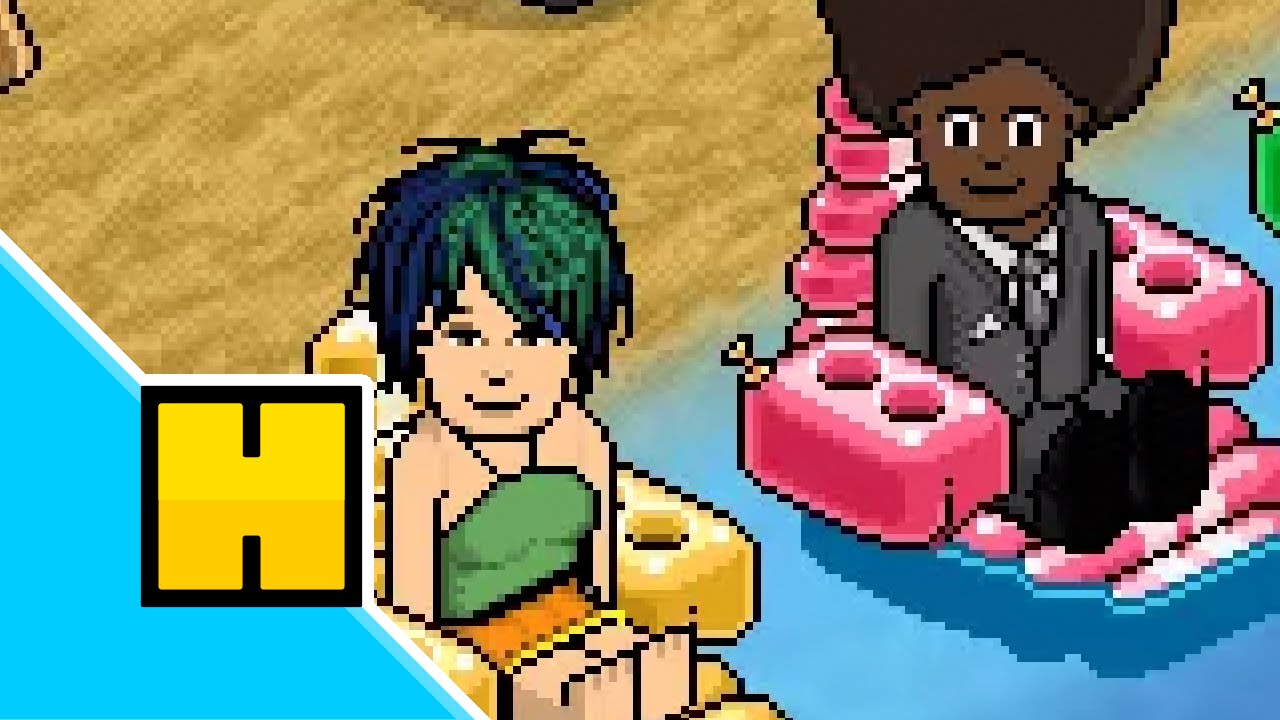
Habbo Hotel
A giant isometric pixel-art hotel you checked into as a blocky avatar — decorating rooms with "furni," chatting in the lobby, and guarding the virtual pool. One of the first massively popular online social worlds built for teenagers.

Star Wars Galaxies
This MMORPG wasn't about saving the galaxy—it was about living in it. Crafters built everything from blasters to starships, player cities elected mayors, and Jedi were so rare and risky (permanent death, at first) that seeing one felt like a legend sighting. Then the NGE overhaul flattened it all, and players never quite forgave it.