Star Wars Galaxies

This MMORPG wasn't about saving the galaxy—it was about living in it. Crafters built everything from blasters to starships, player cities elected mayors, and Jedi were so rare and risky (permanent death, at first) that seeing one felt like a legend sighting. Then the NGE overhaul flattened it all, and players never quite forgave it.
Star Wars Galaxies: An Empire Divided was developed by Sony Online Entertainment and published by LucasArts, launching in North America on June 26, 2003, with the European release following in November 2003. Set between A New Hope and The Empire Strikes Back, the game offered something radical for its time: a genuine sandbox world. The economy ran entirely on player labor—crafters manufactured nearly everything the game had to offer, from blasters and starships to clothing, armor, food, houses, furniture, and droids. The profession system grew organically from six basic classes (Artisan, Brawler, Entertainer, Marksman, Medic, Scout) into 34 specialized professions.
The social infrastructure was equally groundbreaking. Players built entire cities with democratically elected mayors, cantina entertainers who buffed crowds with stat bonuses, and thriving economies driven by supply and demand. Jedi were intentionally mythical—the first player didn't unlock one until November 7, 2003, months after launch, and early Jedi faced permanent character death after three deaths (a mechanic that was softened to mere skill loss in January 2004). SOE released three expansions: Jump to Lightspeed in October 2004, Rage of the Wookiees in May 2005, and Trials of Obi-Wan in November 2005. The game reached a million boxed copies sold by August 2005.
Then 2005 brought two updates players never forgave. First the Combat Upgrade made ground combat real-time and shooter-like, and cancellations rose; then the New Game Enhancements (NGE) that November flattened the rich profession web into nine streamlined classes and made Jedi a standard starting option. Players and media outlets alike condemned the lost depth, subscriptions sank further, and SOE offered refunds for Trials of Obi-Wan, which had shipped just before the NGE announcement. SOE and LucasArts announced the end in June 2011 as their contract wound down, and the servers went dark on December 15, 2011 — just days before BioWare's Star Wars: The Old Republic arrived to take up the mantle. Today, Star Wars Galaxies remains the benchmark players cite when discussing player-driven economies, crafting systems, and virtual societies—and fan emulator projects keep versions of the sandbox alive.
Similar items

EverQuest
The first massively successful 3D MMORPG, a game that proved millions would live together in a virtual world. The world of Norrath, corpse runs, the brutal grind, and "EverCrack" addiction became the template for everything that followed.

Ultima Online
The MMO pioneer that proved persistent online worlds at scale were possible. Ultima Online's unrestricted player-versus-player combat, player housing, and emergent economies made it the first true virtual society — and the blueprint for every MMO that followed.

Asheron's Call
The cult favorite of the first big three MMORPGs — never EverQuest's equal in numbers, but beloved for what it dared. Asheron's Call ran through Microsoft's gaming service, its classless characters and famous monthly story updates drip-feeding new life into one seamless world that stayed open for over seventeen years.
World of Warcraft
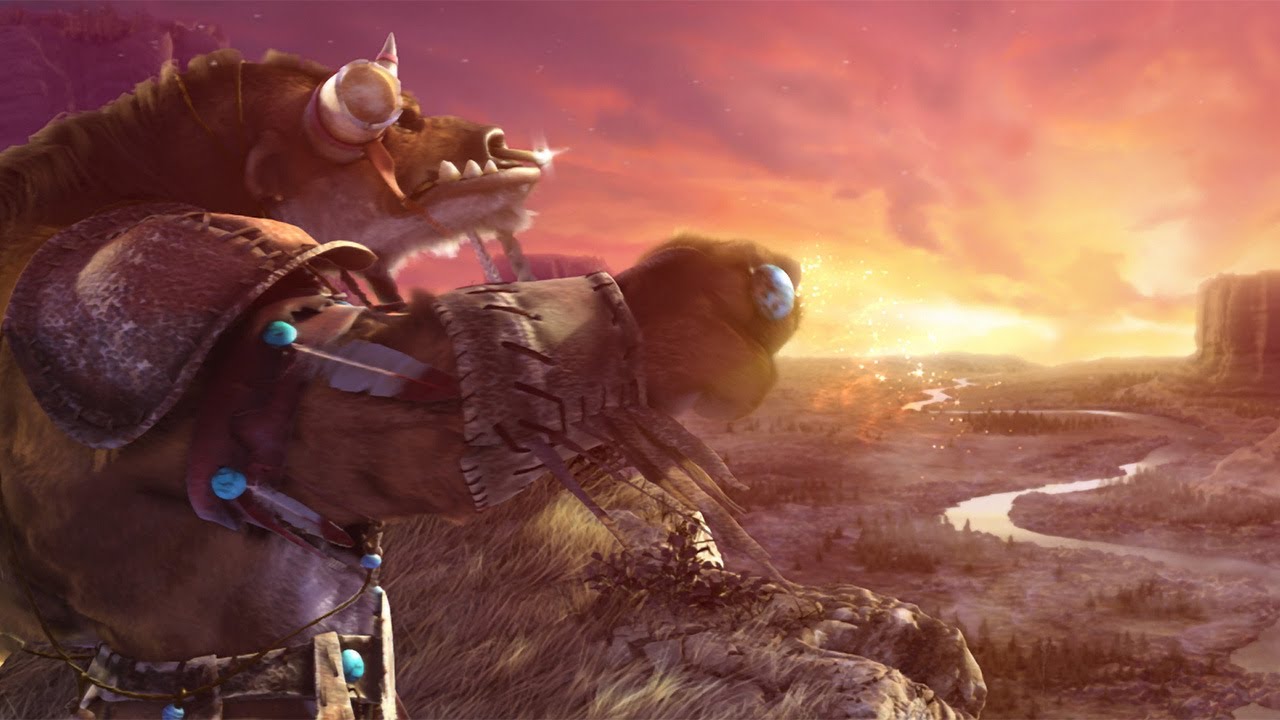
Blizzard's legendary MMO that defined an entire genre. Released November 23, 2004, World of Warcraft dropped players into the world of Azeroth to quest, guild up, and raid alongside millions of others—at its peak reaching 12 million subscribers and spawning a cultural phenomenon that transcended gaming.