Kangol Hats

The kangaroo-logo hat that lived three lives: a British beret maker from 1938, the crown of 80s hip-hop, and — the moment this entry exists for — the backwards Kangol 504 on Samuel L. Jackson's head in Jackie Brown, which put the brand right back on the map for the late 90s.
Kangol began in 1938 in Cleator, a village in Cumbria, England, founded by Jacques Spreiregen — born Jacob Henryk Spreiregen in Warsaw — to make berets. The name is a materials pun, and one that's widely misremembered: the K comes from silk (not knitting, as the popular version has it), the ANG from angora, the OL from wool. The famous kangaroo came much later, in 1983, and for the most practical reason imaginable: American customers kept walking into stores asking for "the kangaroo hat," so the company put a kangaroo on it. No Kangol hat has ever been made in Australia.
What turned a British millinery firm into streetwear was hip-hop. In the 1980s, Kangol hats were canonized by the culture's founding wardrobe — Grandmaster Flash, Run-DMC, Slick Rick, UTFO's own Kangol Kid, and above all LL Cool J, whose Kangol became part of his very silhouette. The Notorious B.I.G. carried the look into the 90s. A hat your grandfather might have worn to the pub had become, without the company quite planning it, one of the most recognizable crowns in American music.
Then came Ordell Robbie. In Quentin Tarantino's Jackie Brown (December 1997), Samuel L. Jackson played the silky, lethal gunrunner in a Kangol 504 worn backwards. Fashion press has credited that performance ever since with relighting the brand: the look landed Kangol back in shop windows and set up its boom at the turn of the millennium. Jackson made the hat part of his own off-screen identity too, down to the Kangol he sported when the Shaft remake arrived in 2000.
The brand has kept moving since — owned by Britain's Frasers Group since 2006, still trading heavily on those two eras. But its nostalgic frequency is fixed: see a Kangol, and you're either in a Bronx park in 1985 or across the table from Samuel L. Jackson, trying very hard not to say the wrong thing.
Similar items
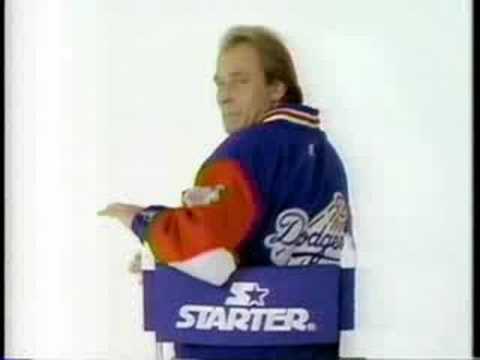
Starter Jackets
Starter's nylon and satin team jackets were the uniform of 90s cool — oversized windbreakers emblazoned with NBA and NFL team logos that transformed playground basketball courts and city streets into stadiums of style. Starter jackets became so coveted they sparked robberies, making them perhaps the decade's most dangerous fashion statement.
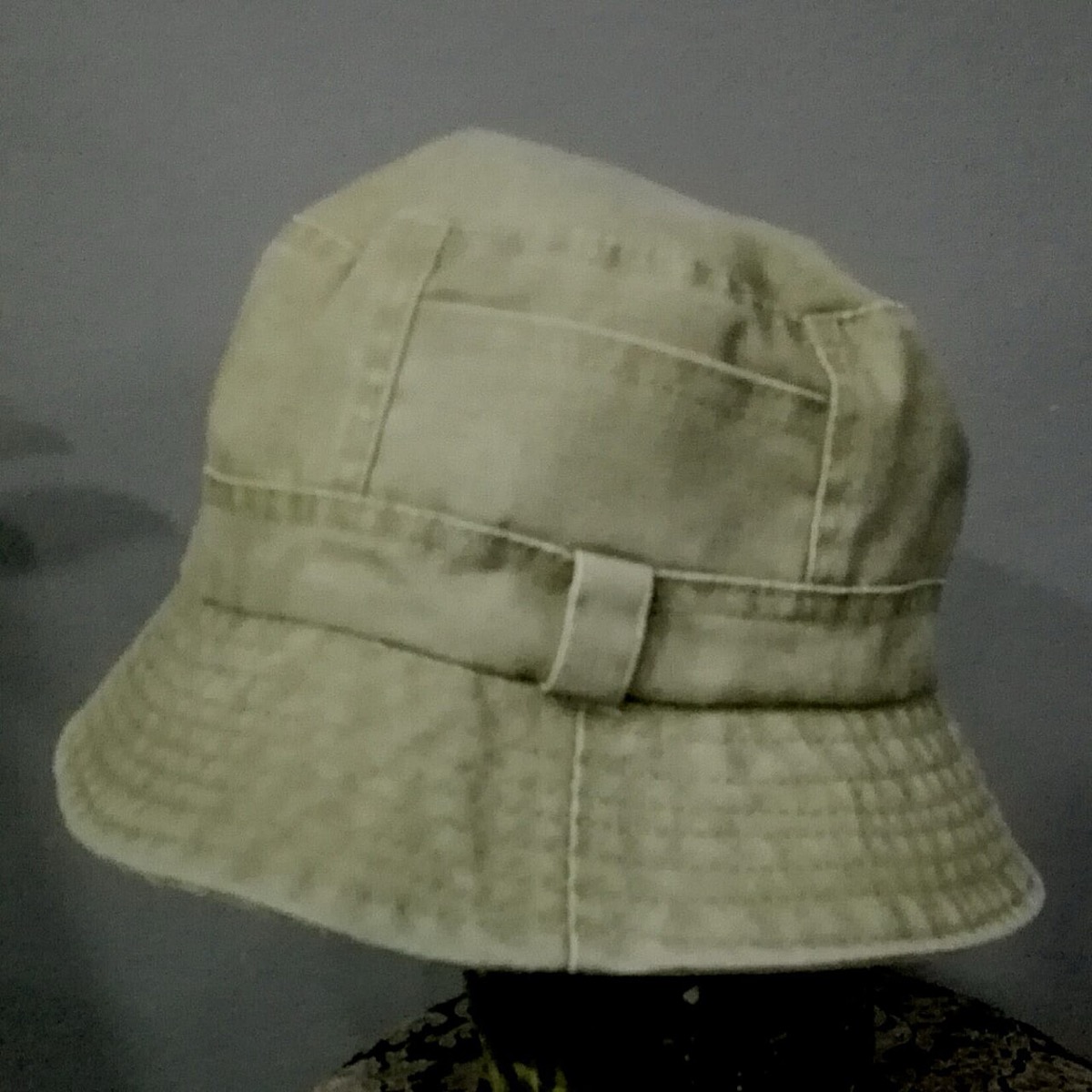
Bucket Hats
A soft crown, a downward brim you never had to shape, and no wrong way to wear it — the bucket hat was the 1990s street-fashion staple that asked nothing of anyone. Rappers made it cool in the '80s; by the '90s it sat on heads that had never heard of its farm-and-fishing past.
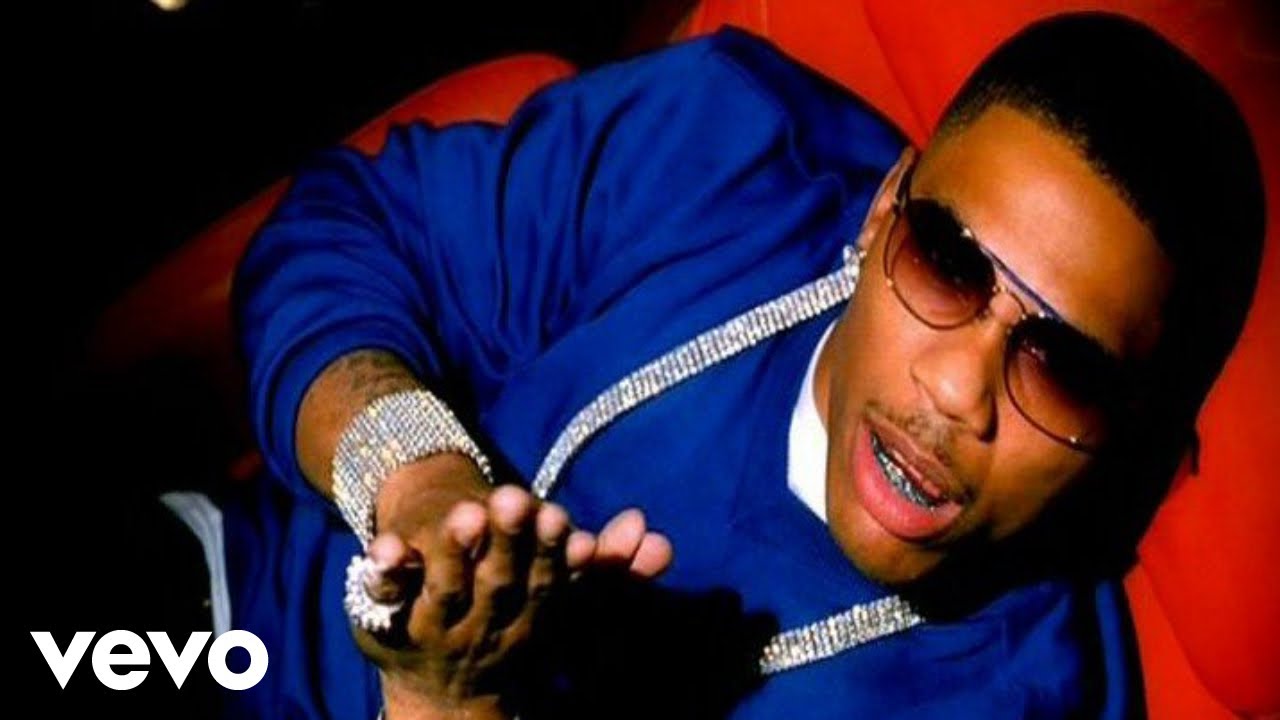
Grillz
Removable gold and diamond teeth went from Southern hip-hop signature to national obsession, and for a couple of years the shiniest thing at the mall kiosk was dental. Nelly put the moment on wax — "Grillz" hit number one — and every yearbook from 2006 has at least one kid flashing a mouthful of metal.
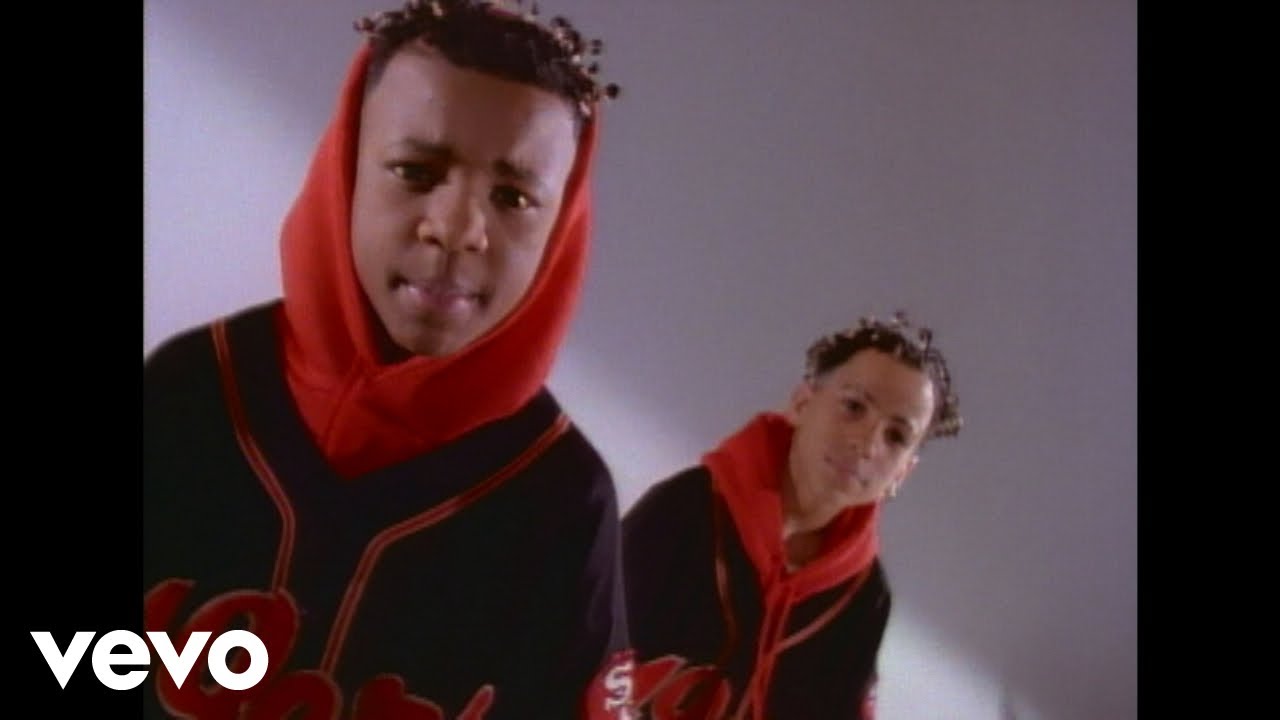
Kris Kross
Two Atlanta kids in backwards clothes spent eight weeks at No. 1 with "Jump" — at 13, charting at an age no hip-hop group had matched. For one glorious stretch of 1992, half the playgrounds in America turned their jeans around.