HitClips

Pay $3–4 to hear ONE MINUTE of a pop hit in lo-fi mono from a thumbnail-size cartridge clipped to your backpack. HitClips was the absurd perfect artifact of early-2000s teen culture—clipping a McDonald's-promoted player to your belt loop and trading cartridges with friends like they cost a fortune.
Tiger Electronics launched HitClips in August 2000 via a marketing partnership with McDonald's and Jive Records, promoting players loaded with Britney Spears' "Stronger" and NSYNC's "It's Gonna Be Me." By September 28, 2000, the full retail lineup hit stores with an expanded roster of cartridges and players. The technology was simple and absurd: each thumbnail-size cartridge held a ~60-second compressed mono clip from a pop hit, and kids paid $3–4 per cartridge to own a tiny, tinny version of their favorite song.
The joke was the point. The price-per-minute of music was absurd, the quality was gloriously terrible—yet kids *loved it*. By June 2002, combined sales of players and cartridges had passed 20 million. Backpacks became noisy with cascading HitClips playing simultaneously at lunch. Rare cartridges were traded like currency. The absurdity was the charm: this was a device designed to make you pay maximum money for minimum song, and somehow it was essential.
Similar items

iPod
Steve Jobs unveiled the iPod on October 23, 2001, promising "1,000 songs in your pocket." The original model packed a 5GB hard drive, mechanical scroll wheel, and FireWire connection—Mac-only, $399. The click wheel, iTunes Music Store (2003), and later Windows support made it the gateway device to digital music and one of the most influential electronics ever built.
Mix CDs
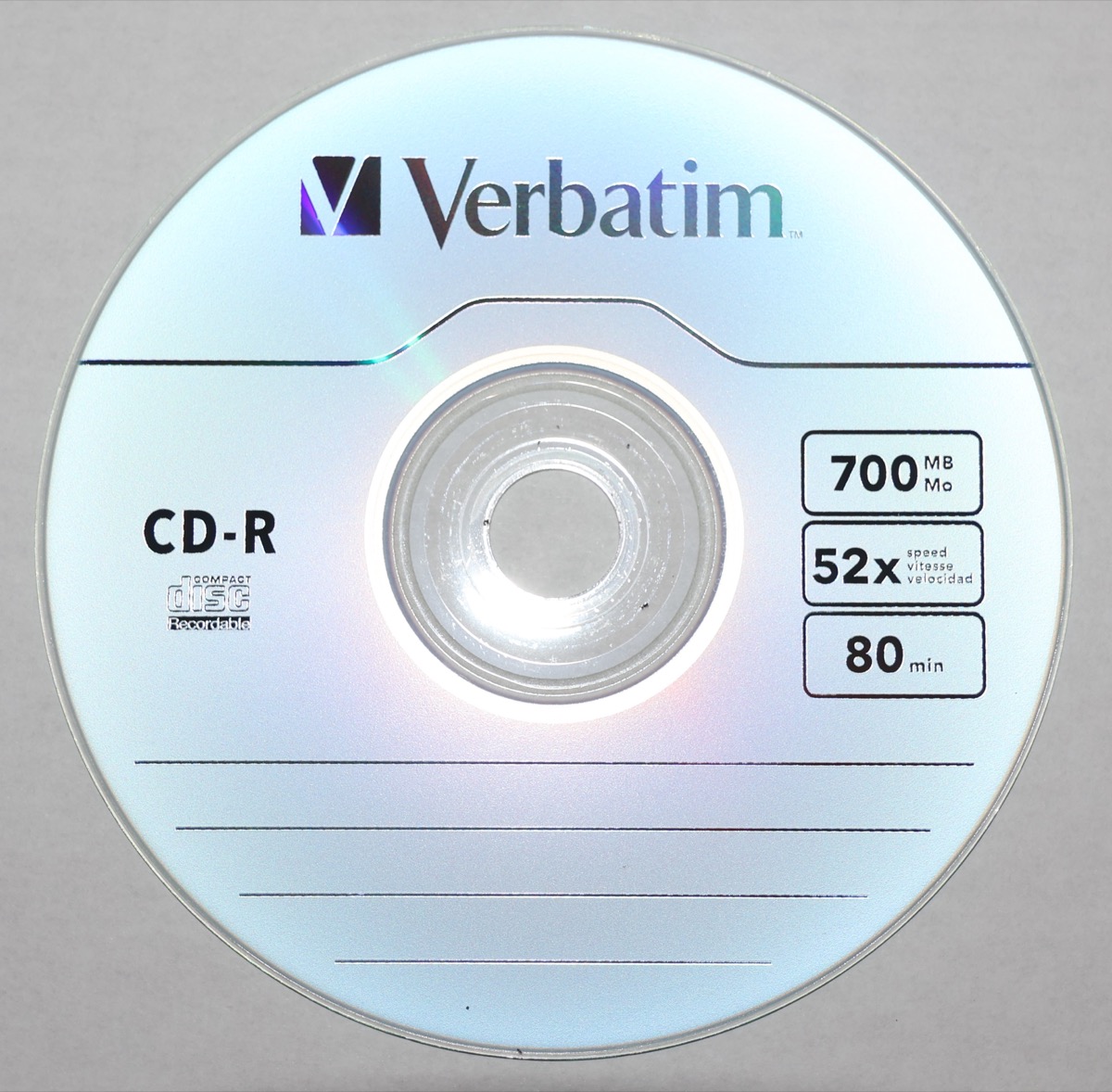
The mixtape of the CD-R era: download MP3s from file-sharing sites, burn them to a blank disc in Nero or iTunes, label it with Sharpie, and pray it didn't skip. Mix CDs were the late-90s and 2000s ritual—track order agonized over, burnable only by those with a CD-R drive, given as love offerings and road-trip soundtracks.

Captain Planet Power Ring
A light-and-sound ring from Tiger Toys' 1991 Captain Planet toy line—load a translucent element disc, press, and it lit up and made noise. Gold and silver versions came with each Planeteer's elemental disc plus the Captain Planet ring, six sounds, and a carrier. The line's recycled-paper packaging even carried environmental tips — a rarity in 1991.
Furby
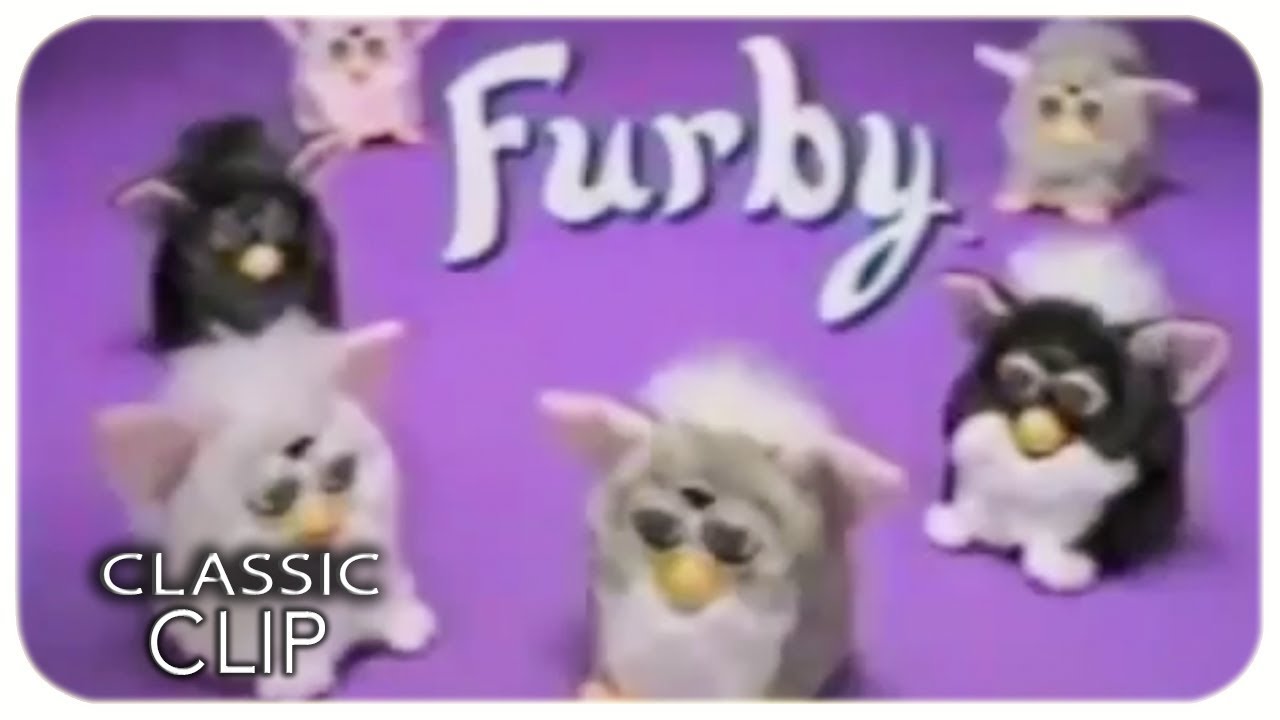
A furry owl-hamster gremlin that spoke gibberish and slowly "learned" English, making it feel genuinely alive. Tiger Electronics' Furby became the holiday craze of 1998—resale prices hit $100, and the NSA banned it from its offices out of sheer paranoia.