Handheld Casino Games
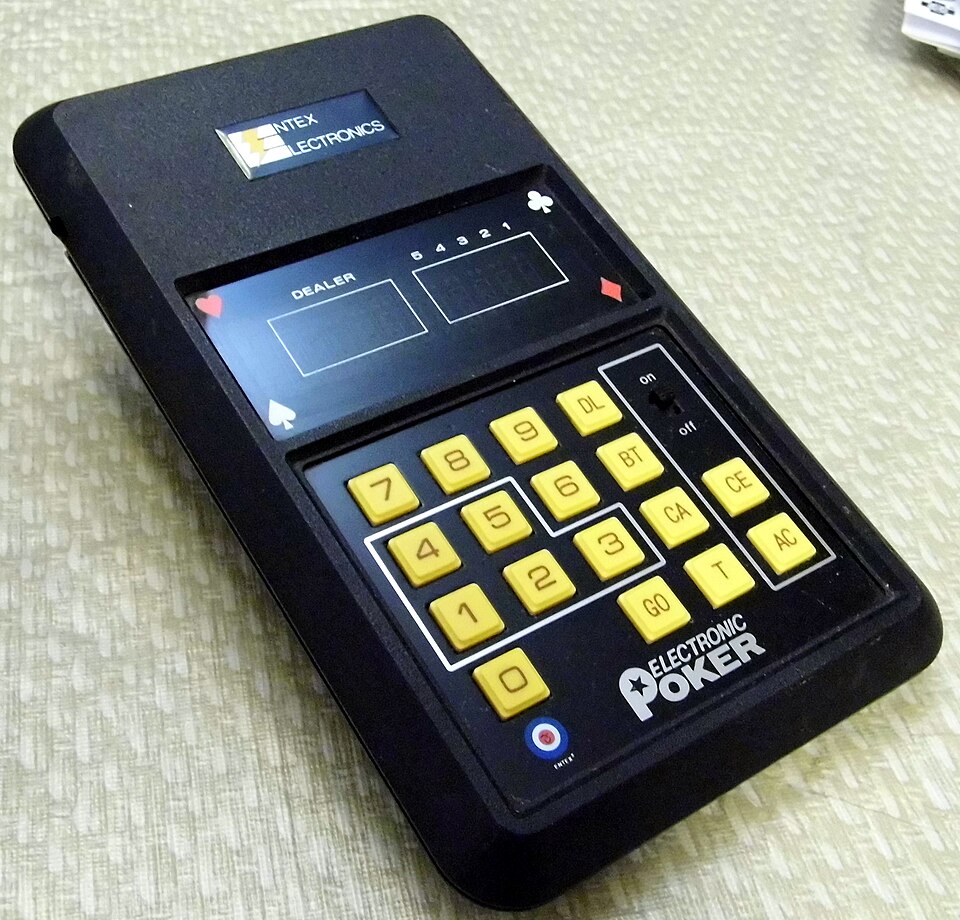
Photo credit: Photo: Joe Haupt, CC BY-SA 2.0, via Wikimedia Commons
Single-purpose LCD pocket machines made by Radica — Draw Poker, Blackjack, Slots — with beeping electronic casino sounds. Sold at drugstores and airports, they were the endless video-poker game in your pocket, played on car trips and under the dinner table.
The pocket electronic casino game wasn't new — companies like Entex had sold late-1970s LED versions such as its 1979 Electronic Poker — but Radica made it a 1990s staple. Their lineup of single-purpose LCD units brought casino gameplay into the palm of your hand: Pocket Poker (featuring Draw Poker and Deuces variants), Pocket Blackjack 21, Pocket Slots, and dozens of other variants, each one a dedicated device with no cartridges to swap or reprogramming required. You powered it on, picked your bet, and the tiny beeping electronic sounds took you straight to a Vegas fantasy — minus the lights and the cocktails.
These handhelds were ubiquitous. Grandparents carried them for flight delays and afternoon poker sessions. Drugstores and airport shops stocked them as impulse purchases. Kids snuck them under the table during family dinners; adults played them in waiting rooms and on road trips. The appeal was timeless: endless casino action, no money at risk, all the feedback and beeps and electronic bells. They were distinct from Tiger Electronics' licensed-character LCD games (which focused on sport simulations and cartoon adventures) — Radica's universe was purely gambling, pure chance, pure mindless play.
Similar items

Tiger Electronics LCD Handhelds
Cheap, single-game handheld LCD devices with a massive licensed catalog (Sonic, Batman, X-Men, Jurassic Park) that your parents bought instead of a Game Boy. Crude, limited, and utterly ubiquitous.
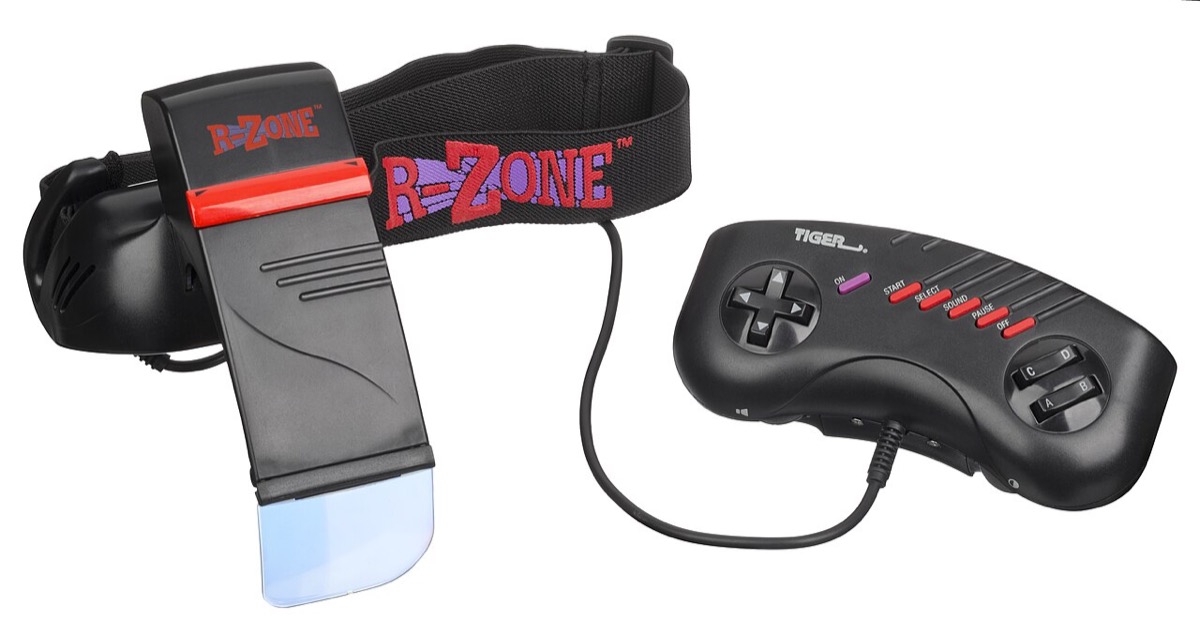
Tiger R-Zone
The Tiger R-Zone strapped to your head and projected blocky red games onto a little mirror in front of your eye. Released in 1995 at $29.99, it looked like Tiger's bid to catch the Virtual Boy wave — though Tiger never admitted it. Big licenses, tiny LCD games, and a permanent spot on worst-consoles-ever lists.

Game Boy
The grey brick: four AA batteries, a pea-green screen you had to angle toward a lamp, and Tetris in the box. It was outgunned on paper by every colour handheld it faced, and it buried all of them. Nintendo kept the line it started alive until 2003.

Game Boy Advance
Nintendo's 32-bit handheld released June 2001, with a landscape shape and full backward compatibility with the entire Game Boy and Game Boy Color library. The screen was notoriously hard to see until the GBA SP (2003) added a front-lit clamshell. Around 80 million sold across the GBA, SP, and Micro variants.