Fanny packs

A zippered nylon pouch on a belt, worn front, back or hip, that carried your wallet through the 1990s and then became the international symbol of the tourist dad. Adweek reportedly named it product of the year for 1988; Chanel made one in quilted lambskin in 1994; by 1999 it invited mockery.
The belt pouch is older than pockets. Ötzi carried one 5,000 years ago, medieval Europeans wore them until clothing grew pockets, and the Scottish sporran survived because a kilt has none. The modern American version, made of nylon and other synthetics, came into use in the 1980s, riding the fitness boom that put gym clothes on the street. Sports Illustrated had listed a $10 leather "fanny pack" for cross-country skiers in a 1954 Christmas guide; the name comes from wearing the pouch over the buttocks, which is also why the British call it a bum bag.
By the end of the 1980s it was everywhere. Adweek reportedly named the fanny pack its product of the year for 1988, and in June 1990 Seinfeld's Jerry was already suggesting that George was more likely to get dumped for the fanny pack he was wearing than for anything he had said. Fashion took it up: Karl Lagerfeld made Chanel fanny packs in the house's quilted black lambskin for Fall 1994, called belt bags, and Louis Vuitton and Gucci followed later in the decade. The rest of the country got theirs free, handed out by marketing departments, beer brands and stadium promotions, and wore them on vacation.
That was the problem. Overexposure did what it does, and by the end of the 1990s a fanny pack was a joke, shorthand for the tourist and the suburban dad, and the bags faded through the mid-2000s. The rehabilitation came from skaters and from Supreme, which had made them from early in its history, and then from the runways: in July 2018 The Boston Globe reported that Gucci, Prada and Louis Vuitton were selling them for up to $1,500, worn by Kim Kardashian and Rihanna, and Vogue conceded that "the fanny pack has been vindicated." The new ones are usually worn across the chest, which is how you can tell they are not the old ones.
Similar items

JNCO Jeans
JNCO jeans were the uniform of 90s youth rebellion: outrageously baggy denim with cavernous pockets so deep you could lose a Walkman, decorated with zipper details and an attitude that rejected traditional fit. If you weren't tripping over your cuffs or making those pockets jingle, you weren't dressed for the decade.
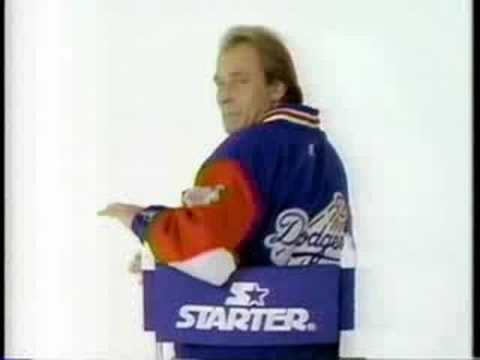
Starter Jackets
Starter's nylon and satin team jackets were the uniform of 90s cool — oversized windbreakers emblazoned with NBA and NFL team logos that transformed playground basketball courts and city streets into stadiums of style. Starter jackets became so coveted they sparked robberies, making them perhaps the decade's most dangerous fashion statement.

Seinfeld
"A show about nothing" created by Jerry Seinfeld and Larry David became everything. NBC's quirky hit turned observational humor about minutiae—shirt buttons, parking spots, the mechanics of social obligation—into the decade's most quotable comedy.
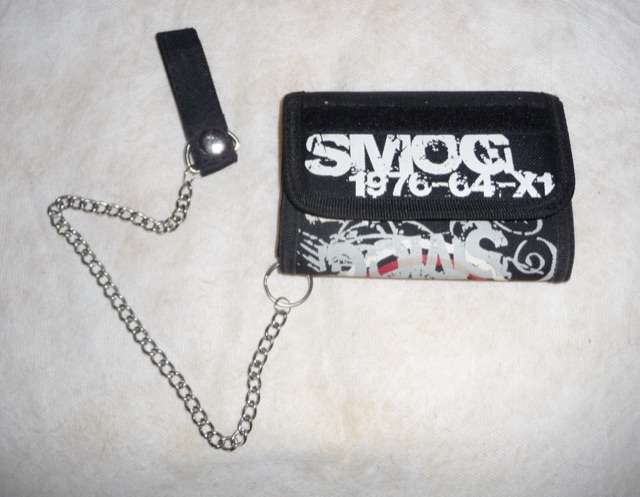
Chain Wallets
A metal chain connecting your trifold wallet to your belt loop—the ultimate 90s mall accessory that nobody actually needed for security but everyone desperately wanted anyway. Biker chic meets suburban shopping mall.