Dora the Explorer

A little Latina girl and her monkey friend Boots set out to solve puzzles and teach you Spanish — after pausing mid-episode to stare into the camera and wait for your answer. The franchise grew into a preschool juggernaut, but the real legacy is twofold: the little-sibling memory, and the meme of the Dora pause itself.
Dora the Explorer premiered on Nickelodeon's Nick Jr. block on August 14, 2000, created by Chris Gifford, Valerie Walsh Valdes, and Eric Weiner. The format was deceptively simple: a young adventurer guides the viewer through a journey, asking direct questions and then pausing — staring at the camera, actually stopping the show to wait for your answer. It was fourth-wall-breaking baked into the design. Boots the monkey came along; the singing Map plotted the route; Backpack carried the supplies. And always, always, Swiper the fox tried to steal something, met with the plea: "Swiper, no swiping!"
Spanish lessons wove into every episode, turning preschool TV into gentle language immersion. The original series ran to 2014, with final held-back episodes airing through 2019. A spinoff, Go, Diego, Go!, launched in 2005; a live-action film, Dora and the Lost City of Gold, arrived in 2019, and an animated reboot followed in 2024. By 2014 the franchise had passed $15 billion in retail sales — one of the biggest preschool properties ever built.
For millennials and Gen Z, Dora lives in two forms: the memory of being trapped in the living room while a little sibling answered questions at the TV, and the meme — the pause itself, that patient, unblinking stare, weaponized for comedy long after the backpack was put away.
Similar items
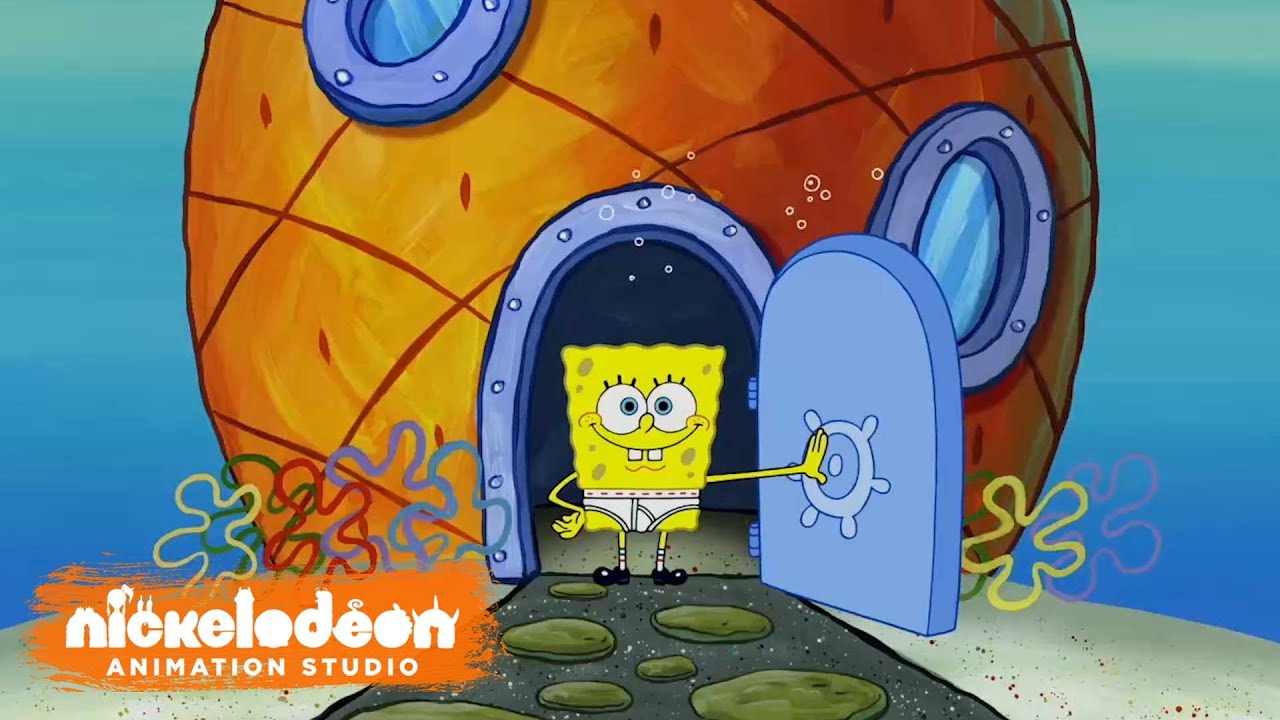
SpongeBob SquarePants
The absurdist sponge working the fry cook line at Bikini Bottom, living under the sea with his starfish best friend, and radiating genuine optimism. SpongeBob SquarePants premiered on Nickelodeon in May 1999 and became the network's biggest hit — a cultural juggernaut that turned early episodes into an endless meme quarry.
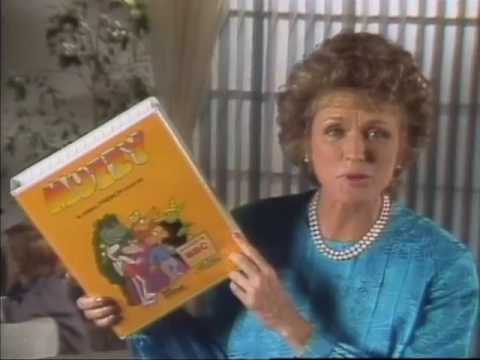
Muzzy
The big furry alien who ate clocks — the mascot of a language course your parents saw advertised on TV. Muzzy came as a set of VHS tapes (and cassettes and workbooks) that promised to teach kids French, Spanish, German, or another language the way they'd learned their first one: by watching a cartoon. Whether it worked or not, that green clock-munching creature is unforgettable.
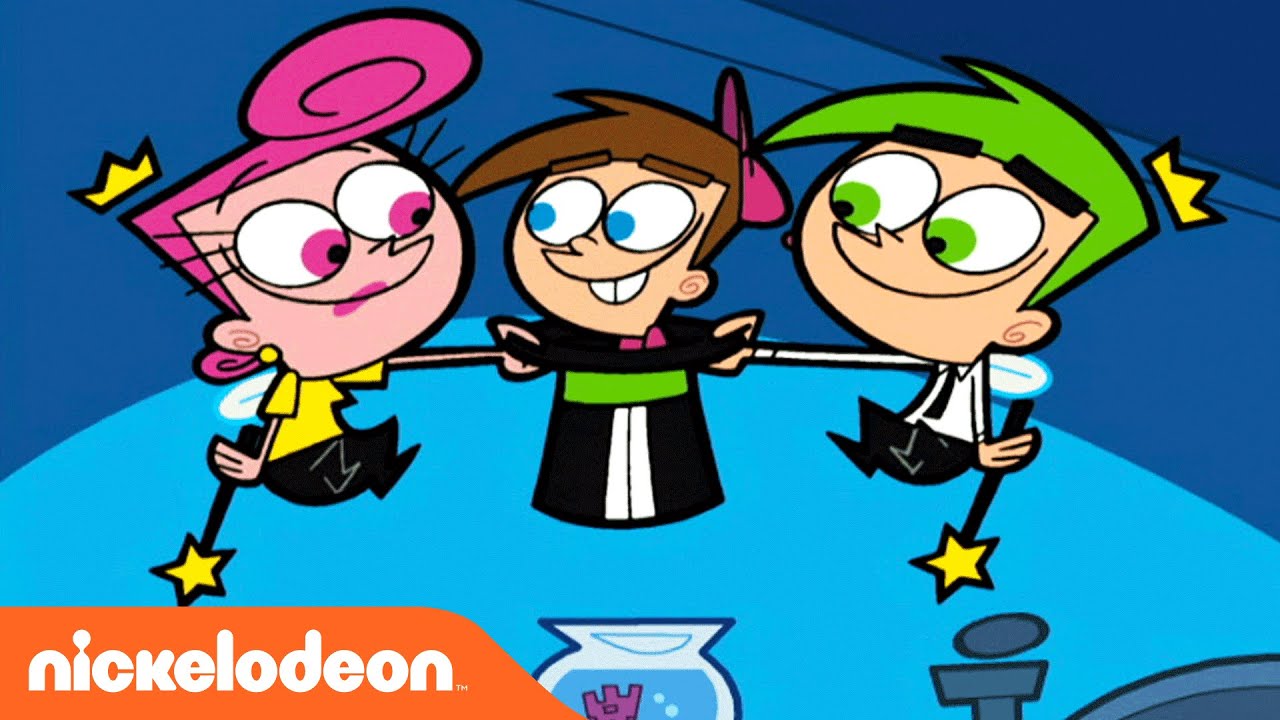
The Fairly OddParents
Timmy Turner's fairy godparents Cosmo and Wanda granted every wish—and every wish went catastrophically wrong. Nickelodeon's absurdist comedy about a miserable kid with unlimited magical wishes became a juggernaut that somehow survived 16 years, backseat-driven by evil babysitter Vicky and Mr. Crocker's obsessive screams.

Blue's Clues
A live-action host talking directly to you from inside an animated storybook world, solving mysteries left behind by a blue-spotted puppy. Blue's Clues was built on research, tested with preschoolers before it aired, and the same episode played five days in a row so you could actually master it.