Correction Tape

Click it, drag it, write over it instantly — correction tape solved the eternal problem of waiting for liquid white-out to dry. It became the default fix in 90s classrooms, the superior move of anyone who had tried both.
Correction tape arrived out of Japan's stationery industry in 1989 — dry white film in a little mechanical dispenser, not a bottle. It solved two interlocking frustrations with liquid correction fluid: the coverage was always uneven and goopy, and you had to wait for it to dry before writing over it. Tape went down in a crisp white stripe and your pen worked immediately. No blowing on wet paint. No smudges. Just the satisfying press-and-drag and you were done.
The earliest dispensers were crude — awkward to press down, with tape you rewound by hand. Japanese stationery makers, Tombow's MONO line among them, saw the format's potential and raced to improve it: automatic winding, cartridge refills, different tape widths for different mistakes. Within a few years the fussy first drafts had matured into the one-handed roller every student would recognize.
In the US, the format eventually wore the most familiar name in the correction aisle: Wite-Out, the fluid brand BIC acquired in 1992, whose EZ Correct tape dispensers pitched exactly that no-dry-time promise. Through 90s and 2000s classrooms, tape became the default move — the crisp white line, the smug pleasure of writing over a mistake the moment it landed, while the kids still using liquid were blowing on their pages.
Similar items
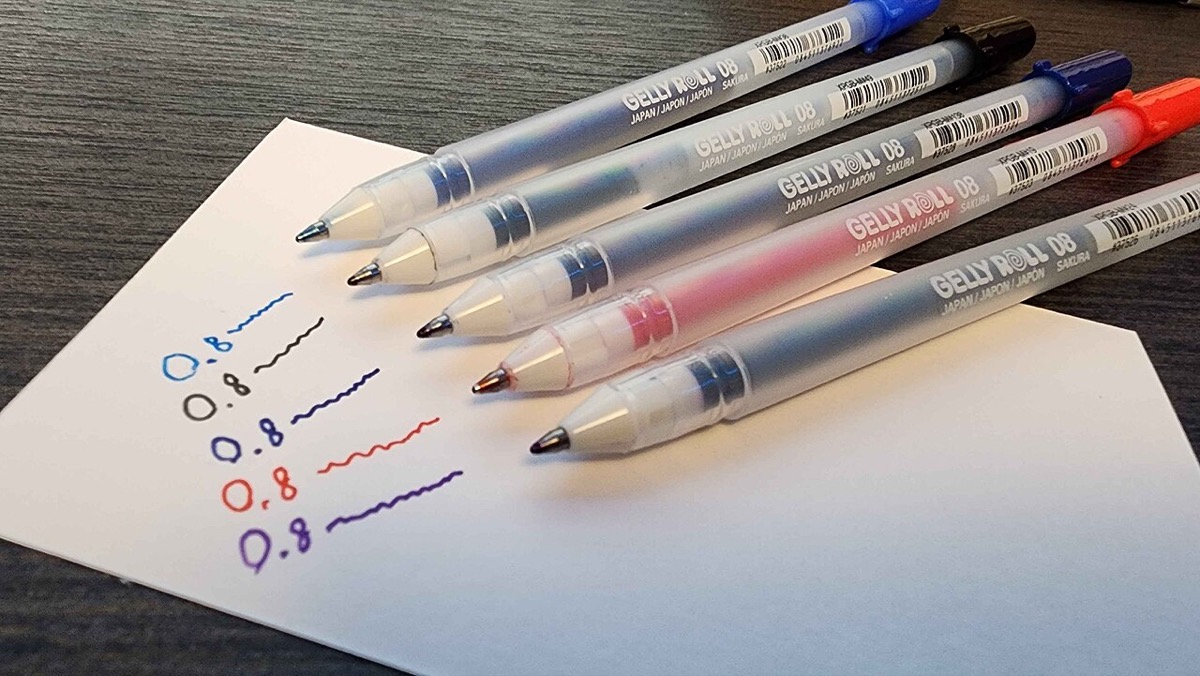
Gel Pens
The 1990s school-supply craze: smooth-writing gel-ink pens in glittery, metallic, pastel, and neon colors (the opaque pastels known as "milky pens") that showed up vividly even on black paper. Kids hoarded huge collections, traded colors with friends, and covered notebooks and each other's arms in shimmery ink—a quintessential 90s classroom status symbol.

Trapper Keeper
The velcro-sealed binder that turned school supplies into identity. Every 90s backpack carried an airbrushed Trapper Keeper — dreamscapes, sports cars, cartoon characters — and that rrrrip sound is still the official noise of every middle school hallway.

Covering Your Textbooks
The first week of school came with homework before you'd learned anything: take home the stack of hardcover textbooks the teacher just issued and cover every single one. You either cut open a brown paper grocery bag and folded it into a snug jacket, or slid on a stretchy fabric cover in a color you actually liked. Then you brought them back the next day for the teacher to check.
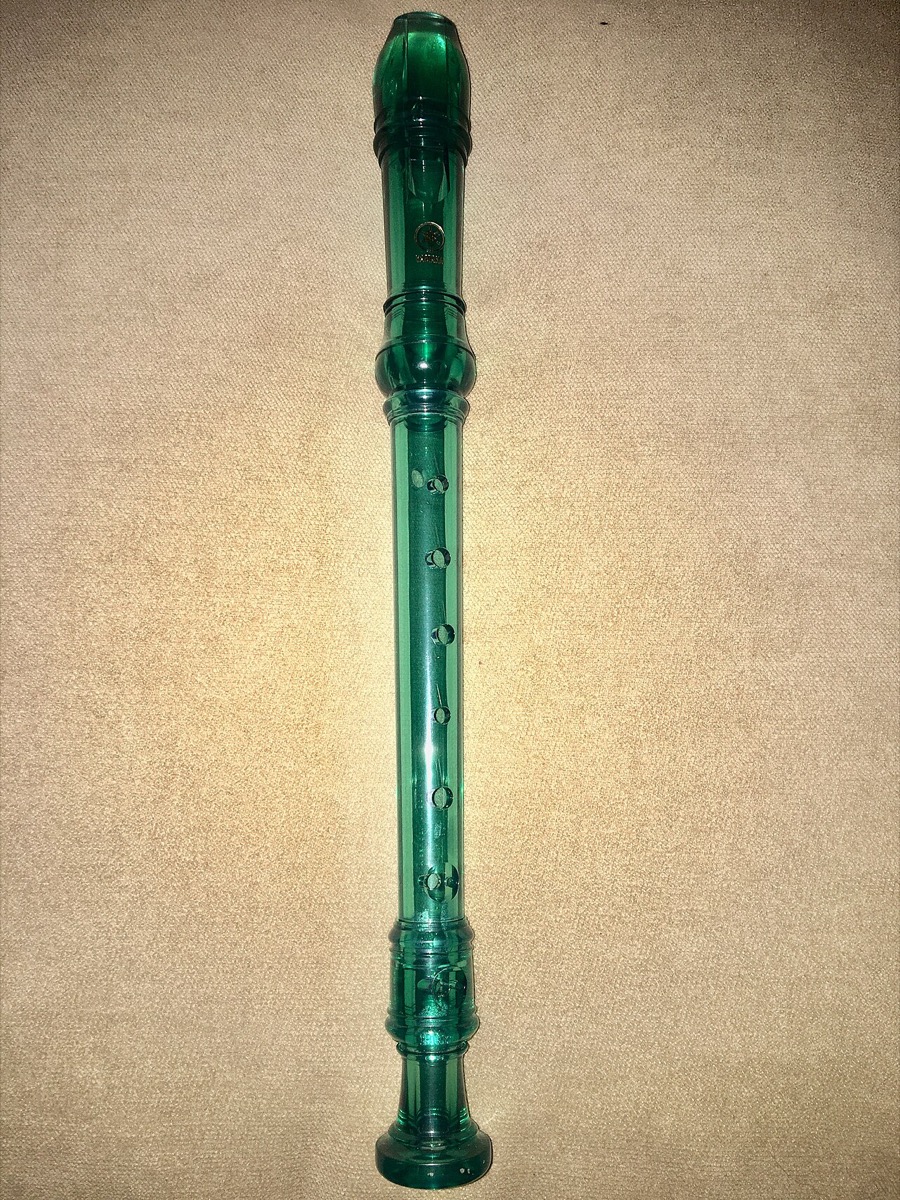
The Classroom Recorder
The squeaky plastic soprano recorder — cheap, indestructible, handed to every third-grader in America. 'Hot Cross Buns' lives in your muscle memory whether you want it there or not, and if you came up in the 2000s, there's a good chance yours had karate belts tied to it.