Biker Mice from Mars

Three motorcycle-riding mice from Mars, Throttle, Modo and Vinnie, crash-land in Chicago and fight the Plutarkians, fish-like aliens out to strip Earth of its resources. It was Marvel's 1993 attempt at the next Ninja Turtles, and its voice cast reads like a Beverly Hills, 90210 cast list.
By the early '90s the Teenage Mutant Ninja Turtles craze was cooling. The cartoon had left first-run syndication for CBS, and franchise merchandise sales had fallen from $1 billion to $200 million, so merchandisers wanted a successor. Rick Ungar, then president of Marvel Productions, created Biker Mice from Mars to be it. He said the idea came at lunch at Jerry's Famous Deli in Studio City, when a group of motorcyclists rolled up and captured the attention of kids and adults alike. Most of the riders turned out to be yuppies, which made him realize how outdated his idea of biker culture was. The plan borrowed the Turtles' playbook on purpose: a comic book in the summer of 1993 to build hype, merchandising deals and a video game in the works before the premiere, and the goal of reaching in five months the popularity the Turtles had built over five years. Ungar openly acknowledged the similarities, but said the writing would be layered enough for adults too. Galoob signed on to make the toys and helped finance the series.
The show premiered in syndication the week of September 19, 1993. Throttle (Rob Paulsen), Modo (Dorian Harewood) and Vinnie (Ian Ziering) escape a war on Mars against the Plutarkians, aliens who plunder other planets' resources after wasting their own, and crash in Chicago. There they meet Charley Davidson, a mechanic who runs the Last Chance Garage. Their enemy, Lawrence Limburger, is a Plutarkian disguised as the city's leading industrialist, and the Plutarkians are mostly named for cheeses: Camembert, Brie, Stilton, Provolone. The usual sign of a win was blowing up Limburger's tower, which he had to rebuild by the next episode. The guest cast leaned on Beverly Hills, 90210: Brian Austin Green, Jason Priestley, Luke Perry, Tori Spelling and Jennie Garth all voiced characters alongside Ziering.
The series ran 65 episodes over three seasons, ending in February 1996, and Konami released a Super NES game in 1994. A 28-episode revival followed in 2006, and in 2023 Ryan Reynolds announced that his company, Maximum Effort, would co-produce a reboot.
Similar items
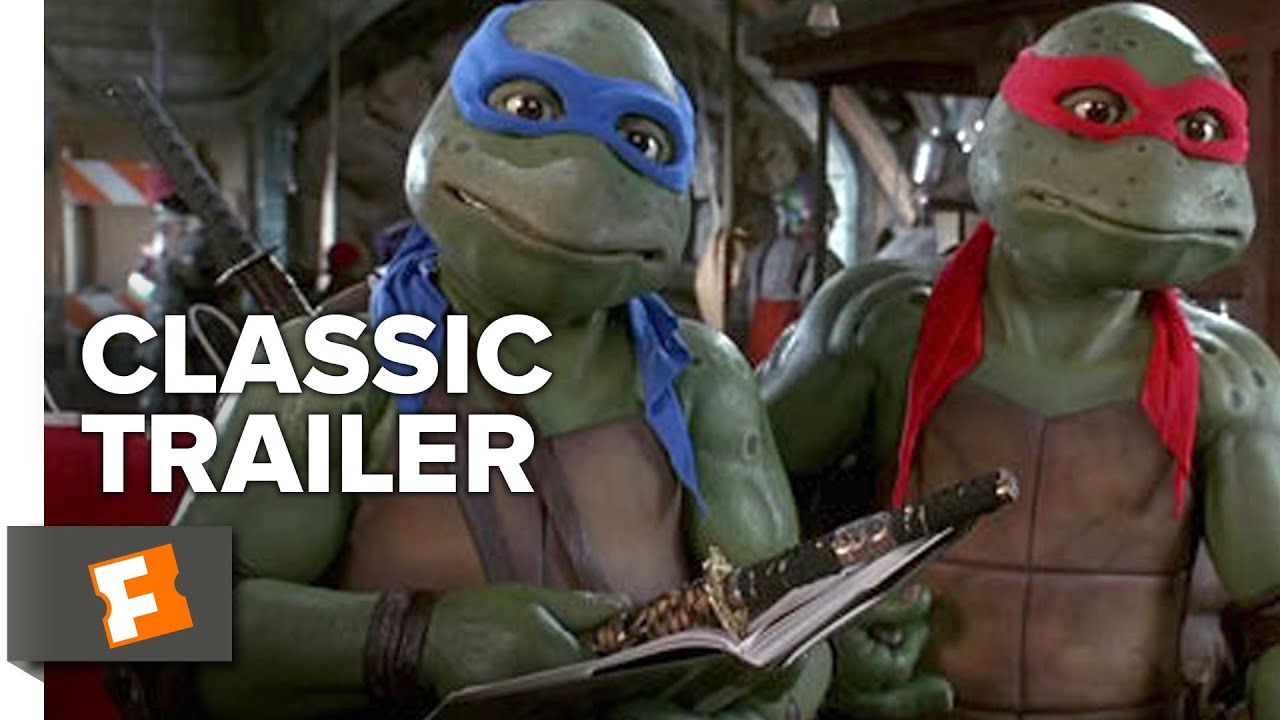
Teenage Mutant Ninja Turtles (1990 film)
The turtles weren't cartoons anymore — they were full-scale animatronic suits in a 1990 film that upended what kids thought they knew. New Line Cinema's take was grittier and darker, pulling from the early comics rather than the toy-aisle sweetness of the animated series. Shot for $13.5 million, it became a sleeper phenomenon, earning over $202 million worldwide. The turtle suits were built by Jim Henson's Creature Shop — one of Henson's last projects before his death just weeks after the premiere.

Beverly Hills, 90210
Brandon and Brenda Walsh move from Minneapolis into a zip code where everyone is gorgeous and every episode is a very special one. Fox's decade-long teen soap made Jason Priestley and Luke Perry into locker-poster royalty and built the genre every later teen drama moved into.
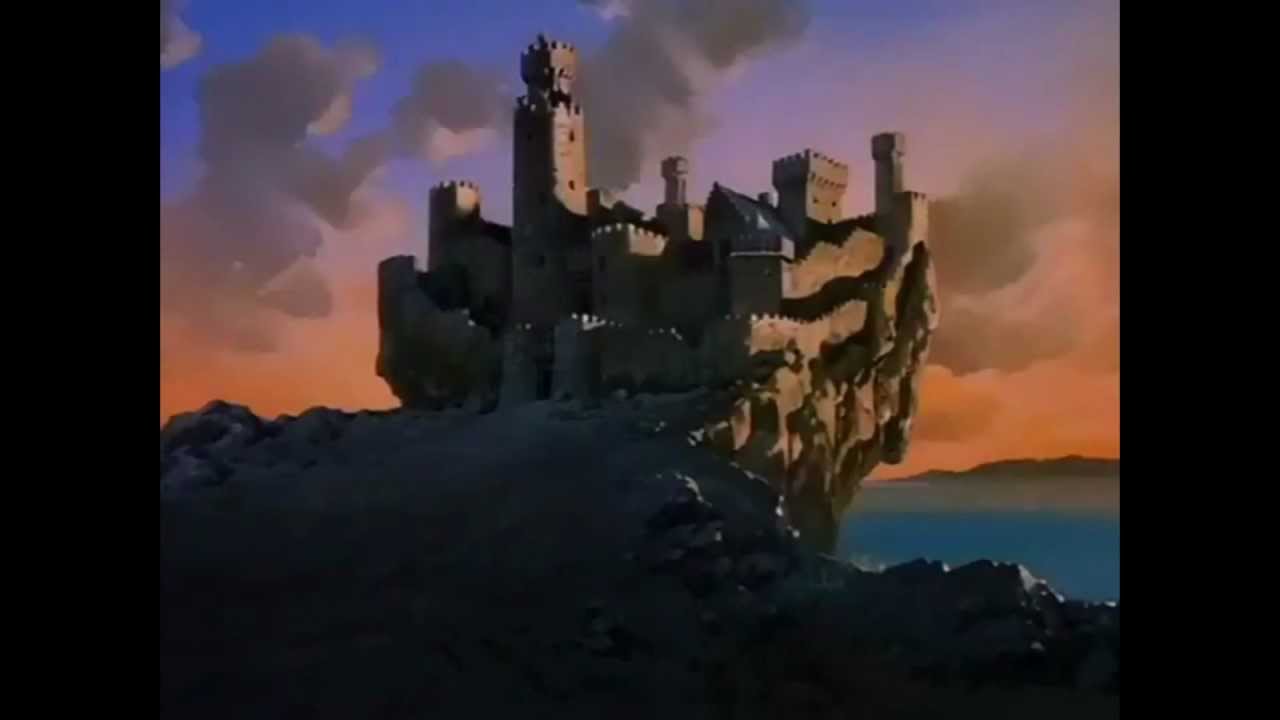
Gargoyles
Disney's dark, Shakespeare-quoting cult classic: stone gargoyles who wake after a thousand years to protect modern Manhattan by night. Half the voice cast came straight from Star Trek: The Next Generation.

Super Nintendo (SNES)
Nintendo's 16-bit powerhouse that dominated the early 1990s and fought the Sega Genesis for console supremacy. Launched in North America at $199 in August 1991, it came packed with Super Mario World and helped define a generation of gaming with over 49 million units sold worldwide.