Whose Line Is It Anyway? (US)

"Everything's made up and the points don't matter." Drew Carey's ABC version of the British improv show premiered August 5, 1998, as summer filler and became a hit, giving Ryan Stiles, Colin Mochrie, and Wayne Brady a weekly stage for Scenes from a Hat, Greatest Hits, and the Hoedown that Stiles hated.
Whose Line Is It Anyway? started in Britain as a BBC Radio 4 show created by Dan Patterson and Mark Leveson in 1988; the Channel 4 television version, hosted by Clive Anderson, ran 136 episodes over ten seasons. The American edition premiered on ABC on August 5, 1998, with Drew Carey as host, opening with a 7.6 rating and 7.4 million viewers. Carey, the star of ABC's The Drew Carey Show, had convinced the network to give it a try as summer filler; the first season ran 20 episodes into March 1999, with a January episode drawing a 9.8 rating, and ABC kept it on the air until 2004.
The format was a game show in which, as Carey announced at the top of every episode, the points don't matter. Ryan Stiles and Colin Mochrie anchored every week, Wayne Brady became the third permanent fixture, and Greg Proops was the most frequent of the rotating fourth chairs; Brad Sherwood and a pre-fame Stephen Colbert turned up in season one. The games were the stars: Scenes from a Hat, Greatest Hits, and Hoedown, the improvised country song that Stiles openly disliked and the audience demanded anyway. Mochrie is the only performer who appeared in all 431 episodes; Stiles missed three.
ABC stopped production in 2003 over low ratings, and the last first-run ABC episode aired September 4, 2004. ABC Family then ran "new" episodes assembled from unaired tapings from January 2005 to December 2007; Carey hosted all 219 episodes across the two networks. The show came back on The CW in July 2013 with Aisha Tyler hosting and Stiles, Mochrie, and Brady still in their chairs, and ran until November 2024; in 2025 Tyler said nothing had been filmed since 2023 and the network had no plans for more.
Similar items

Who Wants to Be a Millionaire
"Is that your final answer?" For a couple of years around the millennium, Regis Philbin, a tiered ladder to a million dollars, three lifelines, and a set that dimmed to a heartbeat pulse made this the biggest show on television — running multiple nights a week and minting the country's first game-show millionaires.
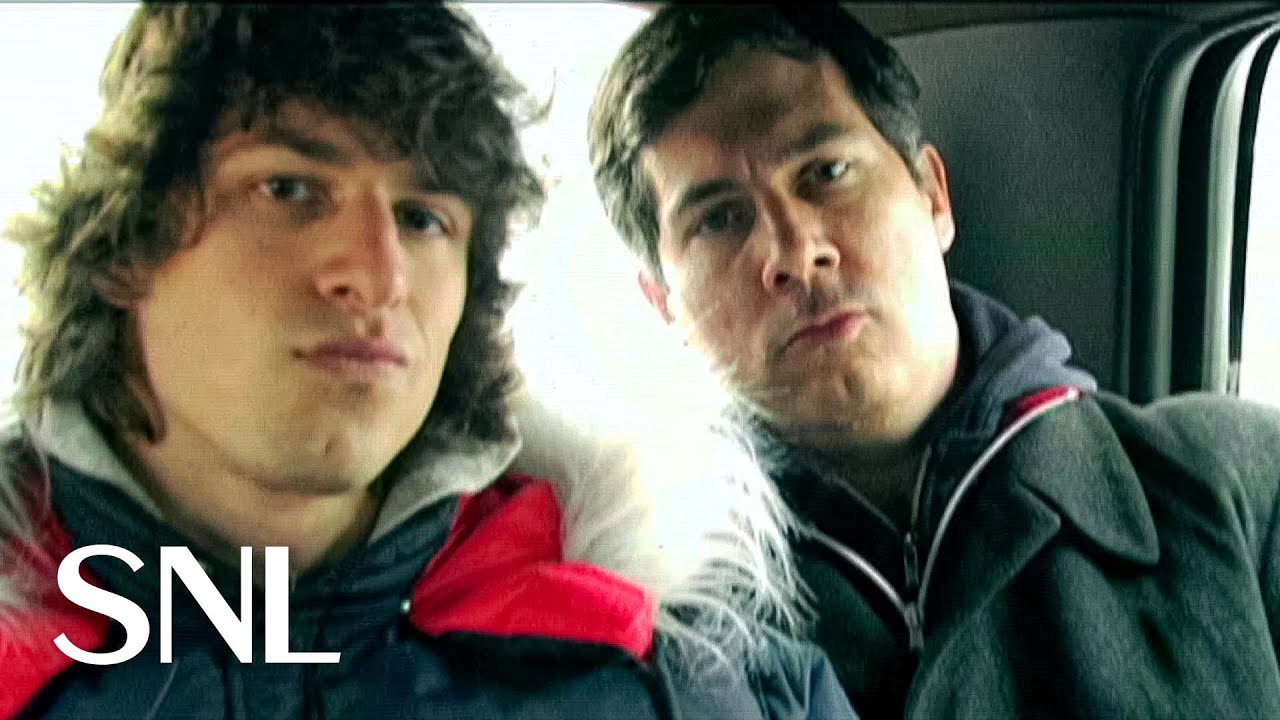
SNL Digital Shorts
"An SNL Digital Short" was the title card that meant Monday's homeroom had material. When "Lazy Sunday" leaked onto a fledgling startup called YouTube in bootleg uploads, it did as much for YouTube as it did for Andy Samberg — and "Dick in a Box" won an actual Emmy.
Home Improvement
Tim Allen's 'Tool Man' ruled the suburban garage with more power and less wisdom than any homeowner should wield. Home Improvement was a blue-collar sitcom about mishaps, masculinity, and the perpetual mystery behind Wilson's always-hidden fence.
Roseanne
The loudest kitchen table on television. Roseanne Barr and John Goodman as Dan and Roseanne Conner, working double shifts in Lanford, Illinois and trading wisecracks about bills, kids, and each other — the sitcom that made a struggling blue-collar family the biggest thing in prime time.