Umbro Shorts
Photo credit: Public domain, via Wikimedia Commons
Shiny nylon soccer shorts in checkerboard prints and highlighter colors, worn by millions of American kids who had no game to get to. Umbro shorts were the unofficial uniform of the early-90s playground — swishy, weightless, and somehow acceptable in every setting from gym class to the mall.
Umbro was never supposed to be a fashion brand. Founded on May 23, 1924 by brothers Harold and Wallace Humphreys in Wilmslow, Cheshire — the name squashes together HUMphreys and BROthers — it spent decades as a serious English football outfitter, its double-diamond logo stitched onto kits worn in the sport's biggest matches. Brazil lifted the 1994 World Cup in Umbro kits, the same year Manchester United won in the diamond.
America, though, met Umbro at the mall. As youth soccer exploded in the late 1980s, the brand's drawstring nylon shorts — bright, baggy, quick-drying, and stamped with that double diamond — jumped the sidelines and became everyday casualwear. By the early 90s they were everywhere: neon solids, geometric prints, checkerboard patterns that matched nothing and didn't need to. Kids wore them over bike shorts, under jeans in locker rooms, three days a week to school. The swish-swish sound of a hallway full of nylon was the ambient noise of an American middle school circa 1992, and unlike most sports apparel, Umbros were gloriously unisex — the rare fad that the whole class wore at once.
The craze faded as the decade went on and baggier streetwear took over, returning the shorts to the soccer fields they came from. The company itself kept moving through corporate hands — Nike bought Umbro in 2008 for £285 million, then sold it to Iconix Brand Group in 2012 — while the diamond kept its place in soccer. But for a certain generation of Americans, the brand will never primarily mean football heritage. It means a dresser drawer stuffed with slippery neon shorts, and the specific confidence of wearing a checkerboard pattern that could be seen from space.
Similar items
Starter Jackets
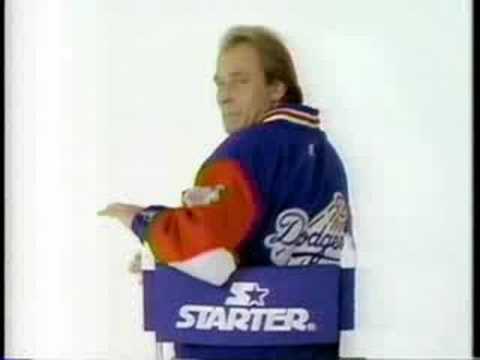
Starter's nylon and satin team jackets were the uniform of 90s cool — oversized windbreakers emblazoned with NBA and NFL team logos that transformed playground basketball courts and city streets into stadiums of style. Starter jackets became so coveted they sparked robberies, making them perhaps the decade's most dangerous fashion statement.

JNCO Jeans
JNCO jeans were the uniform of 90s youth rebellion: outrageously baggy denim with cavernous pockets so deep you could lose a Walkman, decorated with zipper details and an attitude that rejected traditional fit. If you weren't tripping over your cuffs or making those pockets jingle, you weren't dressed for the decade.
Skorts
The best-of-both-worlds garment: a skirt in front, shorts underneath, so you could do a cartwheel or slide into home without flashing anyone. In the '90s the skort jumped off the tennis court and into everyday wardrobes and school-picture outfits everywhere.
Slap Bracelets
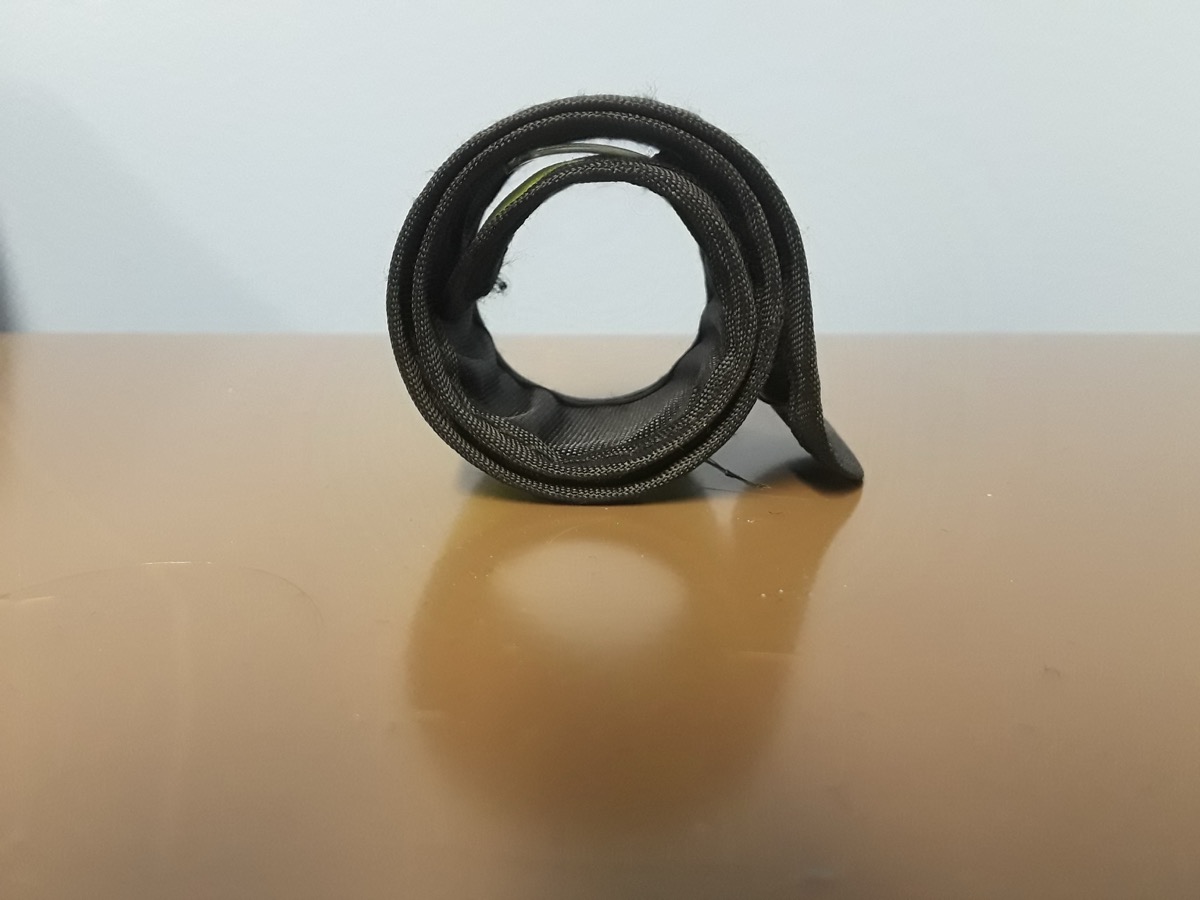
A spring-steel band in a fabric sleeve that snapped flat around your wrist when slapped on — equal parts accessory and weapon. Stuart Anders's invention became a summer craze that vanished just as fast when cheap knockoffs cut kids' wrists and schools banned them outright.