Twister

The 1966 Milton Bradley game where human bodies are the playing pieces — a mat of colored dots, a spinner, and whatever gymnastic chaos it ordained. Every sleepover and birthday party for three generations. No board, no cards, no pieces to lose — just awkward entanglement and the last player standing.
Reyn Guyer led the project and conceived the core concept, working with Charles Foley and Neil Rabens. Foley suggested the rows of colored dots and the spinner; Rabens added the placement of hands and feet on the circles. Milton Bradley signed the licensing agreement on February 1, 1966. It was originally called "Pretzel" — Transogram held that trademark, so the name became Twister. Competitors accused Milton Bradley of "selling sex in a box" — reportedly because it was the first popular American game to use human bodies as the playing pieces. The breakthrough came May 3, 1966, when Eva Gabor played it with Johnny Carson on The Tonight Show. The game took off, and 3 million copies sold in 1967 alone.
Hasbro acquired Milton Bradley in 1984 and still sells Twister today. The ritual never changed: spin, get a directive ("left hand red"), contort yourself over the mat, and pray you don't fall. Knees tangled, elbows crossing, feet hooked around dots — the rules were simple; the results were chaos. For 90s kids, as for every generation since 1966, Twister was sleepover furniture, a birthday-party rite, and a reliable way to find out which friends would bail at the first sign of physical proximity. (The 1996 tornado blockbuster of the same name is a different memory entirely — it lives elsewhere in this database.)
Similar items
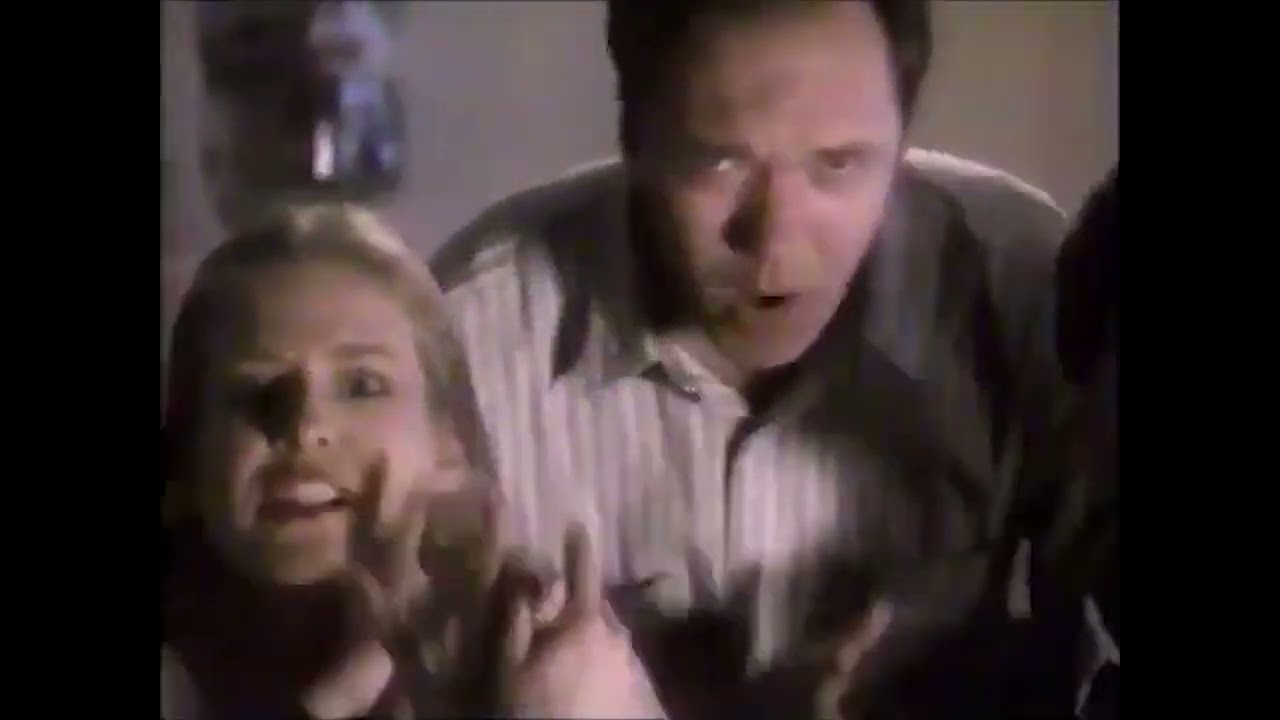
Guesstures
Milton Bradley's card-eating Mimer-Timer made charades brutal: load four cards, mime frantically, and the instant a teammate shouts the right answer, lunge to snatch the card before the machine swallows it. Swallowed cards score nothing.

Mouse Trap
Nobody ever played Mouse Trap by the actual rules. You built the glorious crank-gear-boot-bucket contraption, dropped the cage on somebody's mouse, and called it a night — exactly as every 90s kid intended. A Rube Goldberg machine in a box, on toy shelves since 1963.
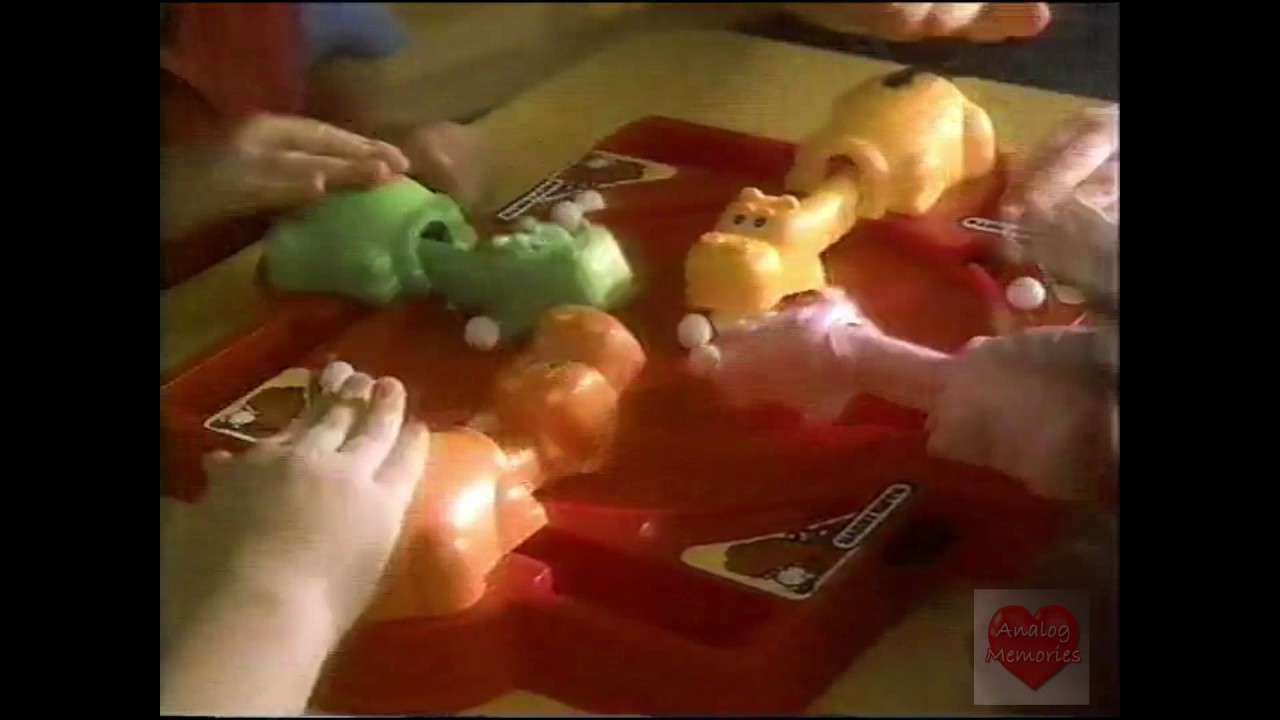
Hungry Hungry Hippos
Four plastic hippos, a pile of marbles, zero strategy — just lever-slamming chaos and the loudest thirty seconds in the toy closet. Milton Bradley's 1978 classic was every 90s kid's first taste of pure competitive frenzy.

Twister
Two storm-chasing exes and an experimental sensor pod named Dorothy, racing a corporate rival — and the sky itself — across the Plains. It gave the world a CGI flying cow, "We got cows," a near-$500 million gross, and, quietly, one of the first movies ever released on DVD in America.