Tim McGraw
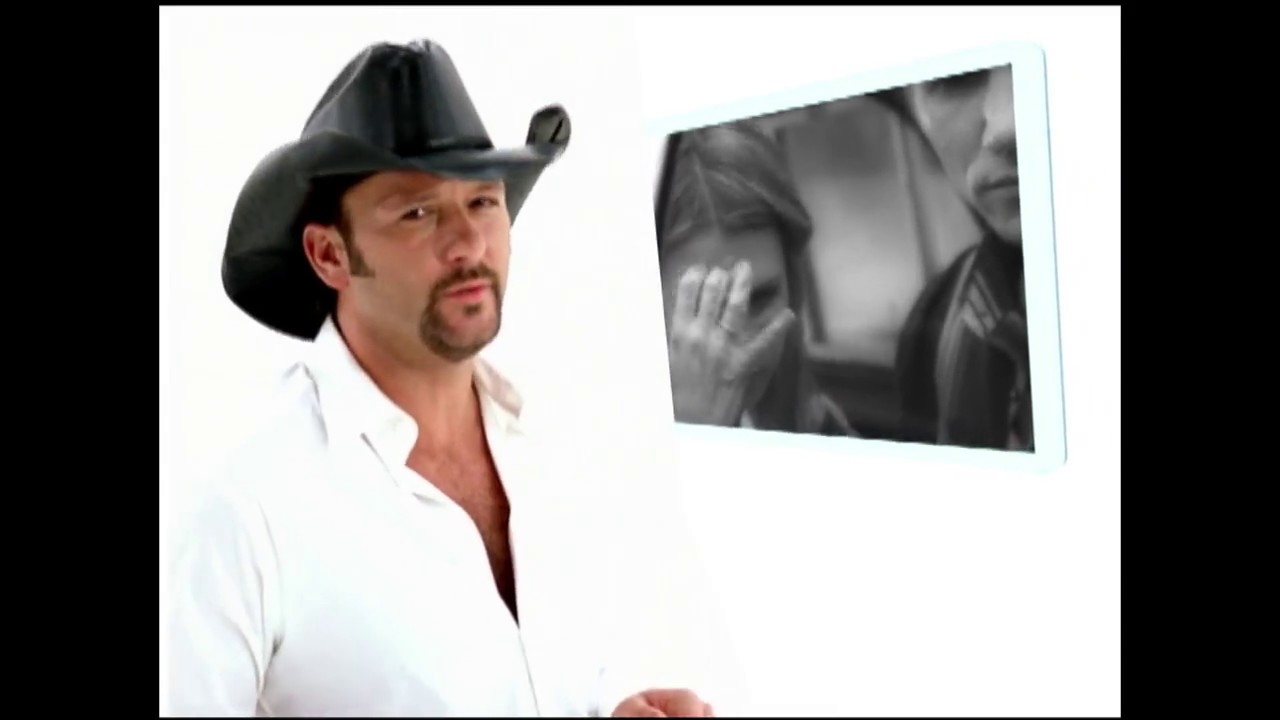
The son of a World Series pitcher who made every girl at the county fair cry at "Don't Take the Girl." Tim McGraw went from a flop debut to the best-selling country album of 1994, married Faith Hill on the road, and closed his decade with "Live Like You Were Dying," the song he cut the year his father died.
Samuel Timothy McGraw was born in 1967, the eldest son of big-league pitcher Tug McGraw, and his first break came through his father's friends: a demo he gave Tug was heard by a man who knew Curb Records executives, and Curb signed him in 1990. The start was rough. His first single, in March 1991, did not chart, and a Philadelphia program director later admitted he had booked the kid only for his father's name and thought the record was "terrible." The 1993 debut album never charted either. Then Not a Moment Too Soon arrived in 1994 and became the year's best-selling country album: "Indian Outlaw" courted controversy and reached number fifteen on the Hot 100, and "Don't Take the Girl," a three-verse tearjerker about a boy, a fishing trip, a hold-up at the picture show, and a hospital bed, gave him his first number one. Billboard's reviewer predicted it would have listeners "crying in their beer in the dancehalls down in Texas."
In 1996 he headlined the Spontaneous Combustion Tour, the most successful country tour of that year, with Faith Hill opening; she broke off an engagement, and they married on October 6. Their duet "It's Your Love" was Billboard's top country song of 1997, and his "Just to See You Smile" took the same honor for 1998 while setting a record 42 weeks on the chart. In 2000 he and Hill's Soul2Soul tour played 64 venues including Madison Square Garden. In Buffalo that year, Kenny Chesney climbed onto a police horse and would not get down; McGraw waded in, both were arrested, and both were acquitted the next year. Weeks later Hill walked onstage dressed as a cop and led him off.
Tug McGraw was diagnosed with a brain tumor in March 2003 and died in January 2004. That June his son released "Live Like You Were Dying," written by Tim Nichols and Craig Wiseman about friends who had learned they had limited time; McGraw had gone fishing with his father before a bypass surgery, and the alternate video ends on Tug's final strike for the 1980 champion Phillies. It spent seven weeks at number one, was the top country song of 2004, and swept Single and Song of the Year at both the CMA and ACM awards plus the Grammy for Best Country Song. His duet with Nelly, "Over and Over," released that fall, went on to top the UK chart in 2005.
He went on to Friday Night Lights, The Blind Side, and 1883, and his tours rank fourth among country acts in Billboard's Boxscore ledger. He entered the Country Music Hall of Fame in 2026.
Similar items

Faith Hill
The voice that floated out of every car radio in 1998 riding a nectarine through a CGI garden. Faith Hill went from "Wild One" to "This Kiss" to "Breathe," the biggest single of 2000, and took country to the pop charts, the Super Bowl, and the CoverGirl counter, with Tim McGraw beside her from 1996 on.

Kenny Chesney
Flip-flops, a straw hat, and a stadium full of people who had never been to the Caribbean singing about it anyway. Kenny Chesney turned "No Shoes, No Shirt, No Problems" into a brand and the 2000s into one long beach party, winning four ACM Entertainer of the Year awards in a row and building the biggest touring career in Billboard's country ledger.
Nelly
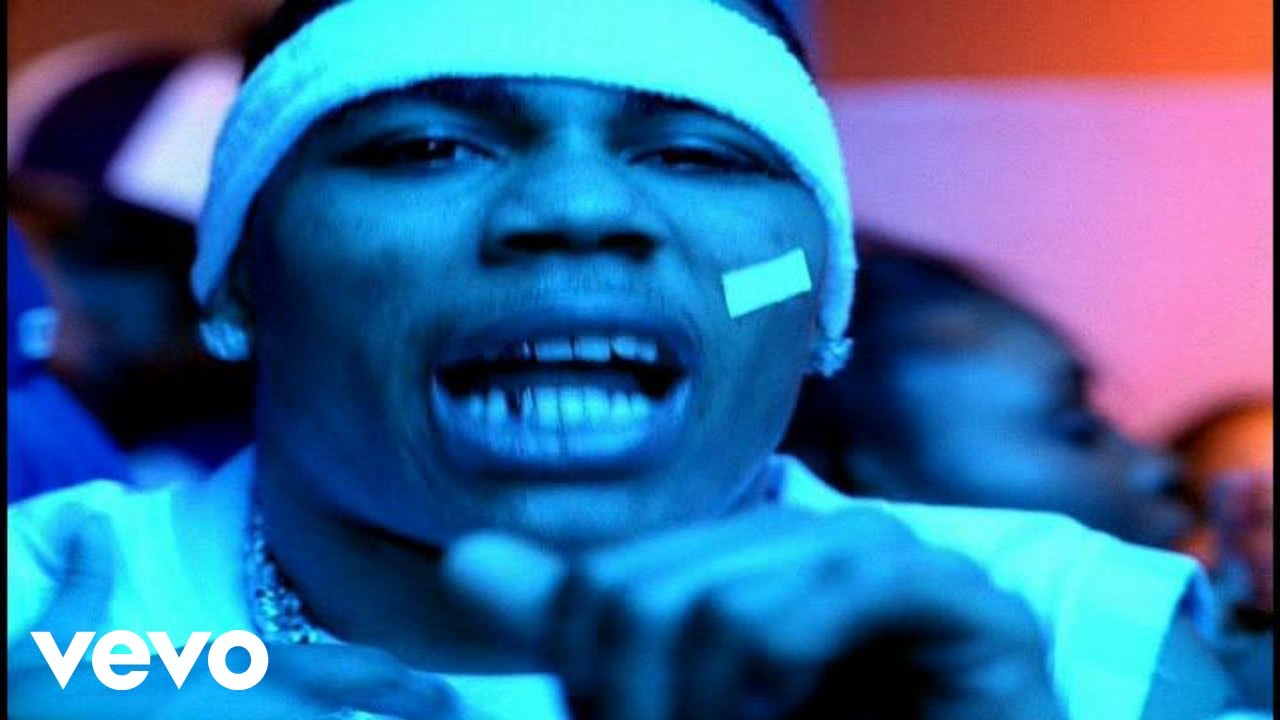
For the first half of the 2000s, Nelly was pop-rap's biggest crossover star — the Band-Aid-cheeked St. Louis rapper behind "Hot in Herre" and "Dilemma," a run of singalong hits that owned radio, MTV, and the charts.

Friday Night Lights
Clear eyes, full hearts, can't lose. Peter Berg's documentary-style drama about a small-town Texas football coach and his wife, Kyle Chandler and Connie Britton as Eric and Tami Taylor, never found a big audience on NBC, got rescued by a satellite-TV deal, and ran five seasons (2006–2011) that critics still rank among the decade's best.