The Silence of the Lambs

Clarice Starling, Hannibal Lecter behind the glass, fava beans and a nice Chianti. Jonathan Demme's 1991 thriller opened on Valentine's Day, swept the top five Oscars, and remains the only horror film ever to win Best Picture. Lecter is still the AFI's number-one movie villain.
Thomas Harris's 1988 novel was the second Lecter book to reach the screen; Michael Mann's Manhunter had flopped in 1986, which is why producer Dino De Laurentiis lent Orion the rights to the character for free. The studio's first plan had Gene Hackman directing and starring, as either Jack Crawford or Lecter. Ted Tally was halfway through his first draft when Hackman pulled out; his children wanted him to stop making violent films. Orion's Mike Medavoy told Tally to keep writing and went looking for a director. Jonathan Demme signed on after reading the novel, before the script was finished. "We met in May 1989 and were shooting in November," Tally said.
Jodie Foster wanted Clarice from the moment she read the book, and she had just won Best Actress for The Accused, but Demme's first choice was Michelle Pfeiffer, who turned it down ("I got nervous about the subject matter"), and then Meg Ryan, who did the same. With the studio unconvinced that Laura Dern could carry it, Foster got the part on the strength of her passion for the character. Sean Connery passed on Lecter; Anthony Hopkins was offered it on the strength of The Elephant Man, asked his agent whether The Silence of the Lambs was a children's story, read ten pages and called it the best part he had ever read. He played Lecter still and unblinking, and the restraint mask was built by Ed Cubberly of Frenchtown, New Jersey, who made masks for NHL goalies. Filming ran from November 1989 to March 1990, mostly around Pittsburgh, and the FBI, in a rare act of cooperation, let the crew shoot at Quantico and put agents in bit parts.
Orion released it on February 14, 1991. It opened at number one, stayed there five weeks, and finished with $272.7 million worldwide on a $19 million budget, the fifth-biggest film of the year. At the Academy Awards the next year it took Best Picture, Director, Actor, Actress and Adapted Screenplay, the third film ever to win the "big five" after It Happened One Night and One Flew Over the Cuckoo's Nest, and the only horror film to win Best Picture. When the tape arrived that October it was the most rented video in America, and the second most rented of 1992.
The film drew lasting criticism from gay and feminist critics over Buffalo Bill, which Demme rejected ("he wasn't a gay character") and which Betty Friedan amplified in 1992, and transgender critics have pressed the case since. Its influence is hard to overstate: the Guardian noted that before Lecter, movie serial killers had been "claw-handed bogeymen with melty faces and rubber masks." The AFI ranks Lecter the greatest screen villain and Clarice its sixth-greatest hero, and the Library of Congress added the film to the National Film Registry in 2011. Foster and Demme skipped the gorier Hannibal in 2001; Hopkins came back for it and for Red Dragon.
Similar items

Se7en
Two detectives, a nameless city where it never stops raining, and a killer working his way through the seven deadly sins. David Fincher's 1995 thriller ends with a box, and with an ending the studio fought to change and lost.

The X-Files
Fox's paranoia engine: FBI agents Mulder and Scully investigating UFOs, monsters, and government cover-ups one case file at a time. Created by Chris Carter, The X-Files turned "I Want to Believe" into a mantra and proved that prime-time TV could do serialized mythology decades before the streaming age demanded it.
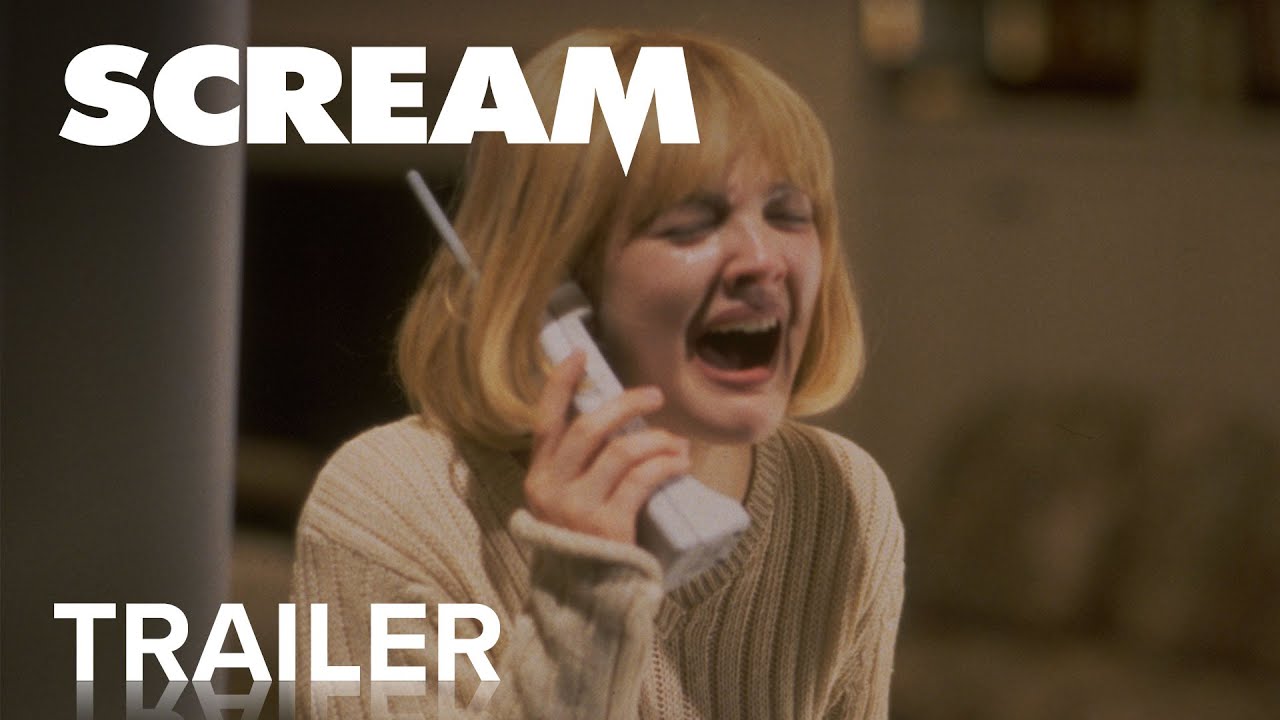
Scream
Ghostface's taunting phone calls — "What's your favorite scary movie?" — and a cast of teens who knew all the horror rules and died anyway. Wes Craven's self-aware slasher reinvented the genre for the Blockbuster generation.

Goodfellas
"Funny how? Do I amuse you?" Martin Scorsese's 1990 life of mob associate Henry Hill: the Copacabana tracking shot, Joe Pesci's Oscar, and the fastest two and a half hours in gangster movies. The film that taught a generation how wiseguys talked, and the one that inspired The Sopranos.