The Shield

FX's first drama opened with Vic Mackey shooting a fellow cop and spent seven seasons making you root for him anyway. Michael Chiklis shaved his head, lost the weight and won the Emmy, and basic cable found out it could do what HBO did.
Shawn Ryan had written upbeat scripts for Nash Bridges and wanted to get something very different out of his system: a cop drama with the edge of Homicide and NYPD Blue, written as if for HBO or Showtime. The Los Angeles Police Department's Rampart Division scandal broke while he was working it out, and the pilot took its shape from those events. Its ending — Vic Mackey killing Terry Crowley, the new Strike Team member he had learned was building a federal case against him, and framing a suspect — was written without any expectation that the script would be picked up.
FX was looking for its first original drama to set the network's tone, with The Sopranos thriving on HBO, and executive Kevin Reilly wanted an antihero show even though he thought the cop genre was tired. The series order came at the end of August 2001. Then came September 11, and the fear that audiences would not accept police shown in a negative light; the box-office success of Training Day that October reassured the network, and the show premiered on March 12, 2002. Ryan had written Mackey for "a young Harrison Ford personality." Michael Chiklis, known for softer roles on The Commish and Daddio, had taken six months off, lost a significant amount of weight and shaved his head for the audition, and Ryan found the charisma that let a compassionate, corrupt man carry a series.
The Strike Team — Mackey, Shane Vendrell, Curtis Lemansky and Ronnie Gardocki — worked out of a converted church called the Barn in the fictional Farmington district, skimming drug busts and coercing information while Captain David Aceveda, suspicious but ambitious, valued their results for his run at the mayor's office. The premiere's 4.1 rating was at the time a record for a drama on basic cable, and the content cost it advertisers including Burger King and Office Depot after Parents Television Council complaints. Chiklis won the Outstanding Lead Actor in a Drama Emmy for the first season and a Golden Globe in 2003, the year the show also won the Globe for Best Drama Series; Glenn Close and CCH Pounder were both Emmy-nominated for the fourth season.
The seventh and final season ran from September 2 to November 25, 2008, and it collected every debt: Vendrell killed his family and himself, Gardocki was arrested for the Strike Team's crimes, Mackey's wife took the children into witness protection, and Vic's immunity deal left him chained to a desk at ICE with no power at all. The last shot has him hearing sirens, holstering his gun and walking out to an unknown destination. Entertainment Weekly named it the eighth-best show of the 2000s, and The Guardian later called it "a key part of the golden age of antihero drama."
Similar items

The Sopranos
Tony Soprano walks into a psychiatrist's office with panic attacks—and changed television forever. HBO's landmark 1999 drama paired mob violence with suburban therapy, making prestige TV a thing.

NYPD Blue
Steven Bochco and David Milch's 15th Precinct brought handheld cameras, raw language and bare backsides to network television in 1993 — and dozens of ABC affiliates refused to air it. The ratings won the argument, Dennis Franz's Andy Sipowicz became the squad room's battered conscience, and the show ran twelve seasons.

Nip/Tuck
"Tell me what you don't like about yourself." Ryan Murphy's Miami plastic surgeons greeted their patients with that question and then showed you the surgery — and the sex, the serial rapist called the Carver, and more than basic cable had ever shown before.
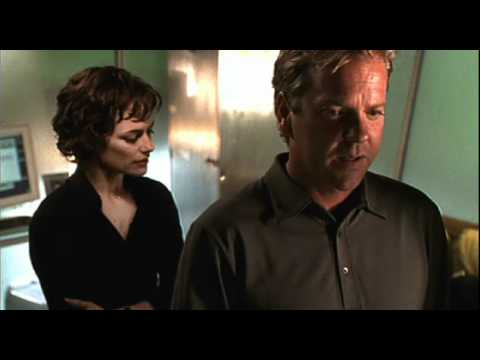
24
A high-octane Fox thriller that premiered November 2001, starring Kiefer Sutherland as CTU (Counter-Terrorism Unit) agent Jack Bauer. Each season depicts a single continuous 24-hour day with one episode per hour, complete with a ticking on-screen clock and split-screen "meanwhile" shots. The show's relentless pacing, cliffhangers, and post-9/11-era terrorism plots made it a cultural phenomenon that redefined the thriller format for television.