The Daily Show
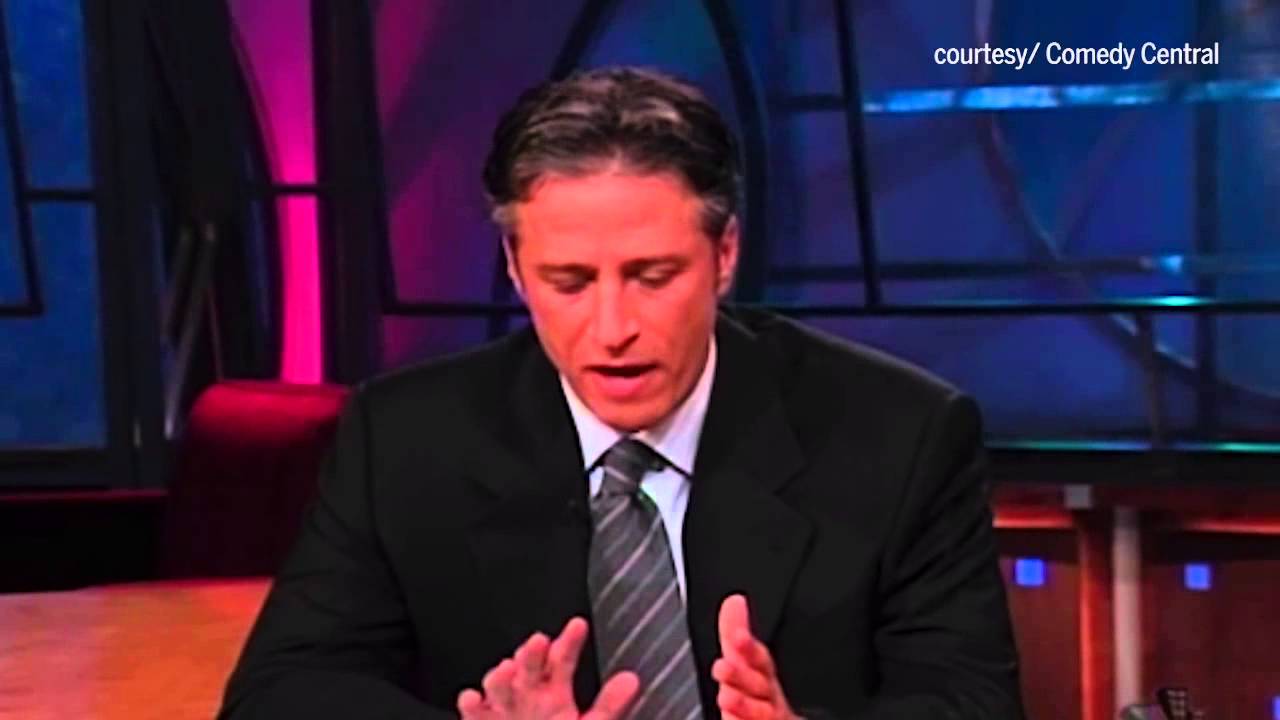
A fake newscast that became a real ritual: eleven p.m. on Comedy Central, Jon Stewart at the desk, the day's news taken apart piece by piece. For a generation in dorm rooms and first apartments, this was how the 2000s got processed — and quoted at work the next morning.
Comedy Central premiered The Daily Show on July 22, 1996, created by Lizz Winstead and Madeleine Smithberg and hosted by Craig Kilborn as a pop-culture-focused mock newscast. It was clever, but it found its spine when Jon Stewart took the chair on January 11, 1999. Retitled The Daily Show with Jon Stewart, the show turned its attention to politics and the news media itself — how news got made, which stories mattered, and where the logic broke down.
The rituals accumulated. Every presidential cycle brought the "Indecision" election specials (2000, 2004, 2008), and every episode closed with "Your Moment of Zen," a clip so absurd it needed no commentary. The correspondent desk became a comedy farm system: Stephen Colbert, Steve Carell, and John Oliver all came up through it, and Colbert's spin-off The Colbert Report launched in October 2005, giving Comedy Central a full hour of fake news a night. During Stewart's tenure the show won 23 Primetime Emmy Awards and three Peabody Awards, and it stands as Comedy Central's longest-running program.
Stewart signed off on August 6, 2015 — 16 years and 207 days after he started — and Trevor Noah took the desk that September. What lingers is the ritual itself: the 11 p.m. appointment, the desk, the raised eyebrow, the clip played one more time so everyone could appreciate exactly how absurd it was. For one generation, that half hour was how the news made sense — or at least how it became bearable.
Similar items

Chappelle's Show
The sketch show that owned the mid-2000s. Dave Chappelle's Comedy Central juggernaut turned razor-sharp racial satire and absurd characters into the most-quoted comedy of the decade — "I'm Rick James, b****!" echoing down every school hallway.

The Colbert Report
A "well-intentioned, poorly informed, high-status idiot" in a flag-draped Eagle's Nest, four nights a week after The Daily Show. Stephen Colbert coined "truthiness" on night one, roasted the president to his face at the 2006 Correspondents' Dinner, ran for president, started a real super PAC and never once broke character — well, almost never.
South Park
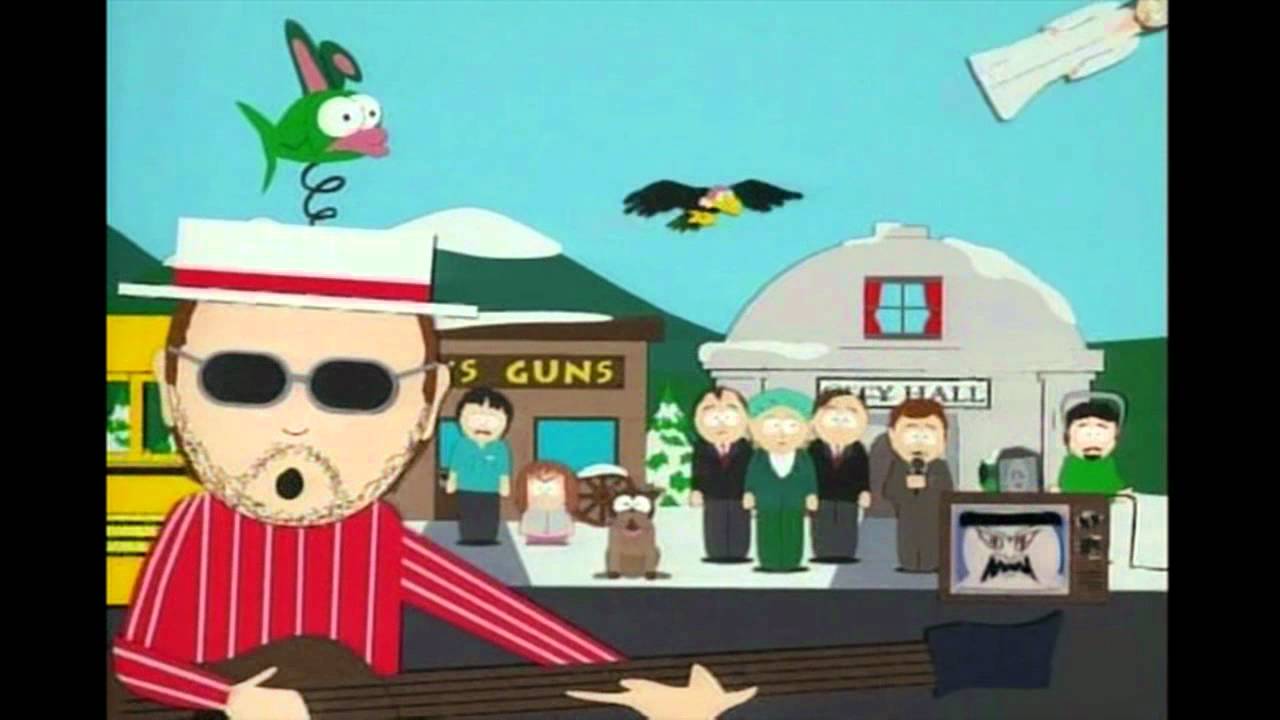
The construction-paper kids from Colorado who never stopped talking. South Park arrived in 1997 as basic cable's biggest shock — then spent the 2000s proving it was television's fastest satire machine, with episodes built in days so it could mock the news while it was still news.

120 Minutes
MTV's late-night alternative-music show, two hours of videos the daytime rotation wouldn't touch, from Hüsker Dü and Morrissey to the world premiere of "Smells Like Teen Spirit." For a generation that stayed up for it, the 1990s hosts Lewis Largent and the encyclopedic Matt Pinfield were the gatekeepers of what counted as cool.