The Colbert Report

A "well-intentioned, poorly informed, high-status idiot" in a flag-draped Eagle's Nest, four nights a week after The Daily Show. Stephen Colbert coined "truthiness" on night one, roasted the president to his face at the 2006 Correspondents' Dinner, ran for president, started a real super PAC and never once broke character — well, almost never.
The character came first. Stephen Colbert played a self-important reporter on The Dana Carvey Show in 1996, joined The Daily Show in 1997, and sharpened the pundit persona there under Jon Stewart in segments like "Even Stepvhen" with Steve Carell and in fake 2003 promos for a show called The Colbert Réport. When Carell left for The Office, Comedy Central wanted to keep Colbert, and he, Stewart and Ben Karlin reportedly pitched the network a one-line idea: "Our version of the O'Reilly Factor with Stephen Colbert." Network president Doug Herzog gave them an eight-week tryout with no pilot. Stewart set the tone of the character in one note. Colbert hoped the host would not be a jerk; Stewart told him, "You're not an asshole. You're an idiot. There's a difference."
The Colbert Report premiered on October 17, 2005, with Stone Phillips, one of the character's models, as the first guest, and coined "truthiness" that night — the American Dialect Society's word of the year for 2005 and Merriam-Webster's for 2006. The set, the Eagle's Nest, was a "hyper-American" room with every line converging on the desk; the theme was Cheap Trick's "Baby Mumbles," largely "I Want You to Want Me" backwards; "The Word" parodied Bill O'Reilly's Talking Points Memo, and O'Reilly himself was "Papa Bear." The premiere drew 1.13 million viewers, and within a year the show averaged 1.5 million a night. On April 29, 2006, Colbert headlined the White House Correspondents' Dinner in character, a few feet from George W. Bush, and the room went cold while the internet lit up; Frank Rich later called it the defining moment of that year's midterm elections.
The bits kept escaping the studio. Colbert won an online poll to name a bridge in Hungary and was disqualified, got a Ben & Jerry's flavor in 2007, and stayed on the air through the writers' strike pronouncing the formerly silent t's. In 2010 he testified before a House subcommittee on farm labor in character, and co-hosted the Rally to Restore Sanity and/or Fear with Stewart on the National Mall, where about 215,000 people turned up. In 2011 he founded an actual super PAC, Americans for a Better Tomorrow, Tomorrow, "100 percent legal and at least 10 percent ethical," which raised more than a million dollars and earned the show one of its two Peabody Awards for teaching viewers how campaign finance worked. A 2012 interview with Maurice Sendak was one of the rare times the host broke.
The Report lost the Outstanding Variety Series Emmy to The Daily Show every year until 2013, when it finally ended Stewart's streak, and won again in 2014. The last of 1,447 episodes aired on December 18, 2014, with Colbert killing Death, becoming immortal and singing "We'll Meet Again" alongside Stewart, Big Bird, Henry Kissinger and Cookie Monster, before leaving for CBS to succeed David Letterman.
Similar items
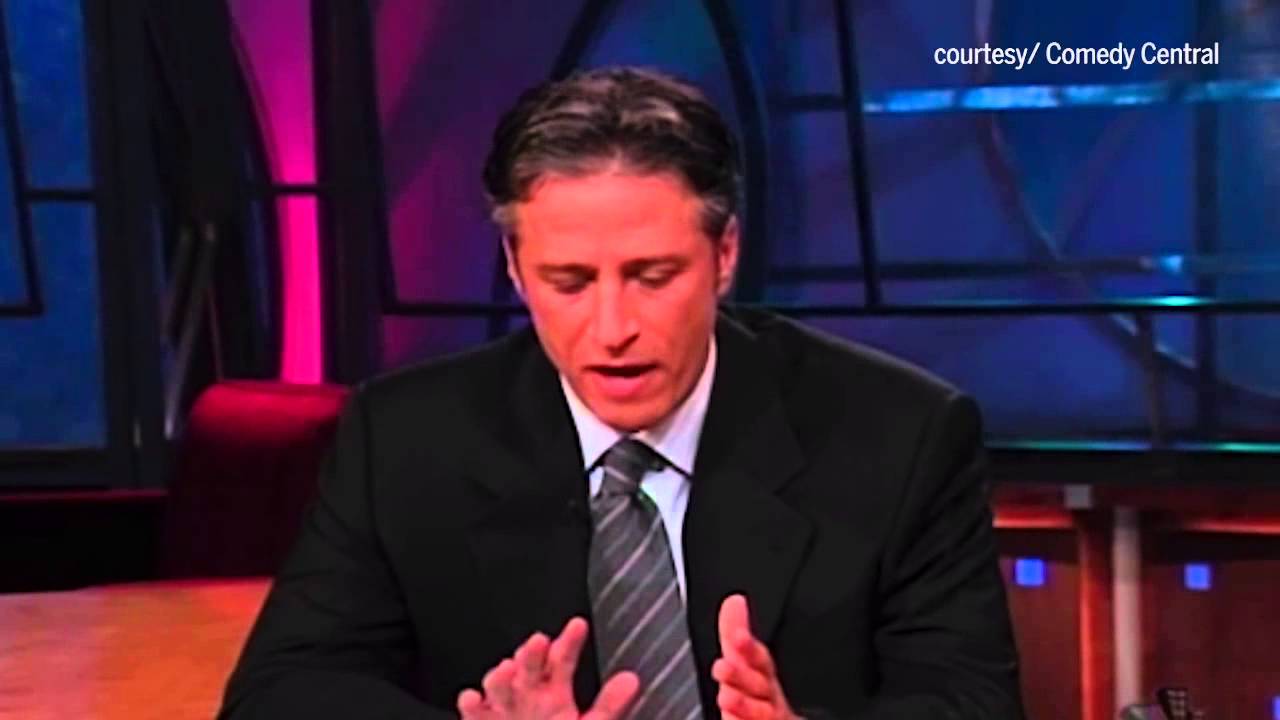
The Daily Show
A fake newscast that became a real ritual: eleven p.m. on Comedy Central, Jon Stewart at the desk, the day's news taken apart piece by piece. For a generation in dorm rooms and first apartments, this was how the 2000s got processed — and quoted at work the next morning.
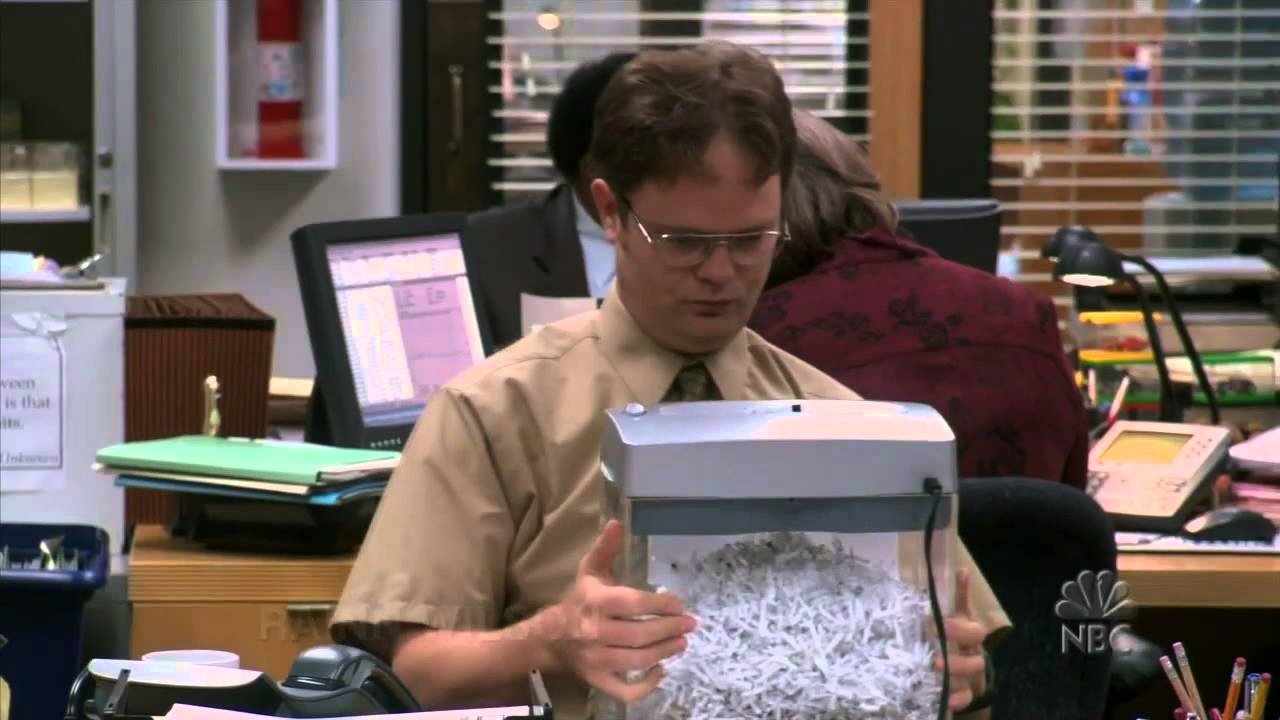
The Office (US)
NBC's mockumentary sitcom that redefined the office comedy for a generation. Premiering March 24, 2005, The Office followed the bumbling, endearing Michael Scott (Steve Carell) and the Dunder Mifflin paper company through deadpan interviews and cringey humor that somehow made you love him anyway.

Chappelle's Show
The sketch show that owned the mid-2000s. Dave Chappelle's Comedy Central juggernaut turned razor-sharp racial satire and absurd characters into the most-quoted comedy of the decade — "I'm Rick James, b****!" echoing down every school hallway.
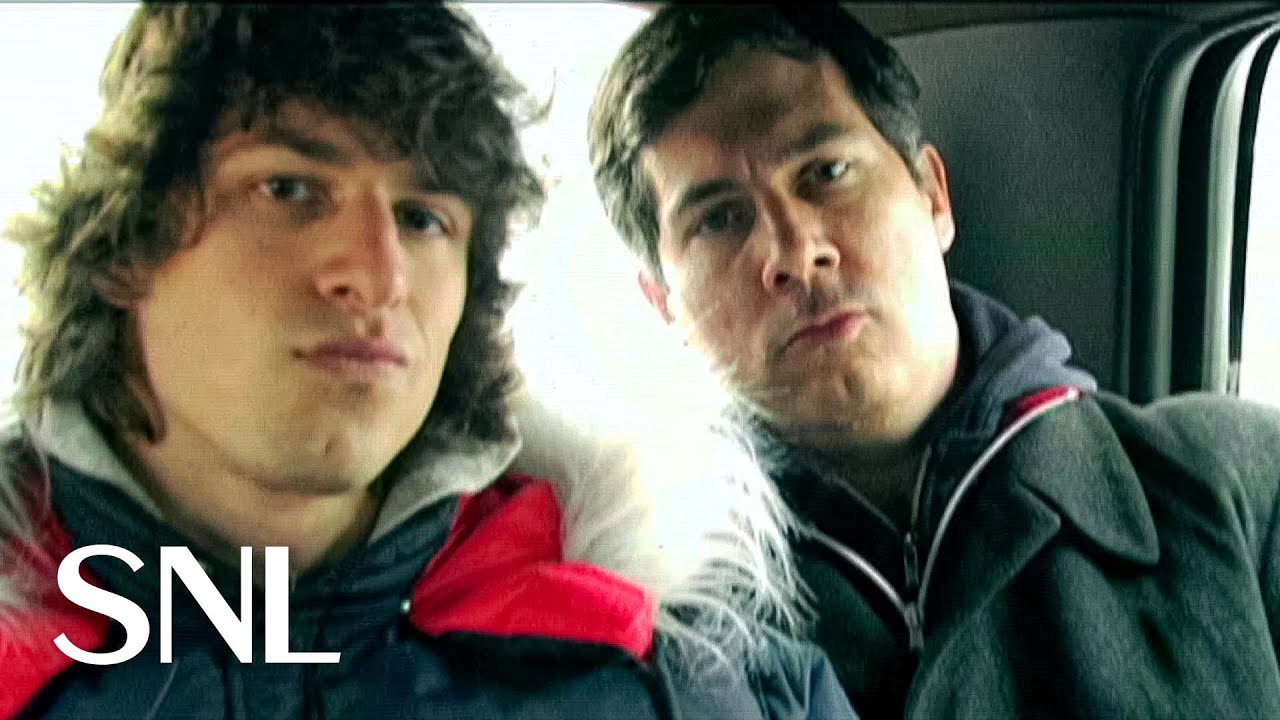
SNL Digital Shorts
"An SNL Digital Short" was the title card that meant Monday's homeroom had material. When "Lazy Sunday" leaked onto a fledgling startup called YouTube in bootleg uploads, it did as much for YouTube as it did for Andy Samberg — and "Dick in a Box" won an actual Emmy.