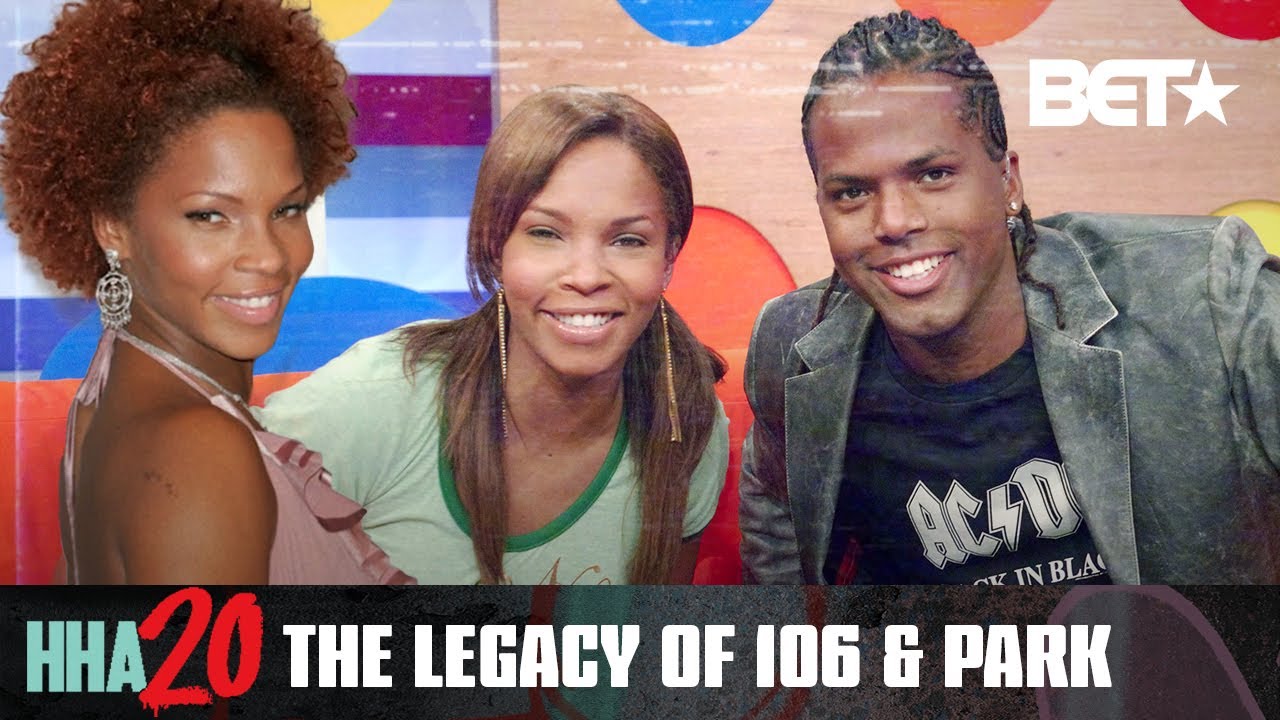
106 & Park
BET's live countdown couch — AJ and Free, a screaming studio audience, Freestyle Friday battles, and the top hip-hop and R&B videos of the day. For fourteen years, this was where rap premieres actually happened.
11 items
BET's live countdown couch — AJ and Free, a screaming studio audience, Freestyle Friday battles, and the top hip-hop and R&B videos of the day. For fourteen years, this was where rap premieres actually happened.
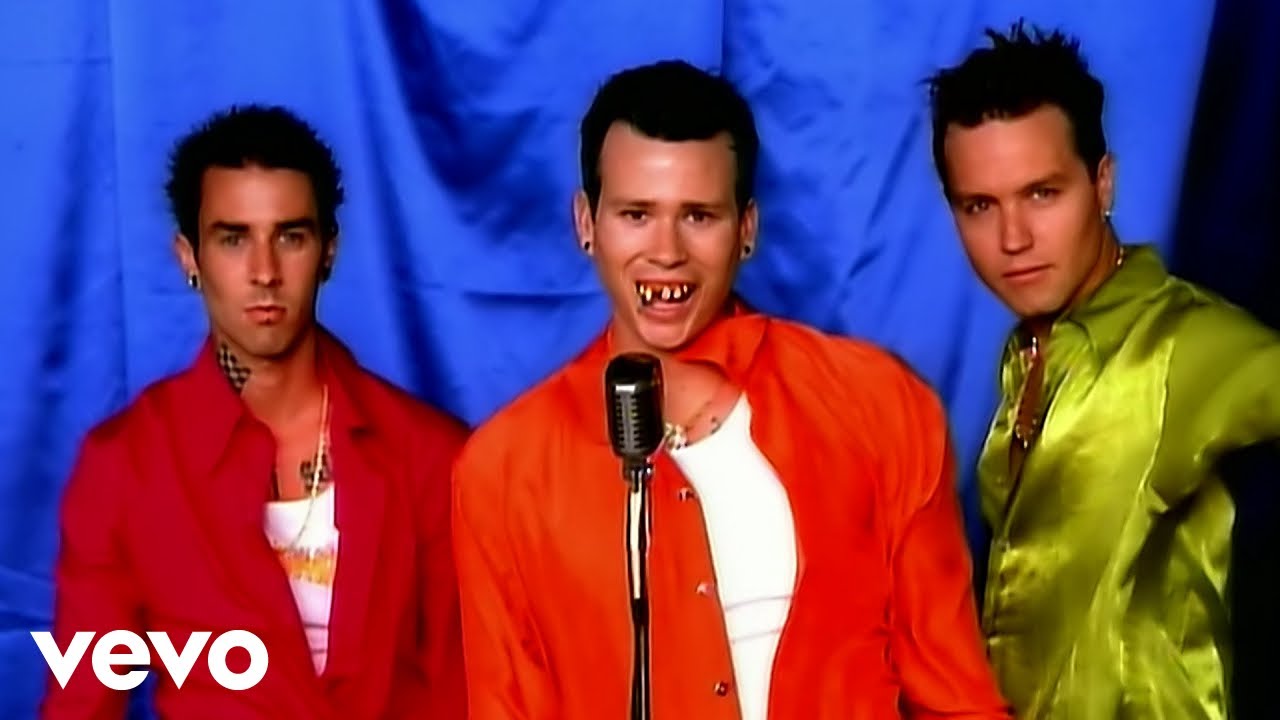
The perfect parody disguised as a perfect pop song. Blink-182 conquered TRL and the Billboard Hot 100 by mocking the very boy-band videos they shared the countdown with, with a "na-na-na-na" hook so contagious it rewired a million brains. Won Best Group Video at the 2000 MTV VMAs and became the guitar riff every beginner learned.
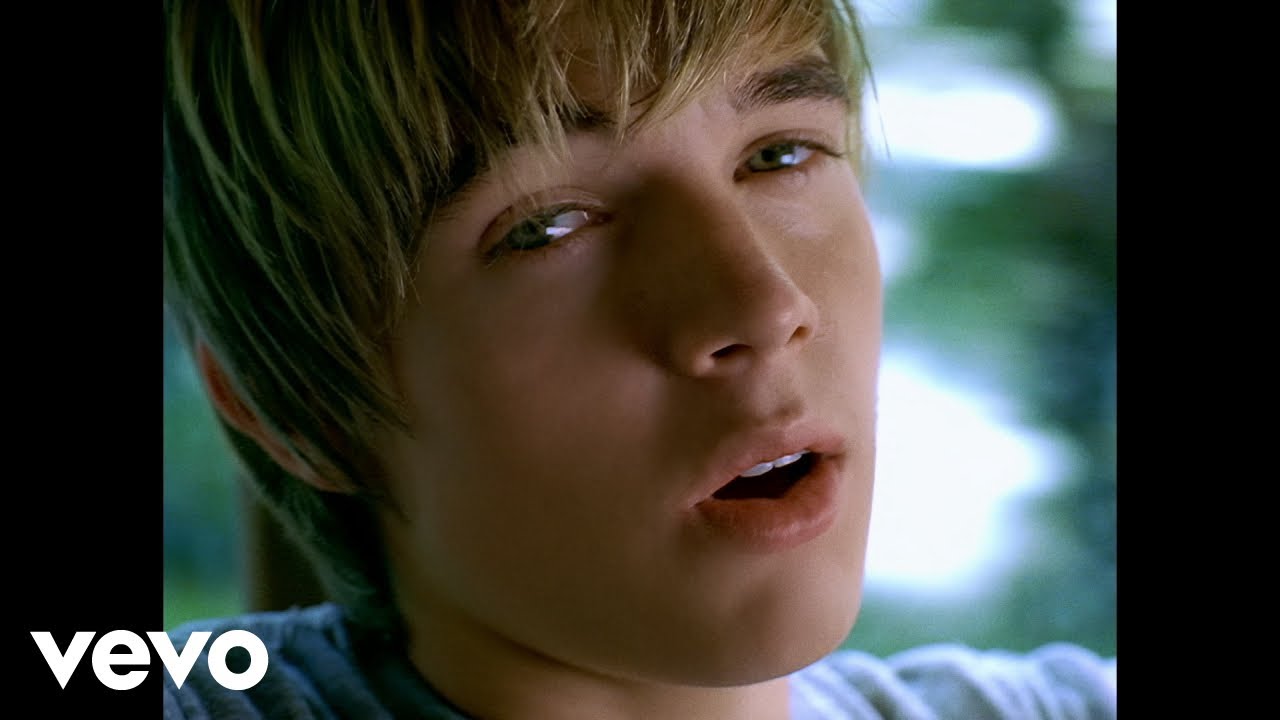
I don't want another pretty face. The blond swoop of hair, the earnest guitar-pop chorus, the song scrawled on a million middle-school binders — Jesse McCartney's debut single was the official crush anthem of 2005.
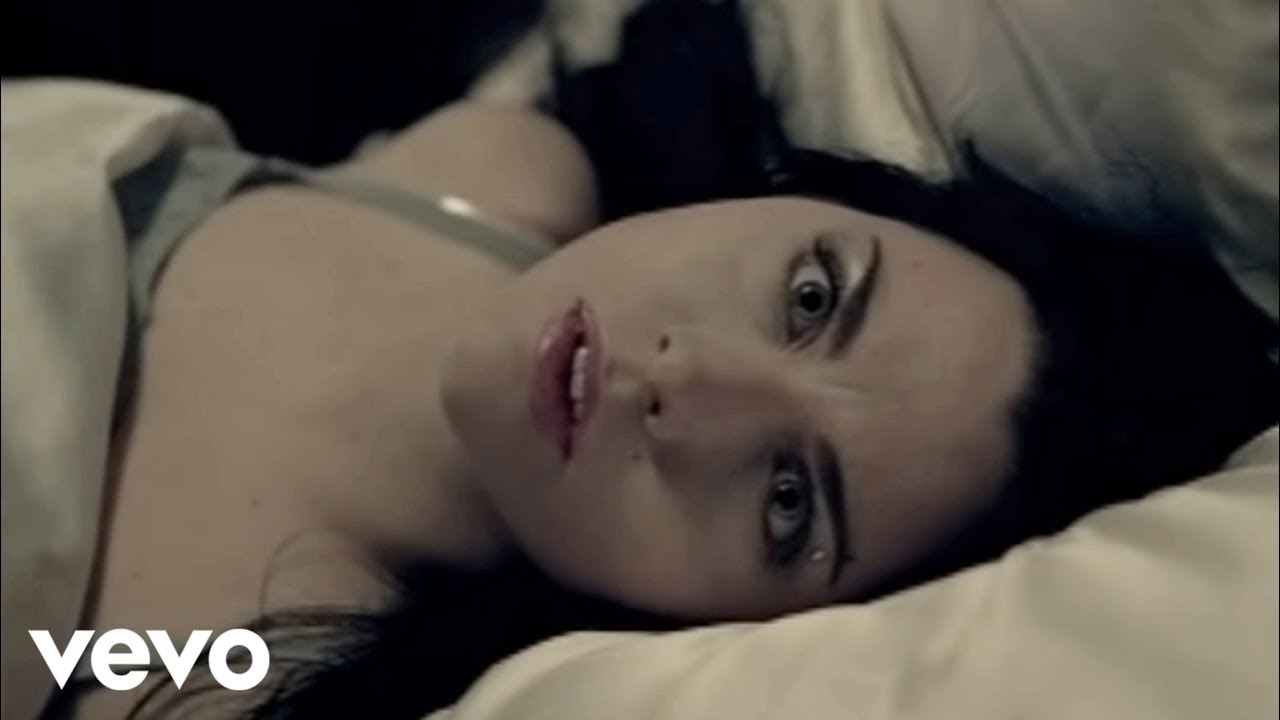
Amy Lee's voice pierces through a dark, orchestral surge; Paul McCoy's shout answers it back. That trade-off — her ethereal plea met by his aggressive roar — became the signature of Evanescence's breakthrough. The song exploded in 2003, hitting #5 in America, #1 in the UK for four weeks, and perfectly captured a moment when goth-tinged rock finally cracked mainstream radio.
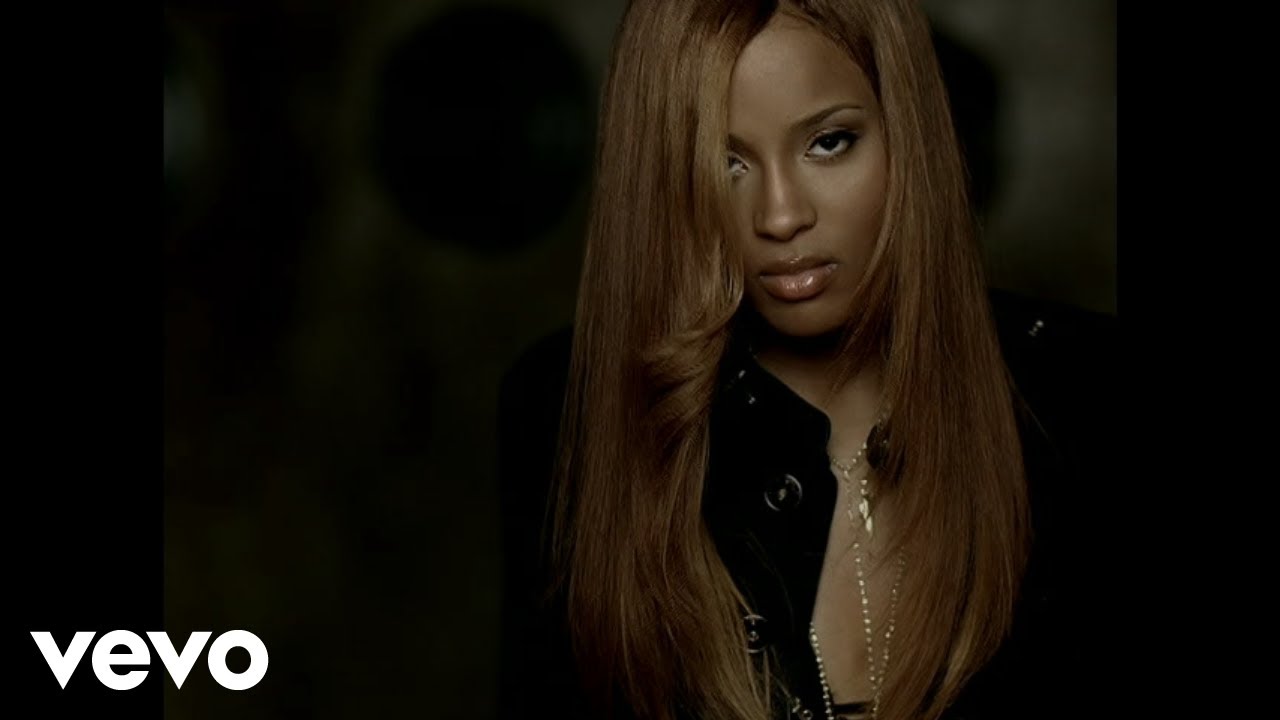
The First Lady of Crunk&B. Ciara arrived in 2004 with "Goodies" and a run of singles that owned school dances for half a decade — icy vocals over crunk beats, and choreography so sharp the music-video channels basically belonged to her.
![Video thumbnail — Missy Elliott - Work It [Official Music Video]](https://i.ytimg.com/vi/cjIvu7e6Wq8/maxresdefault.jpg)
A shape-shifting visionary who moved between producer, rapper, and video icon — the futurist behind "The Rain," "Get Ur Freak On," and "Work It," whose jaw-dropping videos defined how hip-hop looked in the early 2000s. Simultaneously avant-garde and wildly successful.
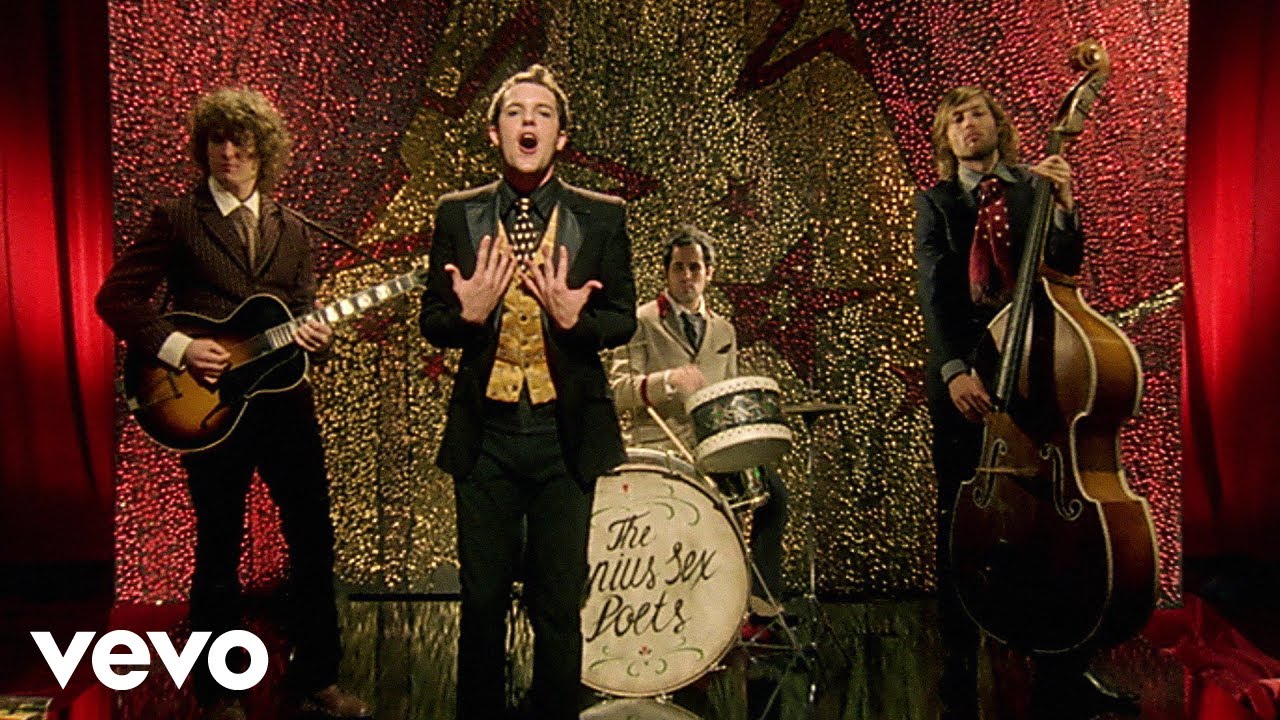
The Killers' debut single — written after Brandon Flowers found his girlfriend in a Las Vegas bar with another man. Released in 2003, it peaked at No. 10 on both the US and UK charts, and then simply never left: by 2026 it had logged more than 500 weeks on the UK singles chart, a communal scream at weddings and stadiums that outlived its own decade.

MTV's 1990s golden era transformed the channel from music-video jukebox into a cultural force, with Total Request Live (TRL), The Real World, Beavis and Butt-Head, MTV Unplugged, and a rotation of music videos that defined the decade's soundtrack. Music Television delivered exactly what it promised: a place where youth culture, music, and rebellion converged on cable.
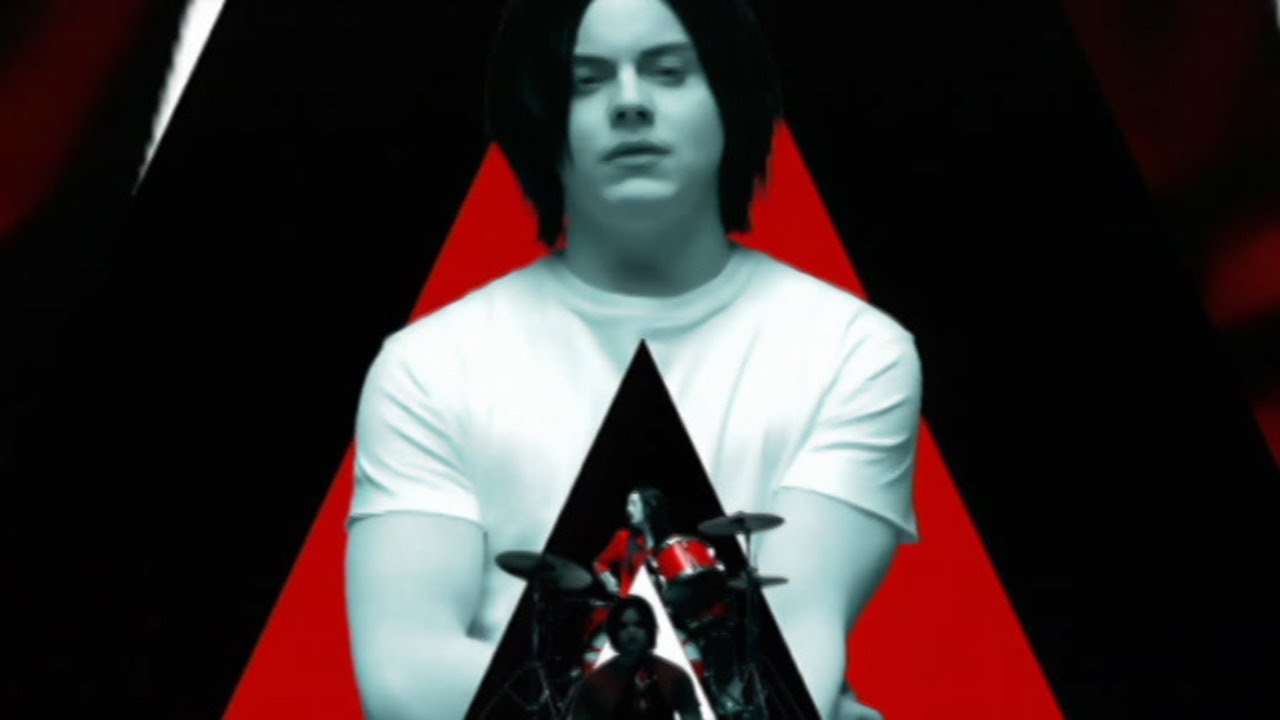
A seven-note riff that sounds exactly like a bass — played by a band with no bassist. "Seven Nation Army" peaked at #76 on the Hot 100, then quietly conquered every stadium on earth. Millions chant it at games today without knowing they're singing The White Stripes.

Somebody once told me — you know the rest. Smash Mouth's 1999 radio staple peaked at #4 on the Hot 100, but immortality arrived in 2001, when it played over Shrek's opening credits and fused itself permanently to a green ogre. The internet did the rest.
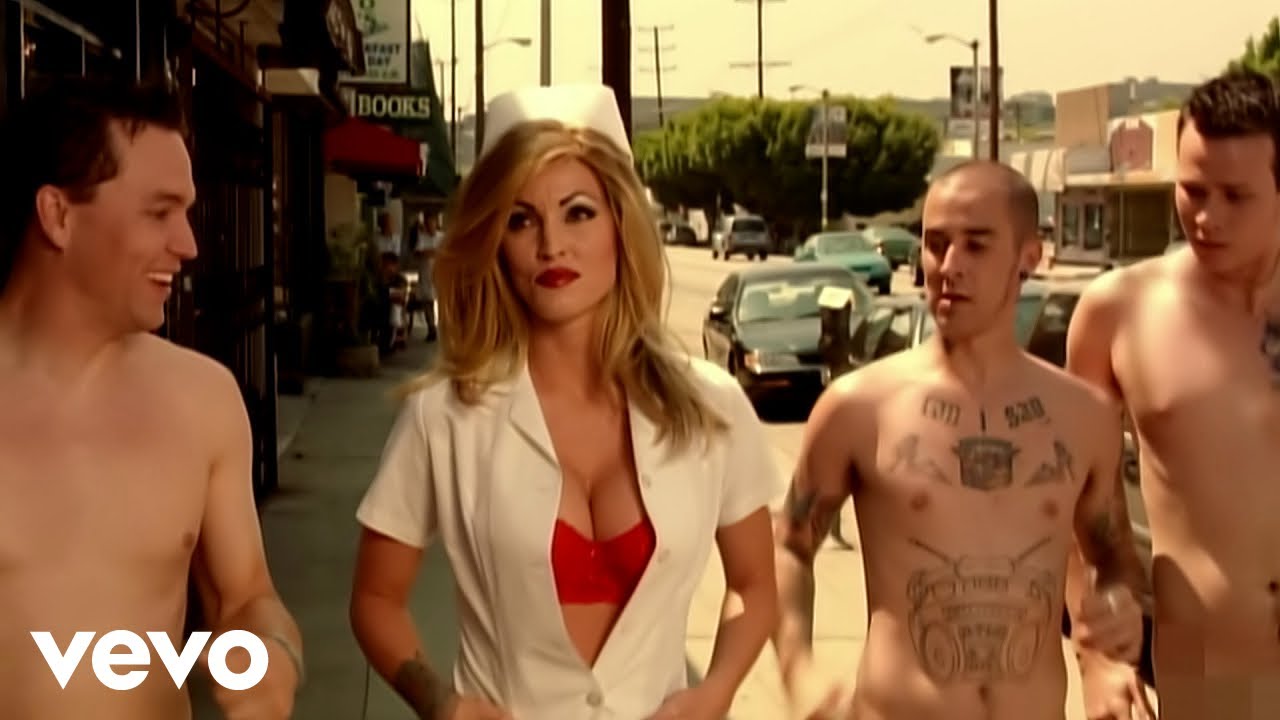
The lead single that announced blink-182 had arrived, with a melody so immediate it felt like it already existed. A five-minute kitchen-floor composition that would define the band and give them their first MTV staple. The line "nobody likes you when you're 23" became the most quotable moment in pop-punk, even though Mark Hoppus was 26 when he wrote it.