Slurpee

The neon slush from the 7-Eleven machine, half drink and half dare: how fast could you pull on the straw before the brain freeze hit? Every summer bike ride to the corner store ended the same way — blue tongue, sticky hands, no regrets.
The Slurpee exists because a soda fountain broke. In the late 1950s, soda-fountain operator Omar Knedlik started stashing bottles of soda in his freezer when his fountain gave out, discovered customers loved them slushy, and went on to invent machines purpose-built to make frozen carbonated drinks. 7-Eleven licensed the technology from The Icee Company in a 1965 agreement — on the conditions that it use a different name and sell the drink only in its own US stores — and began pouring in 1966. The name came from Bob Stanford, a 7-Eleven ad agency director, who coined 'Slurpee' after the sound made when drinking one.
The drink became the convenience store's signature: a wall of humming machines swirling half-frozen slush in flavors from cherry and Coca-Cola to blue raspberry, dispensed by kids into domed cups until the machine sputtered. Early flavor names leaned gloriously weird — Pink Fink, Moonshine, Gully Washer, Redeye — and the ritual never changed across the decades: the too-fast pull on the straw, the stabbing brain freeze, the pledge to sip slower next time, broken within the minute.
For 90s kids it was the taste of an unsupervised summer afternoon, the reward at the end of a bike ride with pocket change. 7-Eleven eventually turned its own address into a holiday: every July 11 — 7/11 — stores give away free Slurpees, originally in a cheeky 7.11-ounce cup. The chain says more than 11.6 million Slurpees are now consumed around the world every day, which works out to an awful lot of brain freeze, willingly repeated.
Similar items
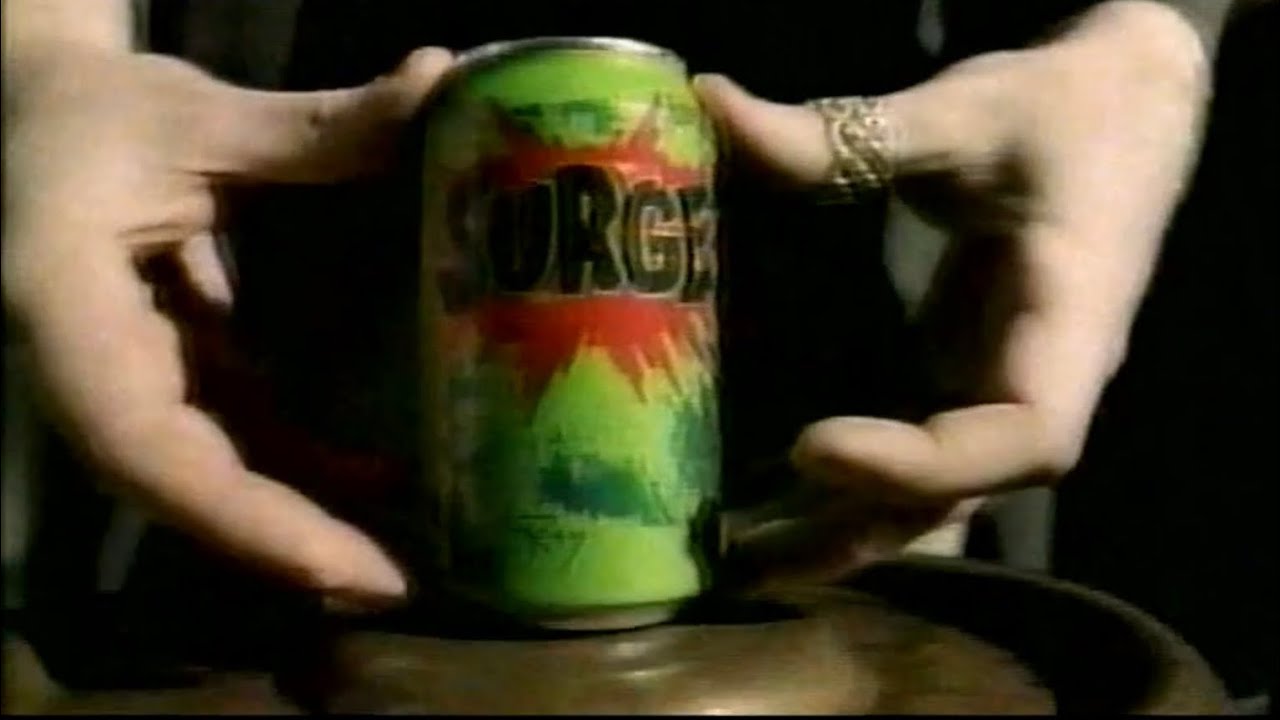
Surge
Coca-Cola's aggressively marketed neon-green citrus soda that positioned itself as the extreme-sports answer to Pepsi's Mountain Dew. Heavy on caffeine and attitude, Surge fueled the mayhem marketing of the late 90s before vanishing from shelves in 2003 — only to surge back after a passionate fan movement brought it to Amazon in 2014.
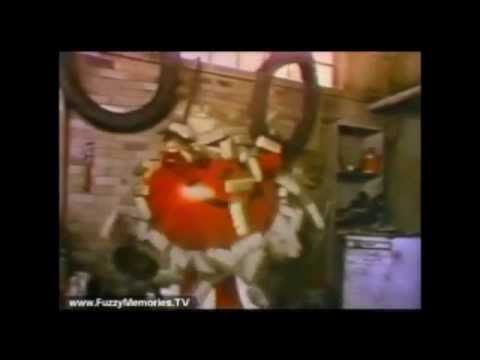
Kool-Aid
A paper packet, a cup of sugar, a pitcher of water — and suddenly it was summer. Then a six-foot pitcher of cherry Kool-Aid exploded through the nearest wall yelling "OH YEAH!" and nobody in the commercial ever questioned it.
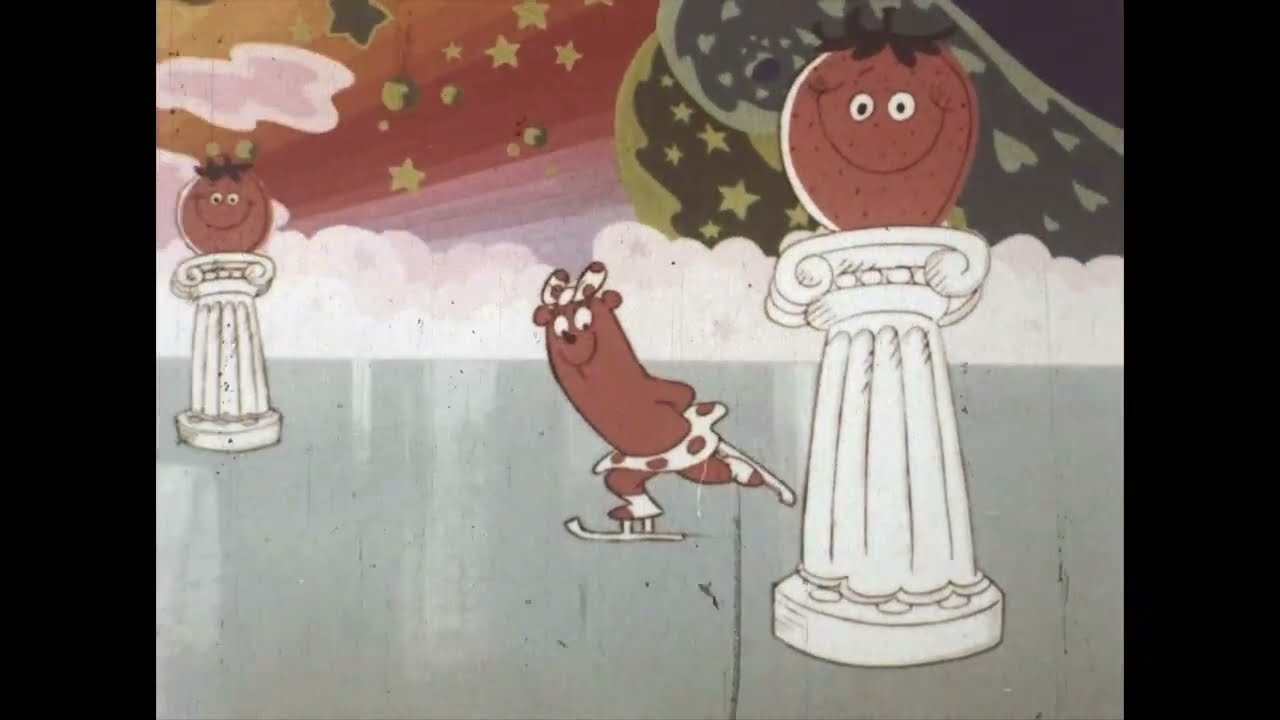
Otter Pops
Neon sugar-water in a plastic sleeve, frozen solid and scissored open by a parent — then argued over by flavor mascot: Louie-Bloo Raspberry, Alexander the Grape, Sir Isaac Lime. The unofficial currency of 90s summer.

Bomb Pop
The red-white-and-blue rocket that turned every kid's tongue tricolor. Born in Kansas City in 1955, the Bomb Pop was the default ice-cream-truck order of a thousand 90s summers — cherry, lime, and blue raspberry stacked in one patriotic missile.