The Pussycat Dolls
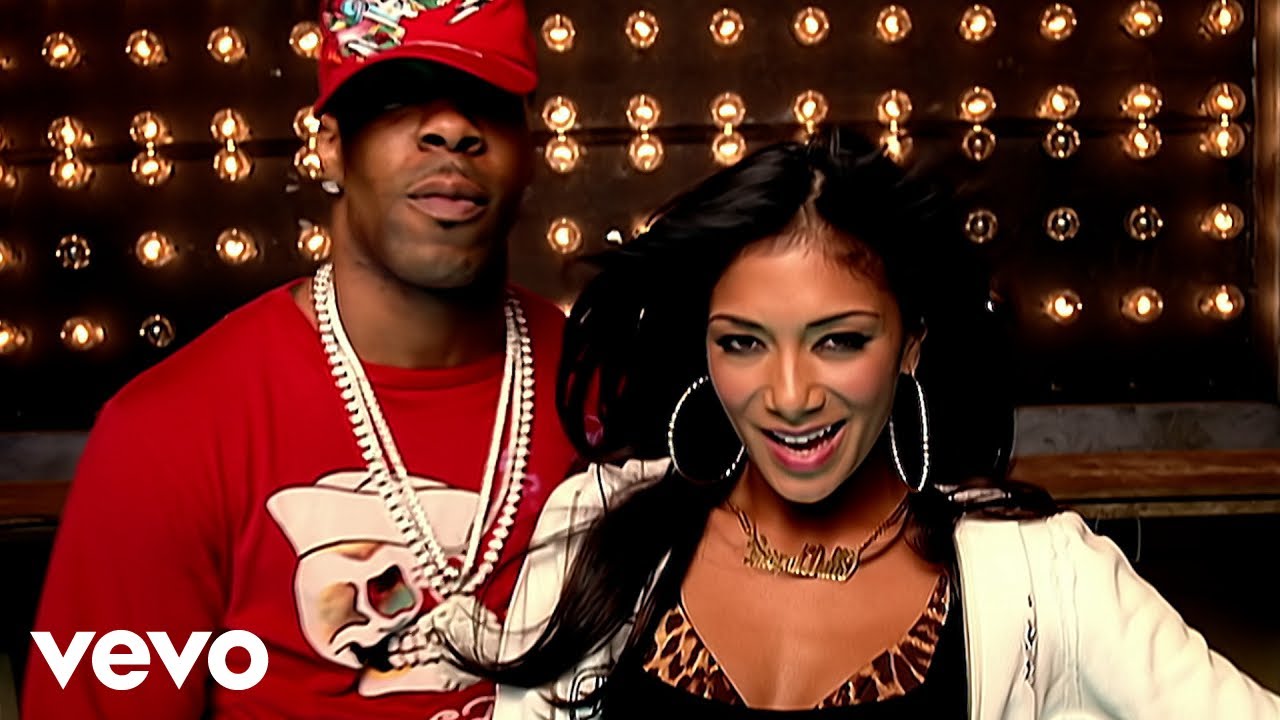
"Don't Cha" wish your girlfriend was hot like them — the question every radio in 2005 asked roughly once an hour. The Pussycat Dolls arrived fully formed in matching choreography and smoky eyeliner, a burlesque act reverse-engineered into a chart juggernaut, with Nicole Scherzinger doing most of the singing and all six doing the strut.
The Pussycat Dolls existed for a decade before they had a hit. Choreographer Robin Antin founded the group in Los Angeles in 1995 as a neo-burlesque troupe, and through a Thursday-night residency at the Viper Room from 1995 to 2001 they became a celebrity playground: Carmen Electra was the troupe's lead performer for many of its shows, and by 2002 the act was famous enough to land a Maxim shoot alongside Christina Applegate and Christina Aguilera. In 2003, at Jimmy Iovine's suggestion, Antin cut a deal with Interscope to rebuild the act as a recording group around Nicole Scherzinger, joined by Carmit Bachar, Ashley Roberts, Jessica Sutta, Melody Thornton, and Kimberly Wyatt.
The rebuild worked instantly. "Don't Cha," the Busta Rhymes-assisted single from 2005's PCD, hit number two on the Billboard Hot 100 and number one across much of the world; the ballad "Stickwitu" reached number five and earned a Grammy nomination, and "Buttons" made it to number three. PCD sold three million copies in the United States, the choreography colonized every school dance and MTV countdown, and the Dolls became the look of mid-2000s pop — all winged eyeliner and synchronized hair flips. Doll Domination followed in 2008 with "When I Grow Up," a number-nine hit powered by one of the decade's most misheard choruses.
The machinery behind the glamour was less harmonious. Scherzinger later said — and a Behind the Music special confirmed — that she recorded the lead and background vocals on both albums nearly alone, and tensions over billing helped pull the group apart by 2010. A 2019 reunion was announced and then scrapped amid legal disputes and pandemic delays, leaving the Dolls preserved exactly where the 2000s left them: mid-strut, asking a question nobody's girlfriend could win.
Similar items
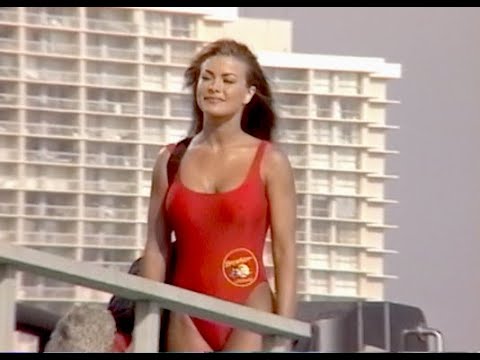
Carmen Electra
The Prince protégée who became the late-90s everywhere-woman: Playboy covers, Baywatch's Lani McKenzie, MTV's Singled Out, and a Las Vegas wedding to Dennis Rodman that hit annulment papers nine days later. Then the 2000s spoof-movie wave made her its favorite good sport.
![Video thumbnail — Busta Rhymes - Woo-Hah!! Got You All In Check (Official Video) [Explicit]](https://i.ytimg.com/vi/EQzvQO2LcA4/maxresdefault.jpg)
Busta Rhymes
The human cartoon of 90s rap—hip-hop's most watchable man, a blur of dreadlocks and rubbery limbs who moved like he was made of springs. Trevor Smith stole posse cuts for a living and built a solo career on being impossible to look away from.
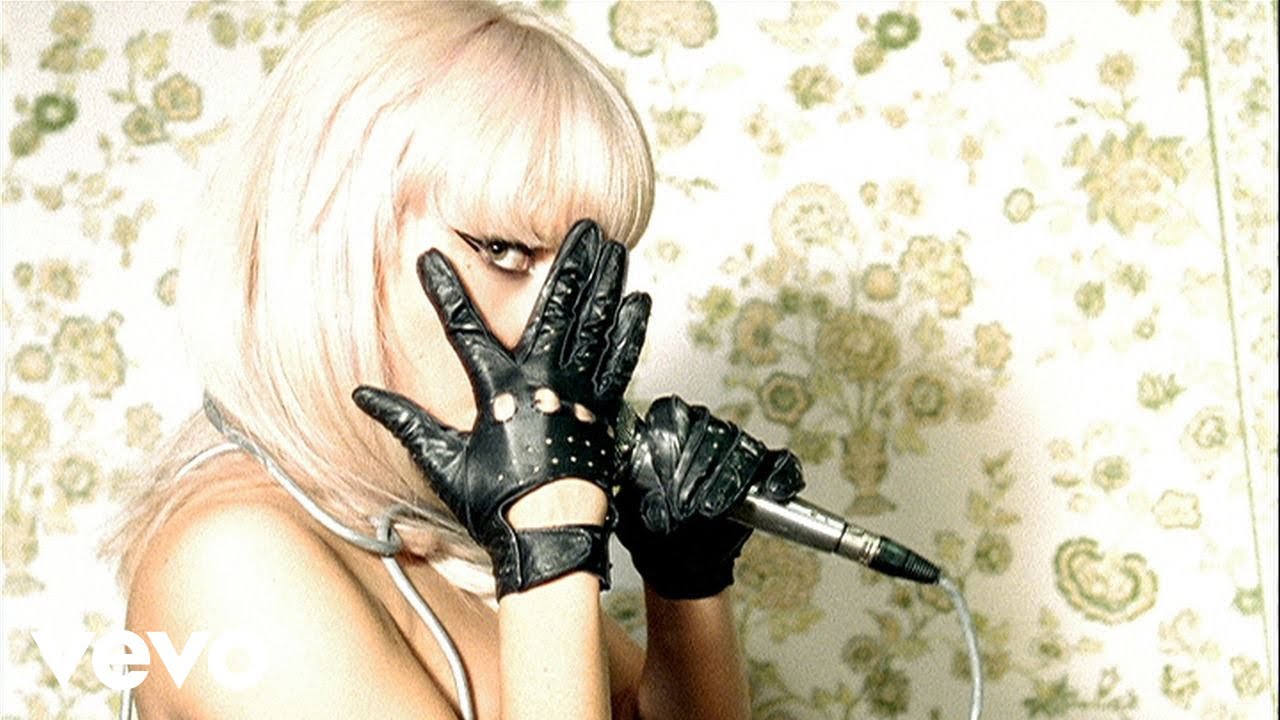
Lady Gaga
A New York songwriter who wrote for Britney and the Pussycat Dolls — and got dropped by Def Jam — reinvented herself as Lady Gaga and detonated across 2008–09. The Fame sent "Just Dance" and "Poker Face" to #1, and within a year she'd gone from songwriter-for-hire to the sound of pop.
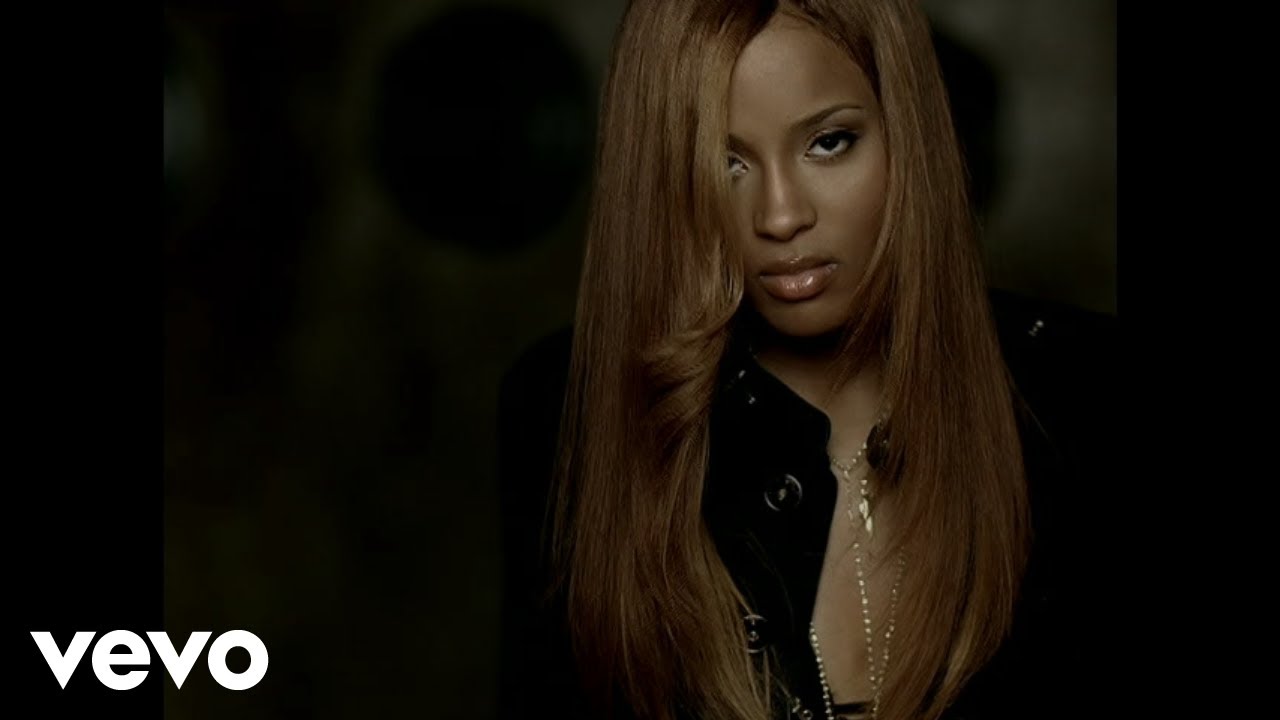
Ciara
The First Lady of Crunk&B. Ciara arrived in 2004 with "Goodies" and a run of singles that owned school dances for half a decade — icy vocals over crunk beats, and choreography so sharp the music-video channels basically belonged to her.